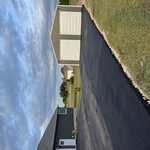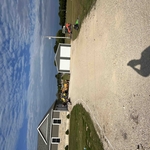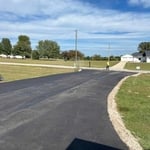



Top-rated asphalt driveway pros.

Get matched with top asphalt driveway pros in Salem, MO

Enter your zip and get matched with up to 5 pros

Need a pro for your asphalt driveway service project in Salem, MO?

Select your specific project to find the pro for you.

Find Asphalt driveway pros in Salem

Ozark Great Construction
5.0(
1
)
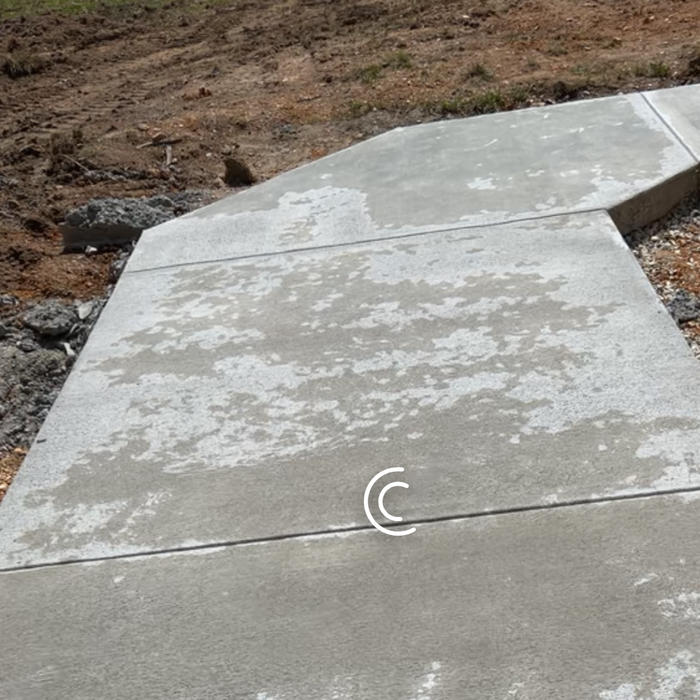
Concrete Driveways & Floors - Install- For Business
Serving Salem, MO and surrounding areas

Approved

In business since 2021

Free estimates

Offers commercial services

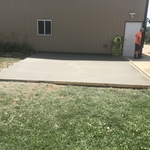
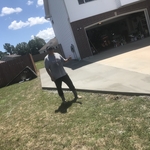
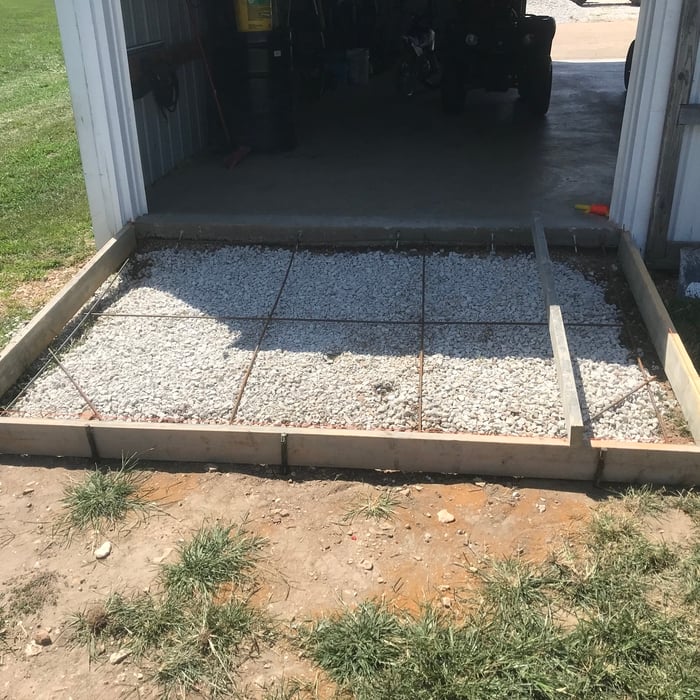
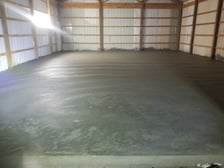
Welcome to Ozark Great Construction! We take pride in the quality of work and customer satisfaction that we give each and every customer! We are known to pay exquisite attention to detail while making customer satisfaction our top priority. Call us today to learn more about how we can help you!

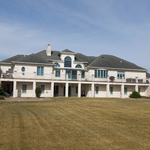
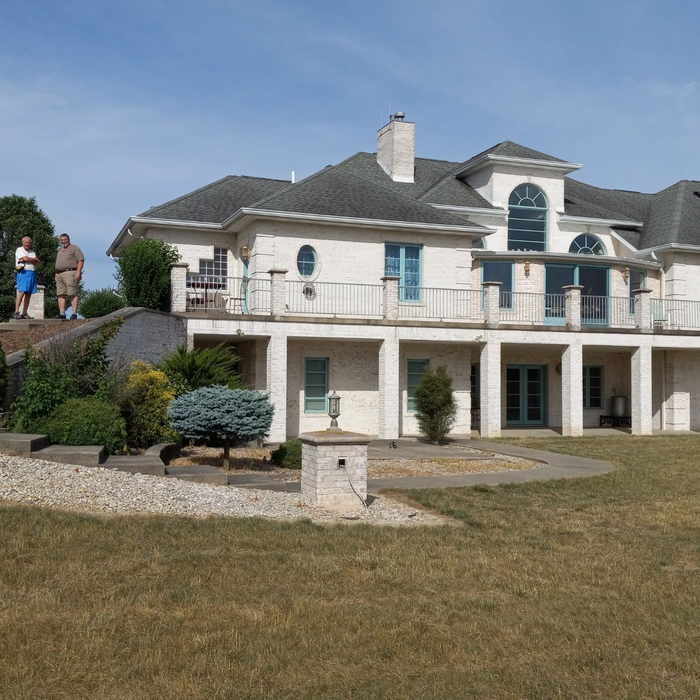
Custom Built Home
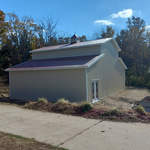
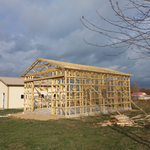
Outbuilding
Shed Before
Custom Built Home
Custom Built Home

+5

Response time2 days
Recommended by100%of homeowners
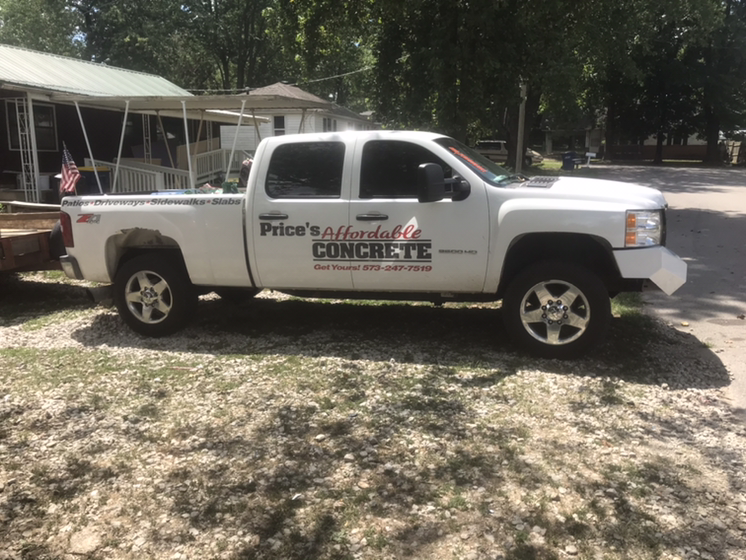
Avatar for Hutto Concrete and Land Specialties
Hutto Concrete and Land Specialties
5.0(
5
)
Concrete Driveways & Floors - Install- For BusinessConcrete Driveways - Install

Serving Salem, MO and surrounding areas

In business since 2021

Free estimates

Offers commercial services

"Levi was very responsive to my questions and listened to what I wanted done. He understood the design idea I had for my patios and exceeded my expectations! He was prompt and completed my project quicker than he expected too. I would recommend him to anyone looking for concrete services."
Additional Photos
Additional Photos
Additional Photos
Additional Photos
Additional Photos

+5

Response time3 days
Response rate100%
Recommended by100%of homeowners
Showing 1-10 of 50
Asphalt Driveways questions, answered by experts

Asphalt and tarmac are not the same thing. Traditional tarmac, short for tarmacadam, uses tar as a binder to hold crushed stone together. Asphalt uses bitumen—a byproduct of crude oil—to bind aggregate. Though tarmac was once a go-to for roads, asphalt has become the modern standard. And these days, most surfaces referred to as “tarmac” are actually asphalt. So, while the names may overlap, the key distinction lies in the binder—tar for tarmac and bitumen for asphalt.

Yes, a paved or repaved driveway can boost your home's value by increasing its curb appeal and the functionality of your outdoor space. A new driveway can add anywhere from $5,000 to $20,000 to a property's value. An old, crumbling driveway can be a red flag for potential buyers and inspectors.

The amount of value added depends on the materials used, the design, and local market conditions. Concrete is often cited as adding the most value due to its long lifespan, though asphalt may be more desirable in colder climates. The return on investment is greatest when replacing a driveway that is in poor condition; repaving a driveway that is already in good shape will not yield as significant an increase in value.

New asphalt goes through two stages: drying and curing. Drying typically takes 24 to 72 hours, after which the surface is solid enough for light use like walking or careful driving. While you may be able to park on it after 72 hours, the surface is still soft and should be treated gently. Full curing is a much longer process, taking anywhere from 30 days to a full year for the asphalt to reach maximum strength. During this extended curing period, the asphalt is susceptible to damage from heavy vehicles, sharp objects, and high temperatures. Factors like weather, the specific asphalt mix, and application thickness all influence drying and curing times. For the most accurate timeline and to ensure the longevity of your new asphalt, it is always best to consult with your installation contractor for their specific recommendations.

Asphalt edging secures the sides of your driveway to prevent crumbling and cracking over time. Most driveways have edges with a 45-degree grading. This helps transfer some of the stress from the asphalt to the ground underneath. If your driveway doesn’t have proper edging, the pressure from your car may break down the edges over time.

Your city or county will have guidelines about the minimum and maximum width and length of private roads. The average private road is 12 feet wide, and length, of course, depends on your property. Requirements also depend on the amount of traffic and types of vehicles your road experiences. Check with local ordinances before planning a road on your property.

The Salem, MO homeowners’ guide to asphalt driveway services

From average costs to expert advice, get all the answers you need to get your job done.