




Top-rated asphalt driveway pros.

Get matched with top asphalt driveway pros in Ellsinore, MO

Enter your zip and get matched with up to 5 pros

Need a pro for your asphalt driveway service project in Ellsinore, MO?

Select your specific project to find the pro for you.

Find Asphalt driveway pros in Ellsinore

Avatar for Mays Excavating
Mays Excavating
5.0(
3
)

Serving Ellsinore, MO and surrounding areas

In business since 2023

Free estimates

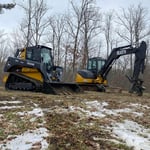
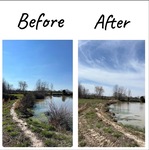
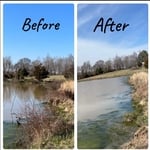
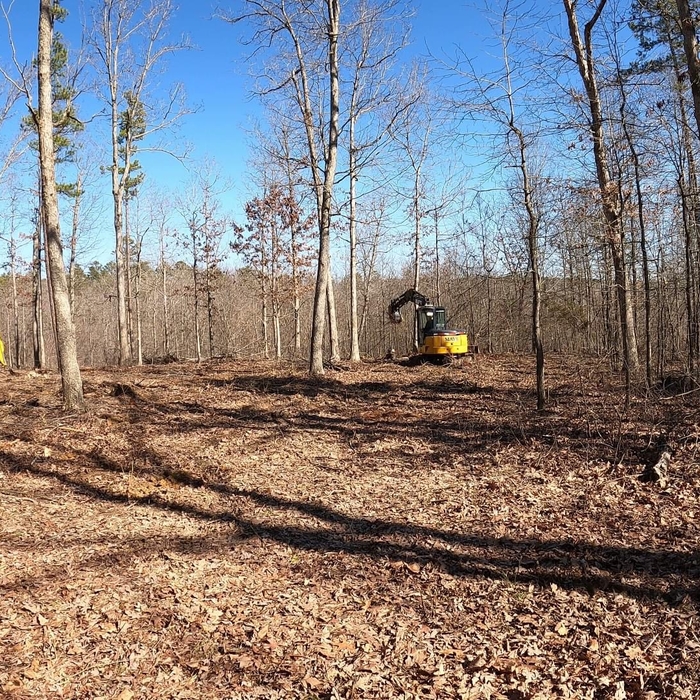
"Ben and his team were top-notch. They went above and beyond the scope of the project, removing heavy brush and clearing a road to grade with the correct slope for water runoff. I will hire them again."
Equipment
Befor/After
Before/After
Before
After

+1

Response time11 hrs
6 neighbors recently requested a quote
Recommended by66%of homeowners
Longhibler & Sons
3.6(
5
)

Serving Ellsinore, MO and surrounding areas

In business since 2016

Free estimates

Longhibler & Sons is committed to excellence in every aspect of our business. We uphold a standard of integrity bound by fairness, honesty and personal responsibility. Our distinction is the quality of service we bring to our customers. Accurate knowledge of our trade, combined with ability, is what makes us true professionals. Above all, we are watchful of our customers interests and make their concerns the basis of our business.

Response time5 days
Recommended by80%of homeowners
Showing 1-10 of 30
Asphalt Driveways questions, answered by experts

Asphalt and tarmac are not the same thing. Traditional tarmac, short for tarmacadam, uses tar as a binder to hold crushed stone together. Asphalt uses bitumen—a byproduct of crude oil—to bind aggregate. Though tarmac was once a go-to for roads, asphalt has become the modern standard. And these days, most surfaces referred to as “tarmac” are actually asphalt. So, while the names may overlap, the key distinction lies in the binder—tar for tarmac and bitumen for asphalt.

The choice between asphalt and concrete depends on your priorities, budget, and climate.

Concrete is generally more durable, lasting up to 50 years with minimal upkeep, and offers more customization options like staining and stamping, which can add more to a home's value. However, it is more expensive upfront and can be prone to cracking in cold climates where water can freeze and expand.

Asphalt is typically cheaper and quicker to install and is easier to repair. It performs better in colder climates. However, it requires more maintenance, including regular resealing, has a shorter lifespan, and can get hot and sticky in intense sunlight.

Ultimately, if durability and long-term value are key, concrete is often the better choice. If upfront cost and performance in cold weather are more important, asphalt may be preferable.

Cobblestone is just one of many driveway materials. Other, more economical, albeit less elaborate options include concrete, asphalt, and gravel. 

If you want a material that most closely resembles cobblestone, your best option is bricks or pavers. Both cost anywhere from $10 to $50 per square foot and can be laid in all kinds of patterns. Depending on the type of paver you choose, you can also get a good bang for your buck by investing in durable natural stone.

When hiring an asphalt paving contractor to install your driveway, ask as many questions up front as possible. Here are a few questions to ask a prospective driveway contractor:

  • How many years of experience do you have?

  • Are you licensed, bonded, and insured?

  • Do you have worker’s compensation?

  • Do you use subcontractors on your projects?

  • Do you clean up after the job is done?

  • Who is responsible for any damage to lawn or landscaping?

  • Do you provide a guarantee or warranty on your work?

  • Do you give free estimates?

  • What is the timeline for completion?

  • How do you handle change orders?

  • Can you provide at least three references?

  • Can I see some of the work you’ve done?

Even with regular maintenance, most driveways don’t last much longer than 30 years. Alligator cracking is a clear warning sign that your driveway’s foundation is failing, and cracks that are deep and wide can let water in, causing more damage. Standing water is another red flag. If your driveway doesn’t drain properly, it’s going to degrade slowly. Finally, if you’re seeing dips or uneven patches, that’s a sign the base layer or soil is shifting. If these issues pop up, it’s time to replace your driveway.

The Ellsinore, MO homeowners’ guide to asphalt driveway services

From average costs to expert advice, get all the answers you need to get your job done.