





Top-rated arborists.

Get matched with top arborists in Valles Mines, MO

Enter your zip and get matched with up to 5 pros

Need a pro for your arboricultural service project in Valles Mines, MO?

Select your specific project to find the pro for you.

TRUSTED BY VALLES MINES, MO HOMEOWNERS

  • Average homeowner rating star icon4.7
    Average homeowner rating
  • Verified reviews icon221
    Verified arboricultural services reviews

Find Arborists in Valles Mines

Avatar for Tree Master
Tree Master
5.0(
7
)
Tree RemovalTree Stump - RemoveTree Removal - For Business+5 more

Serving Valles Mines, MO and surrounding areas

Approved

Super Service Award Winner

In business since 2019

Free estimates

Customers say: True professional

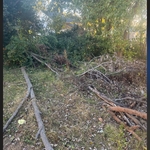
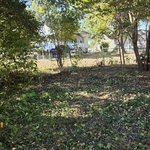
"Great work completely all the way. Perfect clean up. I believe my yard looks way better now than before they started the job. Excellent service and knowledge for the work and I believe I'm calling them 1st for any outdoor work in the future. Will be calling back for any season work I can't do myself outside."
Additional Photos
Additional Photos
Additional Photos
Additional Photos
Additional Photos

+2

Response time2 days
Response rate100%
3 neighbors recently requested a quote
Avatar for R & B Tree Service & Landscaping, LLC
R & B Tree Service & Landscaping, LLC
4.4(
196
)
Tree RemovalTree Removal - For BusinessTree Trimming+1 more

Serving Valles Mines, MO and surrounding areas

In business since 2009

Credit card accepted

"They were awesome. they removed 3 large tree's a number of shrubs and trimmed an oak tree to remove dead limbs. They also worked with us on special requests with the stumps from the tree's we had we would use them again. Great Job Randy and Team."
Response time2 days
Recommended by94%of homeowners
Avatar for J & D FORESTRY SERVICES LLC
J & D FORESTRY SERVICES LLC
5.0(
9
)
Tree Stump - Remove

Serving Valles Mines, MO and surrounding areas

In business since 2025

Free estimates

"From start to finish the guys from J & D Forestry were great to work with. I first called them asking them to give me a quote for some land clearing for a future shed I was going to build. Devin came out same day and provided me with a more than reasonable quote. I moved forward right then and there. The crew showed up within the next couple of days to knock out the job. Their equipment was clean and well taken care of, the work performed was professional and executed exactly how we discussed. I couldn’t have asked for a better job from J&D Forestry. By far the best forestry company I’ve dealt with and highly recommend these guys."
Response time4 hrs
Response rate90%
...
Showing 1-10 of 105
Arborists questions, answered by experts

The lifespan of a bird's nest depends on the species. The building process can take from two days to three weeks. Once built, the nesting period for baby birds can last from two to ten weeks before they leave the nest. While most young birds are ready in two to six weeks, some predatory species may need up to two and a half months. Some species nest four to five times per year, so a nest could remain in use for several months. For specific information about a particular nest's longevity, it is best to consult a wildlife professional.

Deciduous shade trees (the type of trees whose leaves fall off in autumn) need to be pruned in late winter—between February and March. That’s because it’s easier to find and remove sick or dead branches when no leaves are present. And wounds close and heal faster in colder temperatures so pruning them at this time also makes them less prone to infection.

You should avoid cutting off the top of mature cherry trees. This process is called tree topping, and it’s not recommended for cherry trees—or any trees, for that matter. Tree topping removes between one-third to half of the length of the tree trunk, resulting in structurally unsound, fruitless suckers. The only exception is for saplings. Young pie, sour, and tart cherry trees that are over 30 inches tall in the fall or winter before the tree blooms can benefit from heading cuts.

Trees should be pruned every two to five years, depending on its age and type. Young trees should be inspected and pruned every two to three years. Mature trees should be inspected and trimmed every three to five years, and fruit trees should be pruned annually with a careful eye on seasonal growth. Evergreens typically don’t need pruning, unless branches or limbs are damaged, diseased, or harboring pests.

It’s not as common for Dutch elm disease to affect other types of trees, especially if the surrounding trees aren’t elms. However, it is possible for DED to spread to other trees, particularly in northern states, like Minnesota. In fact, it’s a good idea to use geography to identify wood and determine which types of trees are in your yard. 

Unfortunately, the complex and shallow root system of elm trees makes surrounding elm trees particularly vulnerable to DED. Early discovery is key!

The Valles Mines, MO homeowners’ guide to arboricultural services

From average costs to expert advice, get all the answers you need to get your job done.