



Top-rated arborists.

Best arborists near Princeton, MO

Enter your zip and get matched with up to 5 pros

Need a pro for your arboricultural service project in Princeton, MO?

Select your specific project to find the pro for you.

Top-Rated Arborists in Princeton - Updated Nov 2026

Avatar for Shanes Tree Service
Shanes Tree Service
5.0(
10
)
Tree TrimmingTree RemovalTree Removal - For Business+5 more

Serving Princeton, MO and surrounding areas

Approved

In business since 2024

Free estimates

Emergency services offered

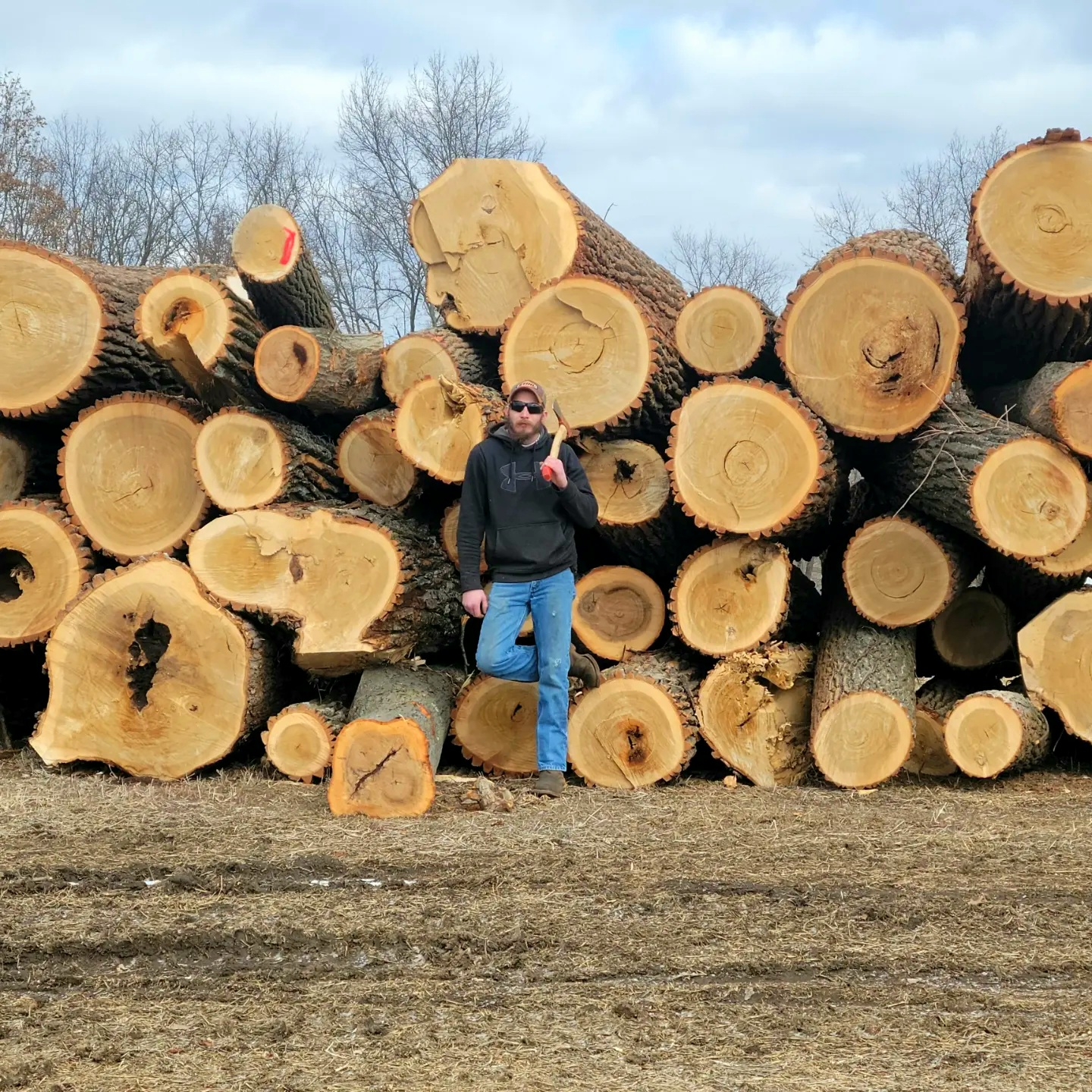
"I needed 2 trees cut down because I was concerned they would fall on my house or the neighbors. He was on time, was very calm and patient with one of my neighbors. The trees were cut down and all the debris cleaned up. He even cut up the large tree that was still lying in my yard and stacked the logs. He and his crew were great and I would highly recommend him!"
Additional Photos
Additional Photos
Additional Photos
Additional Photos
Additional Photos

+7

Response time1 day
Response rate100%
1 neighbors recently requested a quote
Avatar for K&S Quality Landscape & Tree Care LLC
K&S Quality Landscape & Tree Care LLC
4.9(
10
)
Tree TrimmingTree RemovalTree Removal - For Business+3 more

Serving Princeton, MO and surrounding areas

Approved

Free estimates

Emergency services offered

Small jobs welcome

"They arrived on time, did the job and cleaned up all the tree branches and leaves, taking them with them. The company owner was a little over anxious in wanting to increase the amount of work they were preforming to get more money for the day. The only real issue was the owner came and went and a limb was dropped on one of my fences, but there was little damage. I would suggest that his employees pick up after themselves, I picked up four water bottles and a big gulp cup scattered around my yard. I recommended this company to my neighbor who also had some work done."
19 neighbors recently requested a quote
New Breed Services
New to Angi
Tree RemovalTree Stump - RemoveTree Trimming

Serving Princeton, MO and surrounding areas

Approved

In business since 2018

Free estimates

Credit card accepted

New Breed Services is committed to excellence in every aspect of our business. We uphold a standard of integrity bound by fairness, honesty, and personal responsibility. Our distinction is the quality of service we bring to our customers. Accurate knowledge of our trade, combined with ability, is what makes us true professionals. Above all, we are watchful of our customers' interests, and make their concerns the basis of our business.

Response time10 mins
Showing 1-10 of 24
Arborists FAQs, answered by experts

You need to remove all branches affected by Dutch elm disease. If your tree has several affected branches, you will probably need to remove the entire tree. First, consult a pro to be sure that you’ve correctly identified it as an elm tree. Make sure the tree is properly disposed of with a plastic covering or through debarking, chipping, or burning.

As a general rule, the protected area should be about 1½ times as wide as the canopy of the tree’s leaves. This digging measurement can vary by tree species and the age of the tree. Of course, that can be a lot of fencing for larger trees, which is why our first step is about making difficult decisions on which trees to save.

There are a few instances in which removing a tree is the best option. You might do this if the tree looks to be a major danger—potentially falling onto your home, your car, or other parts of your property—or it’s diseased beyond repair. A tree that is growing too close to your house might need to be removed to prevent mold growth.

Trees aren't big fans of moving, and they do go into shock during a transplant. Although most carefully thought-out tree transplants see the tree recover from the shock just fine, there is always a risk of having an unsuccessful move. Proper preparation, timing, and diligent aftercare are crucial to minimize the risks when transplanting a tree.

Light-bark trees are most notorious for producing lots of sap when wounded. These varieties include maples, birches, poplars, dogwoods, magnolias, and elms, and they will bleed more when the trees are dormant. That’s why it’s a good idea to prune them in the summer months rather than waiting until winter.

The Princeton, MO homeowners’ guide to arboricultural services

From average costs to expert advice, get all the answers you need to get your job done.