



Top-rated landscapers.

Get matched with top landscapers in Princeton, MO

Enter your zip and get matched with up to 5 pros

Need a pro for your landscaping project in Princeton, MO?

Select your specific project to find the pro for you.

Find Landscapers in Princeton

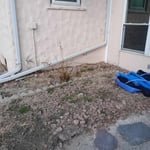
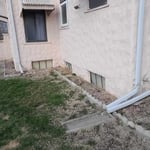
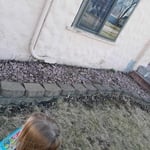
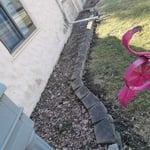
New Breed Services
New to Angi
Designer - LandscapeLandscape Curbing - InstallLawn & Yard Waste Clean Up+1 more

Serving Princeton, MO and surrounding areas

Approved

In business since 2018

Free estimates

Credit card accepted

New Breed Services is committed to excellence in every aspect of our business. We uphold a standard of integrity bound by fairness, honesty, and personal responsibility. Our distinction is the quality of service we bring to our customers. Accurate knowledge of our trade, combined with ability, is what makes us true professionals. Above all, we are watchful of our customers' interests, and make their concerns the basis of our business.

Response time10 mins
Showing 1-10 of 44
Landscaping questions, answered by experts

The average cost for landscaping is around $3,500, but prices can range from as low as $200 for simple DIY projects to $14,000 or more for extensive work. Several factors influence the final price, including your geographic location, yard size, project scope, chosen materials, site preparation, and the type of landscaping involved. Professional landscaper labor costs typically range from $50 to $100 per hour.

For a smaller budget, you can focus on softscaping projects like adding mulch, flowers, and shrubs, which might only cost a few hundred dollars if you do the work yourself. A budget of around $5,000 could cover projects like a simple patio, new plants and tree trimming, or a water feature. More extensive hardscaping projects, such as pergolas, patios, and walkways, can push the budget to $14,000 or more. For example, a flower bed installation averages between $800 and $3,000, while landscape lighting installation can cost from $2,000 to $6,000.

It depends. Smaller, younger trees take longer to mature, but they're more resilient, their roots don't get as damaged during transplanting, and they recover faster. Plus, they're much more affordable to plant, and it's possible to DIY the planting. 

On the other hand, mature trees produce fruit faster and provide more shade and privacy immediately. Ideally, a small or medium tree is the better choice if you can wait a few years for it to mature. But if you need immediate maturity, a larger tree is the only option.

Yes, you can landscape in the rain, but you should take some precautions to keep yourself and your tools safe. Avoid using electric landscaping tools during rainfall, and don’t mow, thatch, aerate, or rake in the rain, as your tools can more easily tear out roots in the loose soil. Be careful when working on wet grass, and take your time to avoid slipping. Avoid putting in new plants before a particularly bad storm, as heavy rain and strong winds can damage or uproot plants that aren’t yet established.

The duration of a lakefront landscaping project is determined by its scope, environmental conditions, and weather impacts. It often takes several weeks to a few months to complete.

In addition to aloe vera and lilac, other effective humidity-reducing plants include peace lilies, Boston ferns, English ivy, spider plants, and lucky bamboo. These plants thrive in humid environments and can naturally lower moisture levels. Place them in areas prone to dampness for the best results.

The Princeton, MO homeowners’ guide to landscaping services

From average costs to expert advice, get all the answers you need to get your job done.