





Top-rated arborists.

Get matched with top arborists in Maysville, MO

Enter your zip and get matched with up to 5 pros

Need a pro for your arboricultural service project in Maysville, MO?

Select your specific project to find the pro for you.

TRUSTED BY MAYSVILLE, MO HOMEOWNERS

  • Average homeowner rating star icon4.8
    Average homeowner rating
  • Verified reviews icon11
    Verified arboricultural services reviews

Find Arborists in Maysville

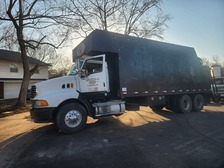
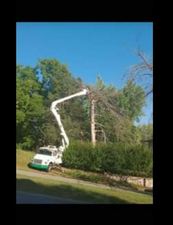
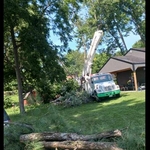
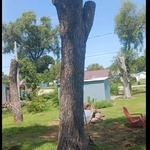
FRAZER'S TREE SVC
4.3(
11
)
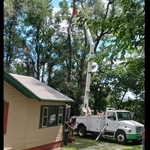
Tree Stump - RemoveTree RemovalTree Removal - For Business+5 more

Serving Maysville, MO and surrounding areas

Approved

Customers say: True professional

"

Was a slight delay because of bad weather but very prompt as soon as the weather permitted. I felt it was a little pricey but they

did quality work for their money. Owners and workers were professional and courteous. Would use them again if needed.


"
1 neighbors recently requested a quote
Recommended by100%of homeowners
Showing 1-10 of 40
Arborists questions, answered by experts

You can use a felling ax to chop down a tree by following the same prep and steps as a chainsaw, but be prepared to use some muscle. For trees bigger than 7 inches in diameter, it can take some time and serious strength to cut down a tree using just an ax. 

We don’t recommend DIY tree trimming for a few different reasons. First, the tools required to trim a tree can be costly, up to $1,100 or more, for the ladders and specialized saws needed. 

Safety is another concern, especially when working with more mature trees. As a guideline, you should only DIY tree trimming when branches are less than two inches in diameter. Any more, and the safety risk becomes too high, which could lead to catastrophe. For this job, it’s safest to let a tree-trimming professional assess the work needed.

You should avoid cutting off the top of mature cherry trees. This process is called tree topping, and it’s not recommended for cherry trees—or any trees, for that matter. Tree topping removes between one-third to half of the length of the tree trunk, resulting in structurally unsound, fruitless suckers. The only exception is for saplings. Young pie, sour, and tart cherry trees that are over 30 inches tall in the fall or winter before the tree blooms can benefit from heading cuts.

Carefully pruning small roots no thicker than three inches in diameter won’t harm the tree. However, cutting larger roots may impact the tree's stability and nutrient absorption. It's advisable to consult an arborist or tree care professional to evaluate the root's size, the tree's health, and the potential impact of cutting. Proper tree pruning techniques and timing can minimize damage, but larger root removal may necessitate expert guidance to avoid compromising the tree's overall health and stability.

It depends. Smaller, younger trees take longer to mature, but they're more resilient, their roots don't get as damaged during transplanting, and they recover faster. Plus, they're much more affordable to plant, and it's possible to DIY the planting. 

On the other hand, mature trees produce fruit faster and provide more shade and privacy immediately. Ideally, a small or medium tree is the better choice if you can wait a few years for it to mature. But if you need immediate maturity, a larger tree is the only option.

The Maysville, MO homeowners’ guide to arboricultural services

From average costs to expert advice, get all the answers you need to get your job done.