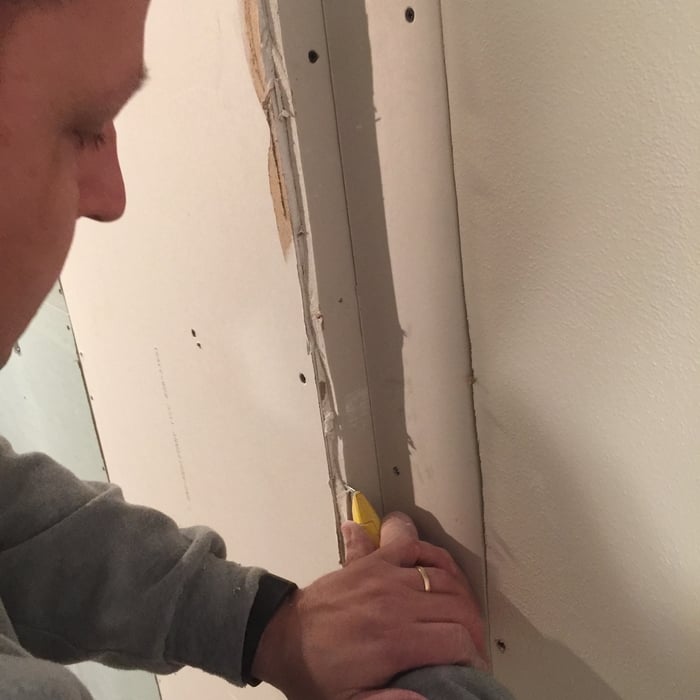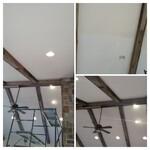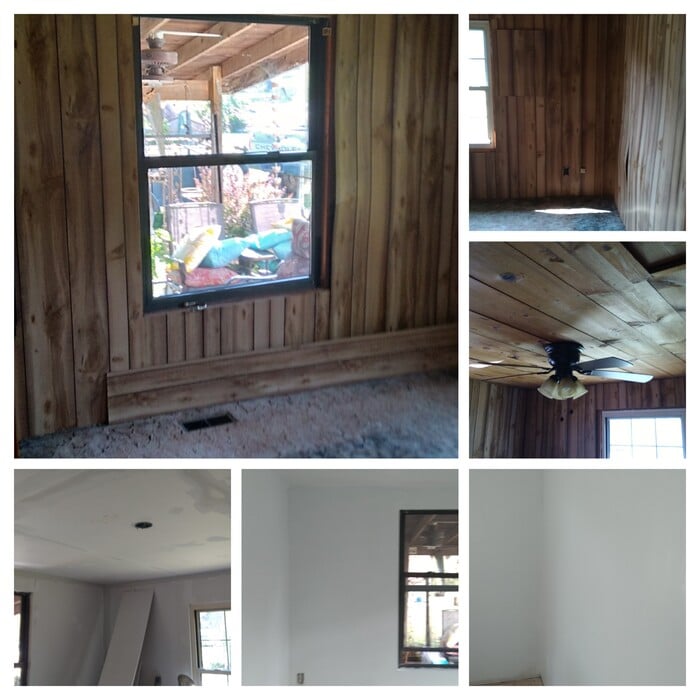



Top-rated drywall pros.

Get matched with top drywall pros in Pleasant Hope, MO

Enter your zip and get matched with up to 5 pros

Need a pro for your drywall service project in Pleasant Hope, MO?

Select your specific project to find the pro for you.

TRUSTED BY PLEASANT HOPE, MO HOMEOWNERS

  • Average homeowner rating star icon4.4
    Average homeowner rating
  • Verified reviews icon11
    Verified drywall services reviews

Find Drywall pros in Pleasant Hope

Avatar for Small Drywall
Small Drywall
4.4(
66
)
Drywall - Repair

Serving Pleasant Hope, MO and surrounding areas

Approved

In business since 1995

Free estimates

Emergency services offered

"Tracy did a great job with my ceiling repair and texture. He followed through with the clean up well. Tracy was easy to work with, trustworthy, and very personable. I would hire him again for other ceiling and drywall needs."
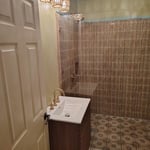
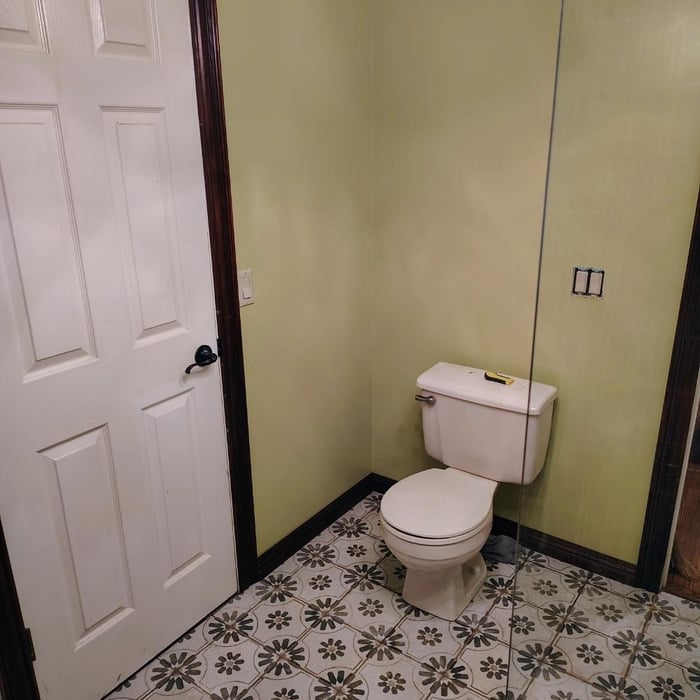
Beesly Bathroom Renovation
Random Photos of Work

+12

Response time2 days
2 neighbors recently requested a quote
Recommended by95%of homeowners
Avatar for Small Drywall Repair
Small Drywall Repair
New to Angi
Drywall - RepairDrywall - Repair - For Business

Serving Pleasant Hope, MO and surrounding areas

Approved

In business since 2025

Free estimates

Credit card accepted

We are a locally owned and operated company that values honesty and integrity and treats your home as if it were our own. We specialize in interior painting and provide unmatched customer service! You will find us to be competitively priced, paying close attention to the details of each and every project that we are involved with. We look forward to building lasting relationships and guarantee your satisfaction!\n

2 neighbors recently requested a quote
Avatar for BOA Design & Consulting LLC
BOA Design & Consulting LLC
5.0(
1
)
Drywall - InstallDrywall - Repair

Serving Pleasant Hope, MO and surrounding areas

Approved

In business since 2023

Free estimates

Emergency services offered

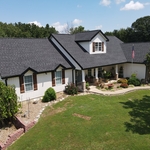
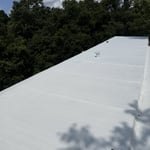
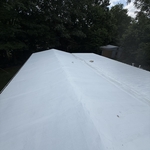
We are a locally owned and operated remodeling and restoration company based out of Urbana, MO. We specialize in residential remodeling and roofing projects. We have the knowledge and expertise to provide you with the best possible service for your project. At BOA Design & Consulting , our customers are at the heart of everything we do. "Built on Trust. Focused on Quality" is not just a mission statement: it is our life's work. We take the time to earn your trust, understand your needs and preferences, and ensure a personalized, high-quality experience.
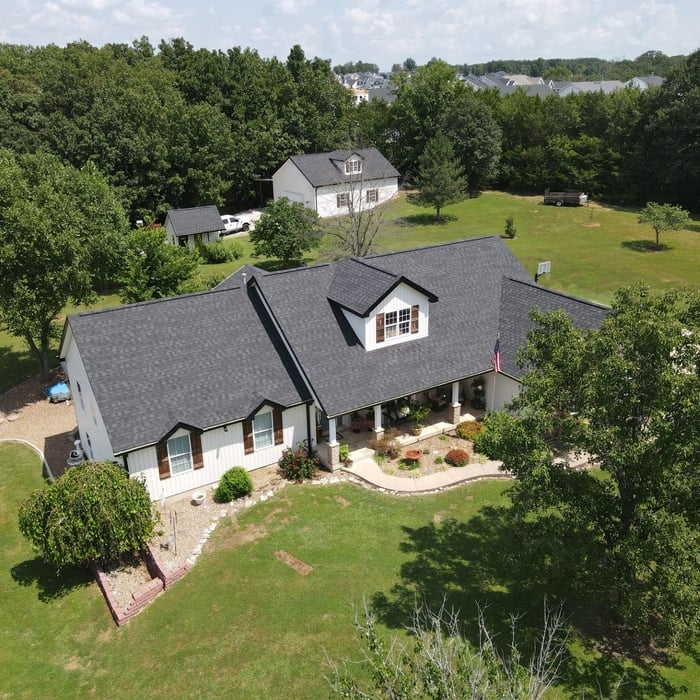
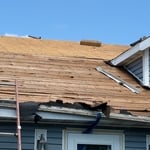
3 Separate Building
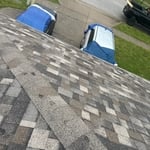
Roof overview
Roof overview
Roof overview
Job overview

+1

6 neighbors recently requested a quote
...
Showing 1-10 of 116
Drywall questions, answered by experts

It’s highly recommended to use studs for a TV mount. The last thing you want is to be watching your favorite show when the TV falls off the wall. Studs are much stronger than drywall and quite a bit stronger than drywall anchors but, if you can’t find the studs or there simply aren’t any where you need them, you can use drywall anchors. It’s extremely important to make sure the anchors are rated for the load of the TV. We recommend using anchors that are rated far beyond the weight of whatever you’re hanging. Our suggestion is metal drywall toggle anchors. 

Yes, drywall can hold a 50-pound TV. However, when mounting a TV, you’ll either need to attach it to wall studs or use drywall anchors. If you use anchors, make sure to buy a type that can hold at least 50 pounds. Molly bolts, threaded anchors, and toggle bolts are all good options. For extra support, you can also install a wall mounting plate with the anchors.

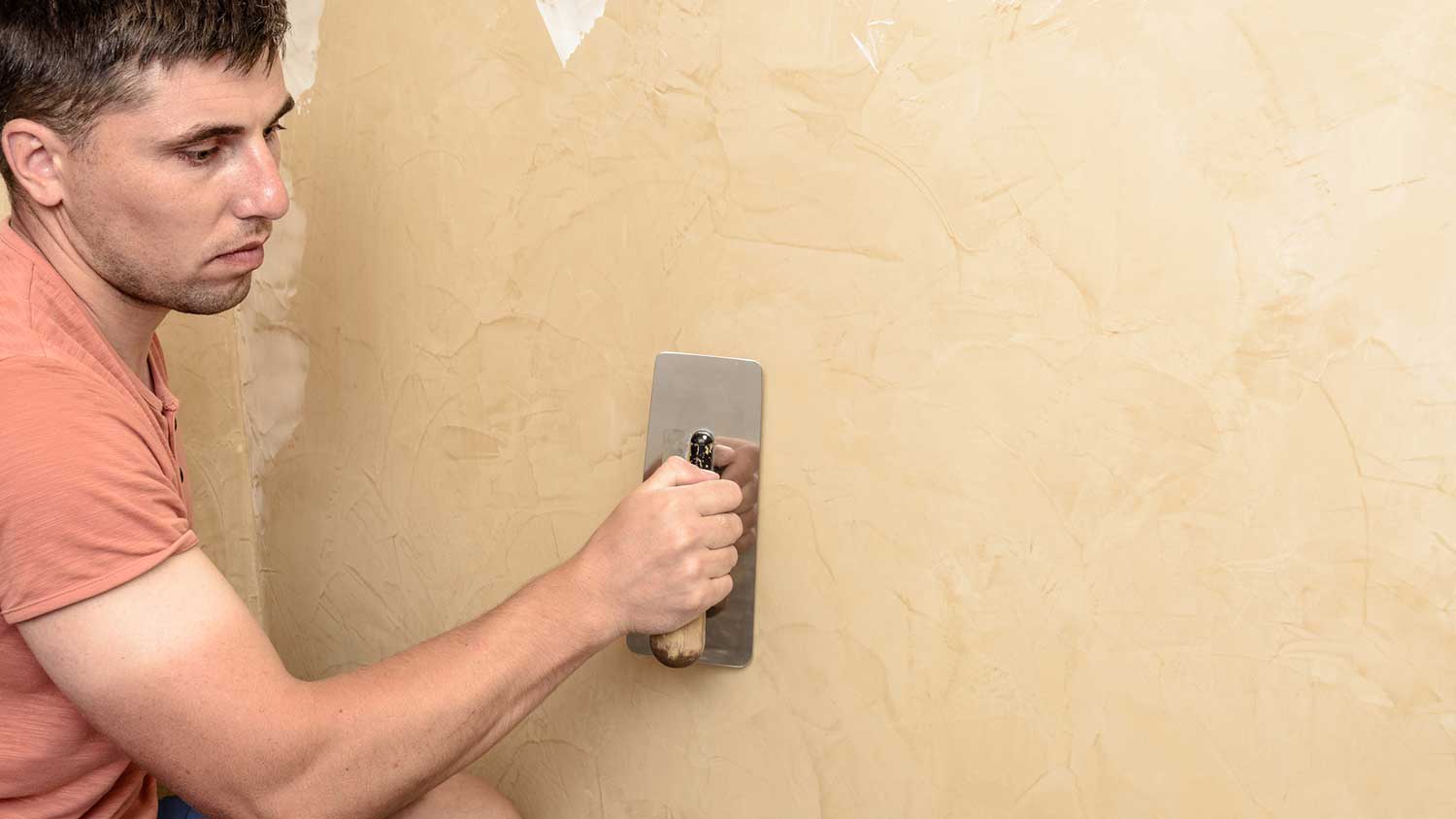
Plastering and skimming are two different techniques for finishing walls. Plastering involves applying a thick layer of a plaster mixture—typically containing gypsum, lime, cement, sand, and water—to create a new surface. This process often requires multiple coats and is used for repairing significant damage or creating decorative textures. Skimming, on the other hand, is a technique that involves applying a thin layer of drywall compound or joint compound over an existing surface to smooth it out, covering minor imperfections, small cracks, or uneven textures for a polished look. Plastering is generally more costly and labor-intensive than skimming. Although some people use the terms interchangeably, they refer to different processes and materials.

It’s not a good idea to plaster over broken plaster (unless by broken you’re referring to cracked, in which case that’s perfectly fine). However, broken plaster can be a sign of a larger underlying issue like foundation damage or severe damage to the lath holding up the plaster, so it’s worth investigating before you simply plaster on top of the damage.

Although they have similar applications, spackle and joint compound are not the same. Their primary differences lie in their composition, consistency, and ideal use cases.

Spackle is composed of gypsum and binding agents, making it thicker than joint compound. It dries quickly and is easy to sand, which makes it ideal for small wall repair projects like filling nail holes or patching minor damage.

Joint compound, also known as drywall mud, consists of limestone and gypsum. It is primarily used for large-scale projects, such as taping and finishing the seams on newly installed drywall. It tends to shrink more than spackle and can be more difficult to spread.

While both products can be used to fill small depressions and cracks, spackle cannot replace joint compound for taping and mudding new drywall. Conversely, you can often use joint compound for small patching jobs typically done with spackle.

The Pleasant Hope, MO homeowners’ guide to drywall services

From average costs to expert advice, get all the answers you need to get your job done.