






Top-rated drywall pros.

Get matched with top drywall pros in Strafford, MO

Enter your zip and get matched with up to 5 pros

Need a pro for your drywall service project in Strafford, MO?

Select your specific project to find the pro for you.

TRUSTED BY STRAFFORD, MO HOMEOWNERS

  • Average homeowner rating star icon4.2
    Average homeowner rating
  • Verified reviews icon44
    Verified drywall services reviews

Find Drywall pros in Strafford

Avatar for Ponchos Quality Drywall
Ponchos Quality Drywall
4.5(
3
)
Drywall - InstallDrywall - Install - For BusinessDrywall - Repair - For Business

Serving Strafford, MO and surrounding areas

Approved

In business since 2020

Free estimates

Offers commercial services

We pride our company on reliability, great communication, integrity, and quality work. We are experts in our trade and will do our best to keep you as educated as we can on your particular task or project. We look forward to earning your business! Book with us online, or feel free to give us a call today!

Response time2 days
7 neighbors recently requested a quote
Recommended by100%of homeowners
...
Showing 1-10 of 134
Drywall questions, answered by experts

The person’s skill will affect how many drywall sheets they can hang in one day. Some people can hang 10 or more sheets in a day, while others may only hang six or seven sheets. It also depends on the framing complexity since custom cutting and fitting the drywall can prolong the process.

You should leave a gap between drywall sheets because they naturally expand and contract along with the building framing as temperature and humidity change. Most pro drywall installers leave a gap of about ⅛ inch between drywall sheets, allowing the sheets to expand, contract, and shift without cracking or becoming damaged. If you don’t leave enough gaps between slabs, the edges will press against each other when they expand, and the pressure can cause visible cracks.

While a normal moisture level for drywall is between 5% and 12%, replacement is recommended if you get consistent readings above 17%. At this level, the drywall is likely too compromised by extensive moisture damage to be considered safe. You can replace either the entire sheet or just the affected section. If you are unsure after a visual inspection, it is best to have a contractor or water restoration provider use a professional moisture meter to get an accurate reading.
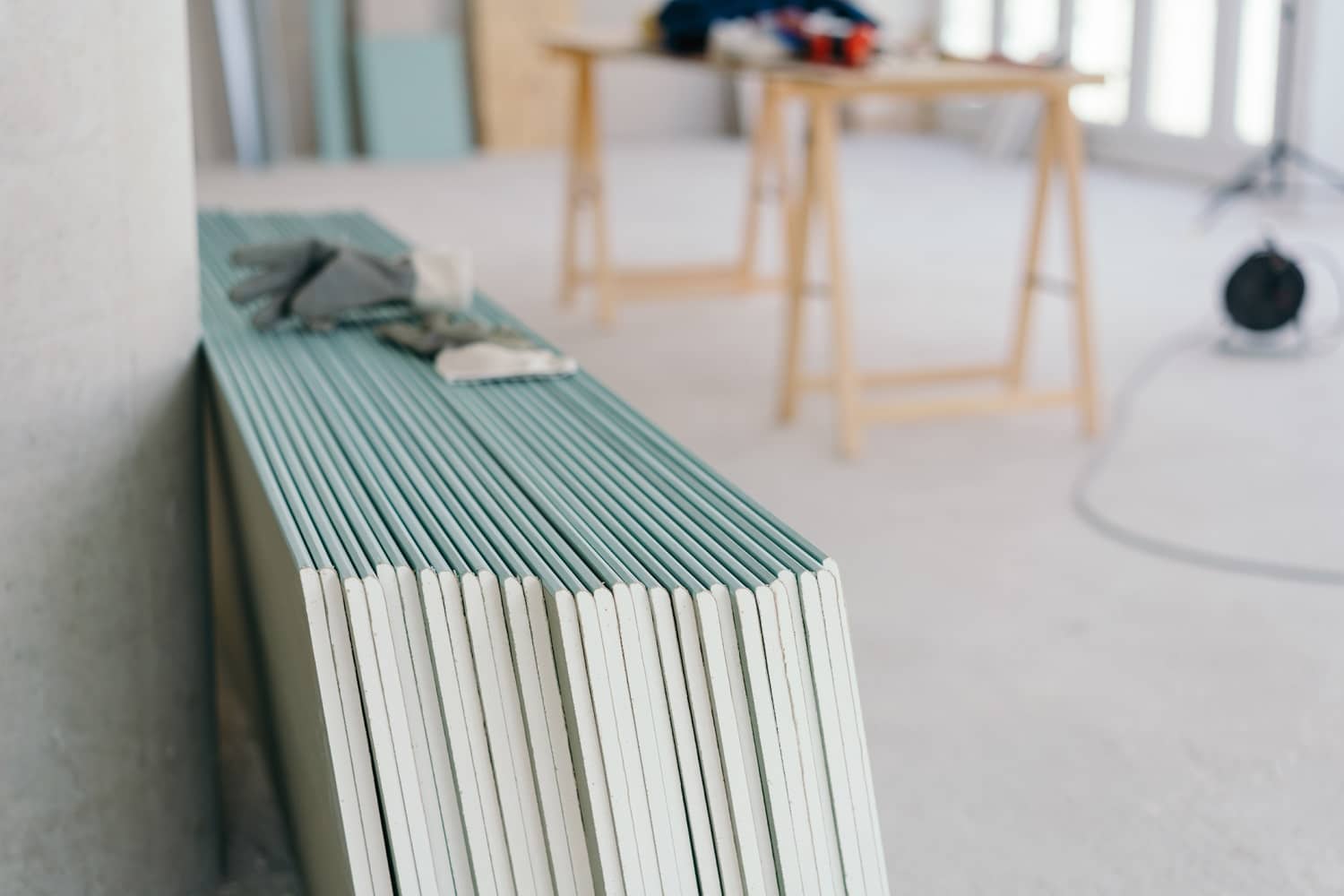
Although they have similar applications, spackle and joint compound are not the same. Their primary differences lie in their composition, consistency, and ideal use cases.
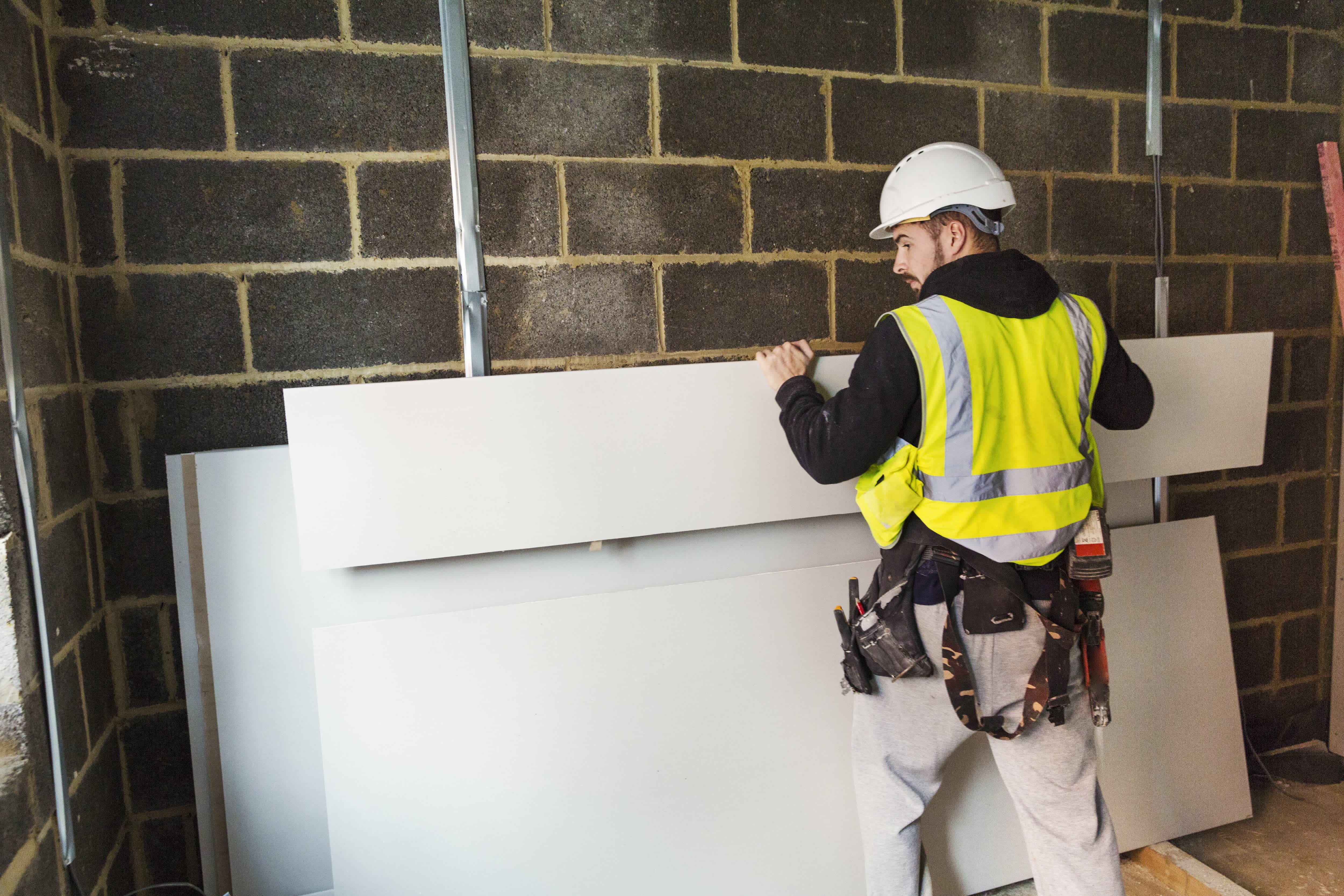
Spackle is composed of gypsum and binding agents, making it thicker than joint compound. It dries quickly and is easy to sand, which makes it ideal for small wall repair projects like filling nail holes or patching minor damage.

Joint compound, also known as drywall mud, consists of limestone and gypsum. It is primarily used for large-scale projects, such as taping and finishing the seams on newly installed drywall. It tends to shrink more than spackle and can be more difficult to spread.

While both products can be used to fill small depressions and cracks, spackle cannot replace joint compound for taping and mudding new drywall. Conversely, you can often use joint compound for small patching jobs typically done with spackle.

It’s always better to follow proven drywall repair tips and fix the seams that look bad. However, if you simply want to make them less noticeable until you have time to fix them, you can use paint. A darker color of paint makes bad drywall tape seams less noticeable than light-colored paint. Matte paint hides bad seams better than glossy paint does, too.

The Strafford, MO homeowners’ guide to drywall services

From average costs to expert advice, get all the answers you need to get your job done.