
Top-rated asphalt driveway pros.

Get matched with top asphalt driveway pros in Pleasant Hope, MO

Enter your zip and get matched with up to 5 pros

Need a pro for your asphalt driveway service project in Pleasant Hope, MO?

Select your specific project to find the pro for you.

Find Asphalt driveway pros in Pleasant Hope

Avatar for Southern Contracting, LLC
Southern Contracting, LLC
5.0(
36
)
Concrete Driveways - InstallConcrete Driveways & Floors - Install- For Business

Serving Pleasant Hope, MO and surrounding areas

Approved

In business since 2016

Free estimates

Emergency services offered

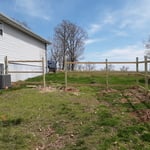
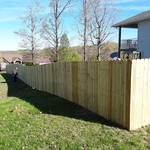
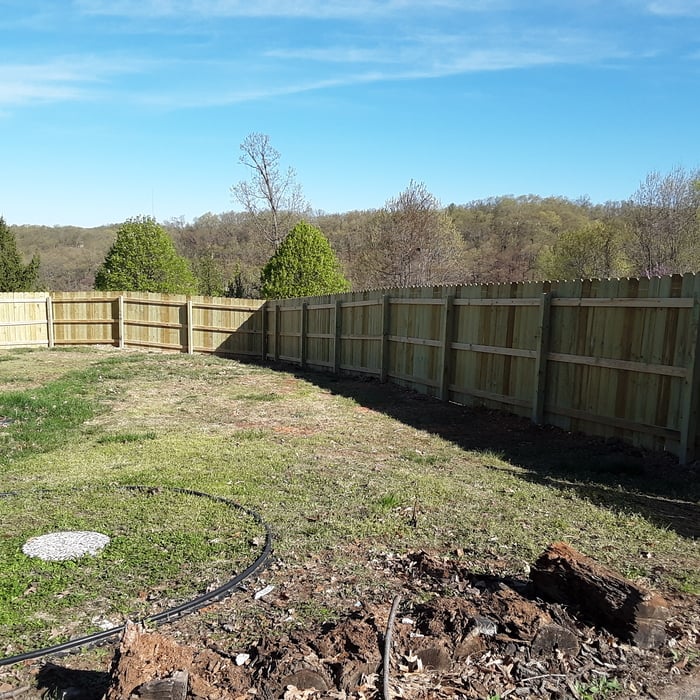
"Ivan and his crew are miracles workers. They saved a privacy fence another contractor poorly started and went way above my expectations. Great communication and fair pricing, and they completed the entire job in 1.5 days (over 350 ft of dog ear fencing). Thank you Ivan!"
6ft chain-link
6' chain-link fence
Privacy fence start
Wrapping up
Interior

+17

Response time1 day
2 neighbors recently requested a quote
Recommended by94%of homeowners
Avatar for S & G Asphalt
S & G Asphalt
4.0(
13
)
Asphalt SealingAsphalt Paving - Repair or Patch

Serving Pleasant Hope, MO and surrounding areas

Approved

In business since 2000

Free estimates

Small jobs welcome

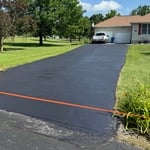
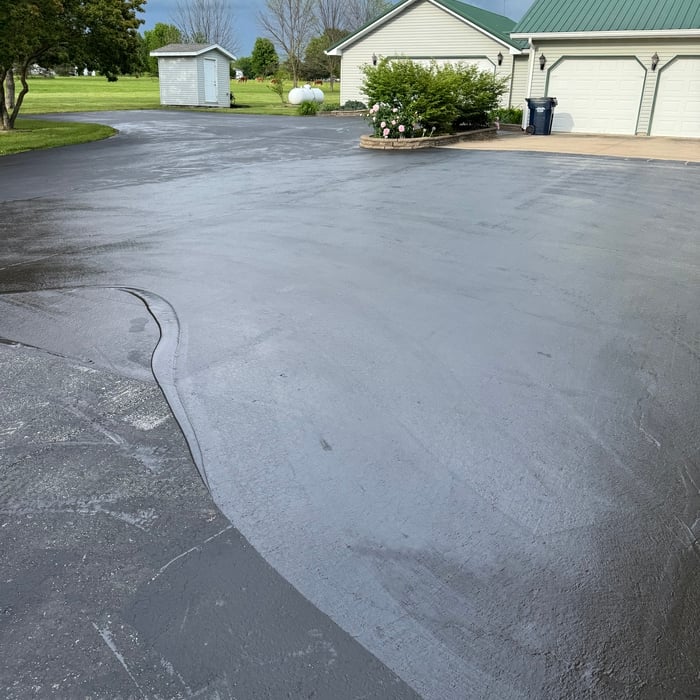
"So glad we went with this local, family owned business over some of the other bids we received from larger companies. Curtis was very open during the entire process and they did a fantastic job on our driveway. S&G will have all of our business from now on."
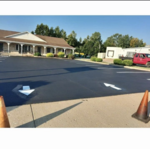
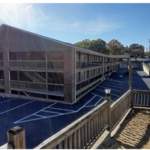
Parking area
Parking area
Parking area
Parking area
Parking area

+1

Response time4 hrs
Response rate96%
3 neighbors recently requested a quote
...
Showing 1-10 of 132
Asphalt Driveways questions, answered by experts

If you’re looking for a similar, eco-friendly driveway material, you might consider one of these options:

  • Permeable pavement: This material is sometimes called “pervious” or “porous” pavement; it allows stormwater to drain into the subbase, eliminating storm drain costs. 

  • Gravel: Consider paving your driveway with locally sourced gravel. By sourcing from a nearby source, your money won’t fund international shipping and will be invested back into your local community.

  • Natural stone pavers: Because natural stone pavers are made from organically-produced stone, there’s no new manufacturing required, limiting the environmental impact. In addition, water easily flows and drains through the gaps in the pavers.
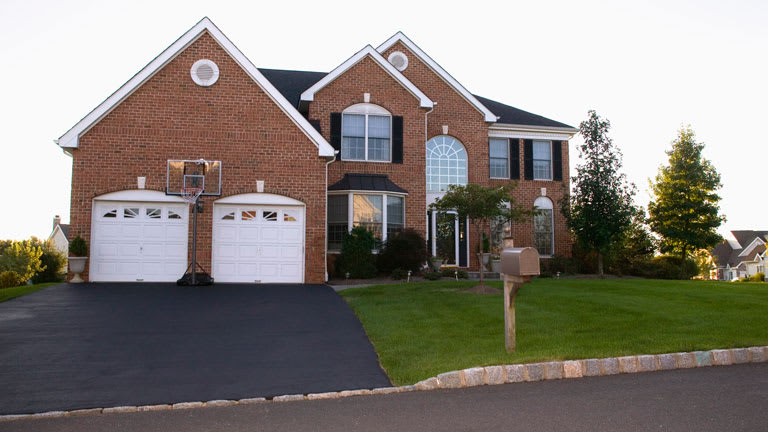
A driveway approach is the part of a driveway where the public road meets the private driveway. This section contains several key elements, including the driveway apron, the curb cut, and the end slope. Depending on the slope of the driveway, this area may also contain the trench drain.

The decision to repair or replace your driveway depends on the extent of the damage. If your driveway has a few small cracks, a simple repair will do the trick. If you see larger cracks and potholes, it may be time to consider resurfacing or replacement. Resurfacing is a great option if more than 25% of the surface is damaged, but if the damage is extensive—deep cracks or significant sinking—it’s best to replace the driveway entirely. A new driveway, with proper care, can last decades while patching or resurfacing might only hold up for a few years before needing more attention.
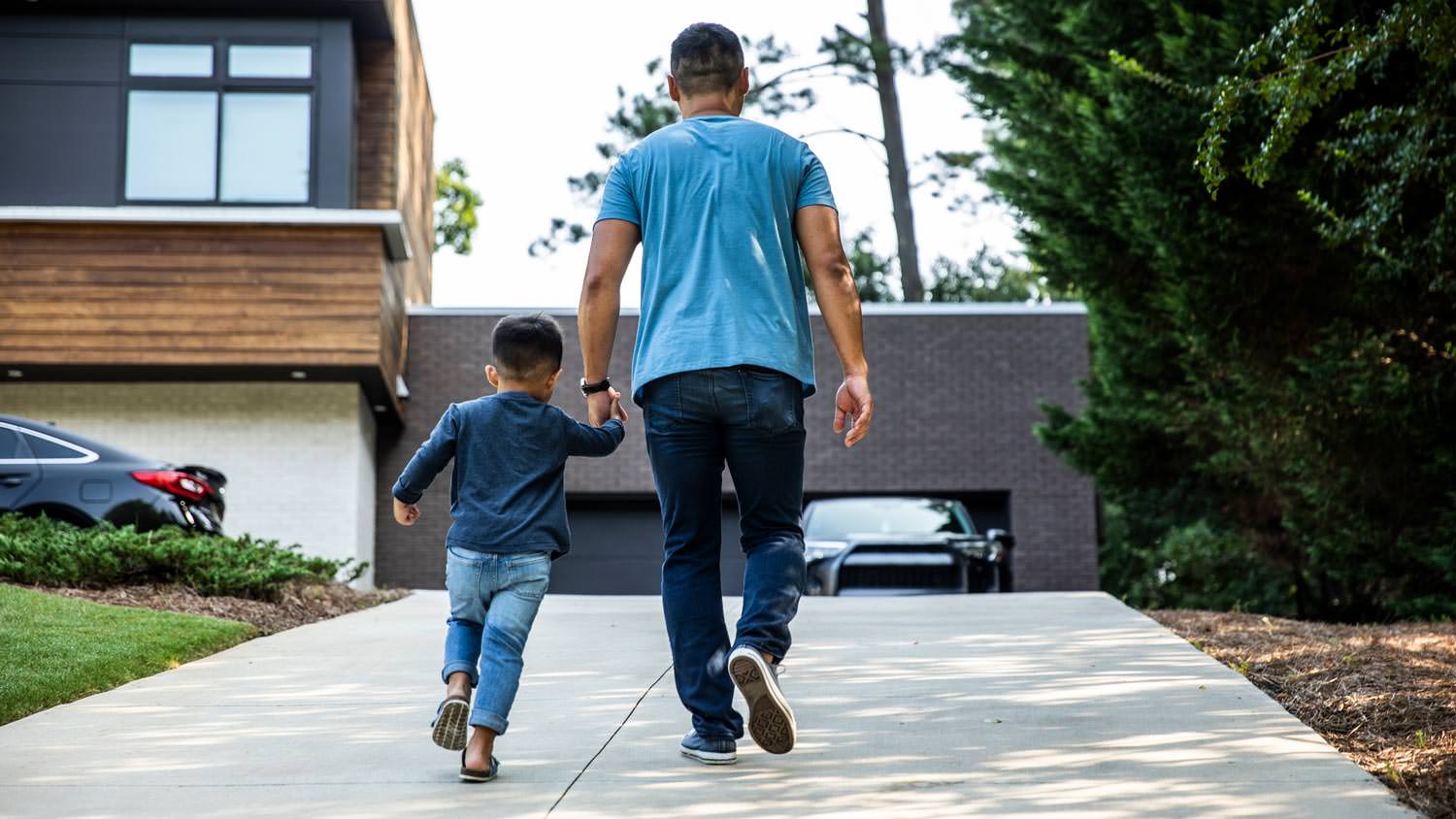
The choice between asphalt and concrete depends on your priorities, budget, and climate.
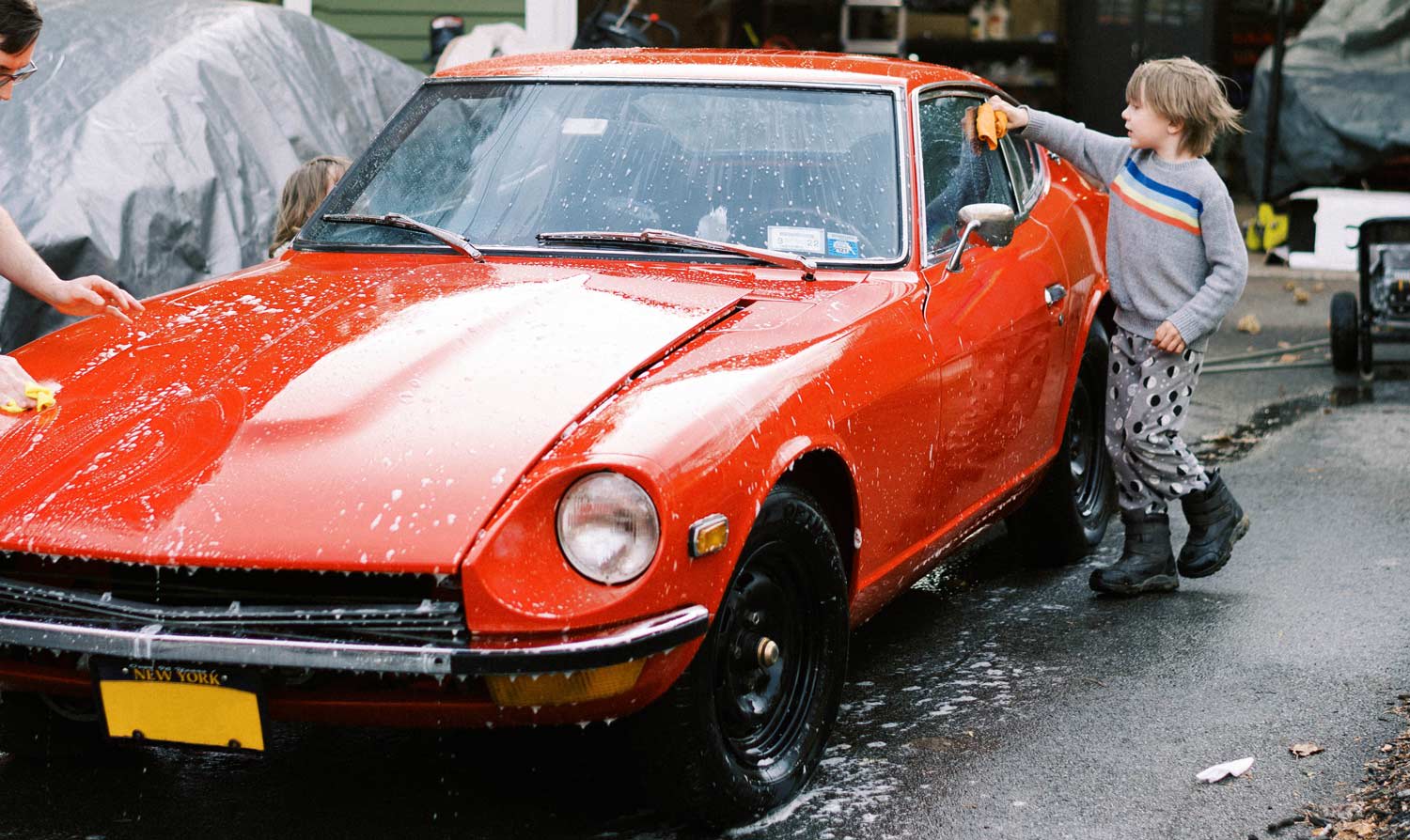
Concrete is generally more durable, lasting up to 50 years with minimal upkeep, and offers more customization options like staining and stamping, which can add more to a home's value. However, it is more expensive upfront and can be prone to cracking in cold climates where water can freeze and expand.

Asphalt is typically cheaper and quicker to install and is easier to repair. It performs better in colder climates. However, it requires more maintenance, including regular resealing, has a shorter lifespan, and can get hot and sticky in intense sunlight.

Ultimately, if durability and long-term value are key, concrete is often the better choice. If upfront cost and performance in cold weather are more important, asphalt may be preferable.

Asphalt and tarmac are not the same thing. Traditional tarmac, short for tarmacadam, uses tar as a binder to hold crushed stone together. Asphalt uses bitumen—a byproduct of crude oil—to bind aggregate. Though tarmac was once a go-to for roads, asphalt has become the modern standard. And these days, most surfaces referred to as “tarmac” are actually asphalt. So, while the names may overlap, the key distinction lies in the binder—tar for tarmac and bitumen for asphalt.

The Pleasant Hope, MO homeowners’ guide to asphalt driveway services

From average costs to expert advice, get all the answers you need to get your job done.