



Top-rated drywall pros.

Get matched with top drywall pros in Fair Grove, MO

Enter your zip and get matched with up to 5 pros

Need a pro for your drywall service project in Fair Grove, MO?

Select your specific project to find the pro for you.

TRUSTED BY FAIR GROVE, MO HOMEOWNERS

  • Average homeowner rating star icon4.3
    Average homeowner rating
  • Verified reviews icon31
    Verified drywall services reviews

Find Drywall pros in Fair Grove

Avatar for JMA Construction
JMA Construction
4.1(
7
)

Serving Fair Grove, MO and surrounding areas

Approved

In business since 2017

Free estimates

Customers say: Quick response

"They were very professional and showed up on time and did great work. Also very friendly and cleaned up after the work was completed 👍😁😁😁"
Response time5 days
6 neighbors recently requested a quote
Recommended by100%of homeowners
Avatar for Small Drywall Repair
Small Drywall Repair
New to Angi

Serving Fair Grove, MO and surrounding areas

Approved

In business since 2025

Free estimates

Credit card accepted

We are a locally owned and operated company that values honesty and integrity and treats your home as if it were our own. We specialize in interior painting and provide unmatched customer service! You will find us to be competitively priced, paying close attention to the details of each and every project that we are involved with. We look forward to building lasting relationships and guarantee your satisfaction!\n

1 neighbors recently requested a quote
...
Showing 1-10 of 127
Drywall questions, answered by experts

Both plaster and drywall are durable wall finishes, but they differ significantly in installation, cost, performance, and aesthetics.

Installation & Cost: Drywall installation is faster and more affordable, typically costing $1.50 to $3 per square foot. It uses premade sheets, making it a more accessible DIY project. Plastering is a labor-intensive craft that requires specialized skills, pushing costs to $2 to $10 per square foot. It involves applying a wet paste over a lath framework.

Durability & Performance: Plaster is generally more durable, longer-lasting, and provides superior soundproofing. It is also a better insulator, which can help reduce energy costs. Drywall is easier to remove for future renovations.

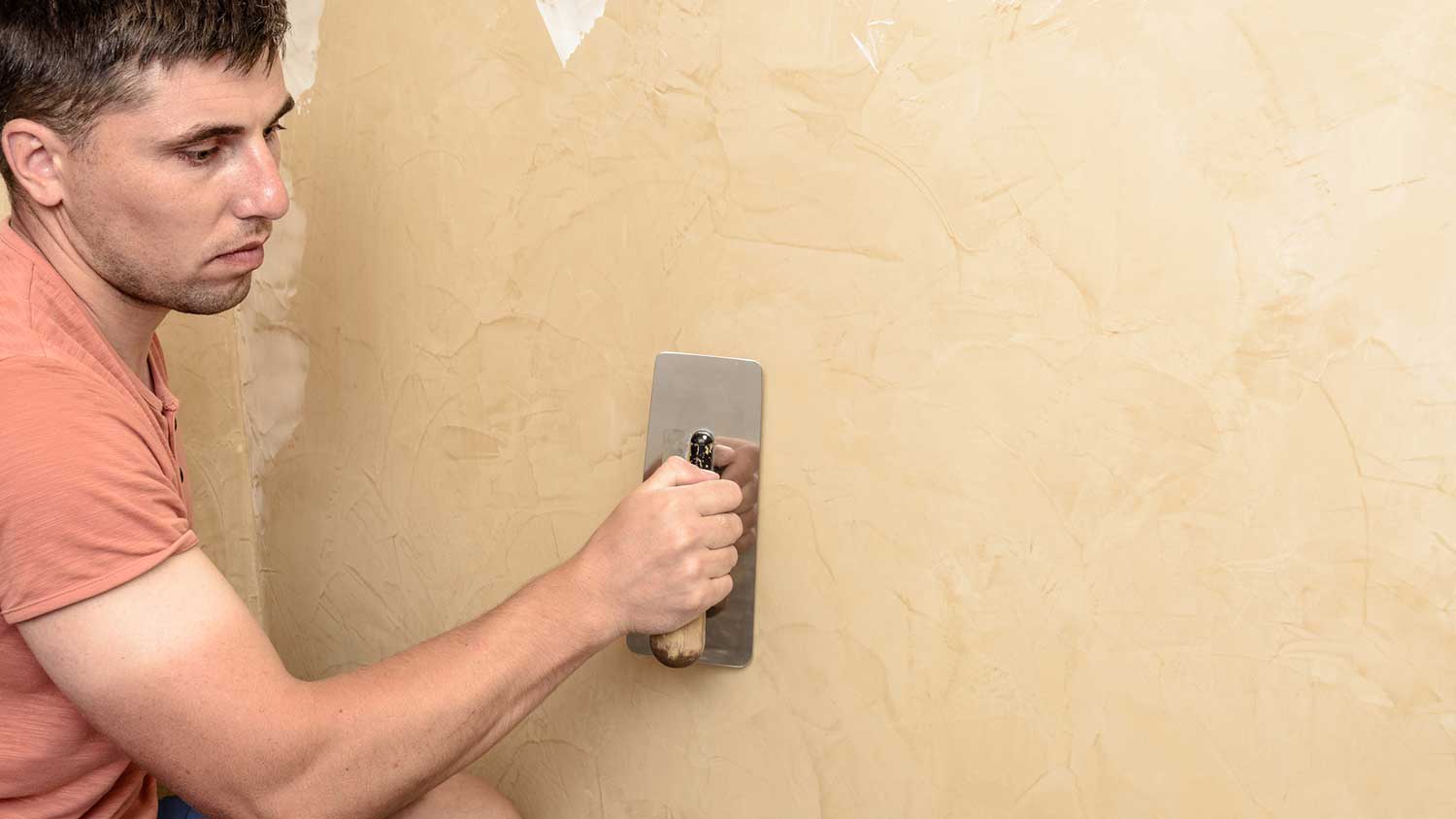
Aesthetics: Drywall provides a smooth, uniform surface ready for paint or texture. Plaster offers a high-end, naturally textured look that can hide imperfections and is often preferred for achieving a classic or historic aesthetic.
Which is better? The choice depends on your priorities. Drywall is ideal for those prioritizing a lower upfront cost, faster installation, and DIY potential. Plaster is the better option for a higher-end project where durability, soundproofing, and a unique, premium finish are more important than the initial cost.

In many cases, installing new drywall will boost your home value. Replacing old, damaged, cracked, or wavy drywall is a great way to improve the look and feel of your home, as new drywall installed by a professional shouldn’t have any imperfections. Additionally, removing old drywall means you’ll have open walls, so you can install new insulation and address exposed issues with plumbing and electrical systems running behind the walls. All of these fixes will also add to your home’s value.

There are some instances when you can use extra drywall in your garden. Ideally, unused scraps of new drywall are best for amending soil without the concern of additional chemicals or mold. However, drywall with paint, mold, or potential asbestos requires specialized disposal by a professional and should be kept out of your garden.

You can repair plaster ceilings yourself after the cause of the ceiling damage has been addressed. However, the repair can easily take 5 hours and can be slightly challenging for those without previous experience. If you do decide to flex your DIY muscle, have a helper to help hold the ladder and pass you the tools for safety purposes.
In framing, studs are placed at 16-inch intervals to coincide with the typical spacing of wall materials such as drywall or plywood. This spacing is called "on-center" and is necessary for maintaining structural stability and efficient use of materials. The 16-inch spacing also helps to distribute the weight evenly across the building's structure. For those looking to cut material costs and improve energy efficiency, 24-inch stud spacing can be employed through a method called "advanced framing". This requires careful planning and adherence to local building codes to ensure structural integrity.

The Fair Grove, MO homeowners’ guide to drywall services

From average costs to expert advice, get all the answers you need to get your job done.