





Top-rated excavation pros.

Get matched with top excavation pros in Malden, MO

Enter your zip and get matched with up to 5 pros

Need a pro for your excavation project in Malden, MO?

Select your specific project to find the pro for you.

Find Excavation pros in Malden

Avatar for S&S Excavating and Trenching
S&S Excavating and Trenching
5.0(
1
)

Serving Malden, MO and surrounding areas

In business since 2019

Free estimates

Offers commercial services

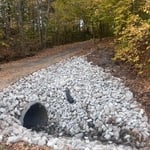
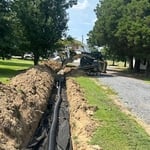
"Eric did a great job, he is very knowledgeable and efficient. He dug a drain from our driveway that was having erosion problems and installed drainage pipes on the side to fed them to the street storm drain."
Response time3 hrs
Recommended by100%of homeowners

Avatar for Inco Ag
Inco Ag
5.0(
2
)

Serving Malden, MO and surrounding areas

In business since 2012

Free estimates

Credit card accepted

"Great honest guys, They come in and got the job done in a timely matter. My property looked very professional when they left. No trash was left behind. Everything they did for me was very top notch. Highly recommend them."
Culvert Replacement
New Culvert
Drainge
Drainage
Drainage

+4

Response time4 days
Recommended by100%of homeowners
Showing 1-10 of 30
Excavating questions, answered by experts

A joint utility trench, or joint trench, is a long, buried ditch on a property that contains two or more utility lines rather than running the lines in multiple trenches. Some utilities, like gas and electric or electric and communication lines, are better suited to joint trenching, while others, like water and sewer, are not allowed to be in the same trench.

To locate an underground downspout, you should start by identifying where the above ground gutter drains. Look for an entry point, such as a pipe or elbow leading into the ground. Follow the surface path for signs like depressions, landscaping disruptions, or wet areas after rain. You can use a metal detector or plumber’s snake to trace the pipe underground. For deeper pipes, a professional locator tool or camera inspection may be necessary. Visual markers or utility maps can also guide the search.

A trench that is less than 5 feet deep often doesn't require a protective system. Most residential trenches will not go this deep (the typical residential drainage trench is just 18 inches deep). In the event that an excavator needs to dig more than 5 feet beneath the surface, a protective system is required unless the excavation is in entirely stable rock.

Call 811 to locate and mark the gas lines at least three days before digging. In many areas, you can dig within 18 inches of the lines, though in some locations, the distance may be further. Check local regulations, as you may need a utility company representative onsite when digging. Document your calls to 811 and precautions taken to avoid gas lines. A homeowner can be held liable for hitting a gas line in some cases, but contacting the proper authorities and following all guidelines can offer protection.

Trenches are typically 12 to 24 inches deep and 8 inches wide. However, the required depth depends on the specific project and local ordinances. For example, a French drain may need to be 18 inches deep, while a water pipe might require a depth of 24 inches and a drainage pipe 36 inches. Your city or county may have specific regulations, so it's wise to consult with an excavation professional to determine the correct depth for your project.

The Malden, MO homeowners’ guide to excavation services

From average costs to expert advice, get all the answers you need to get your job done.