






Top-rated excavation pros.

Get matched with top excavation pros in Sikeston, MO

Enter your zip and get matched with up to 5 pros

Need a pro for your excavation project in Sikeston, MO?

Select your specific project to find the pro for you.

Find Excavation pros in Sikeston

Avatar for DTR Farms LLC
DTR Farms LLC
5.0(
12
)

Serving Sikeston, MO and surrounding areas

In business since 2019

Free estimates

Offers commercial services

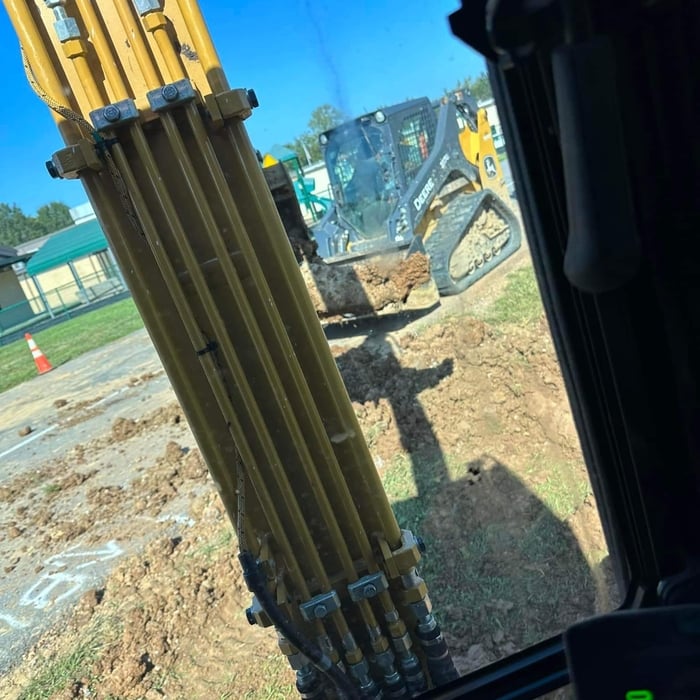
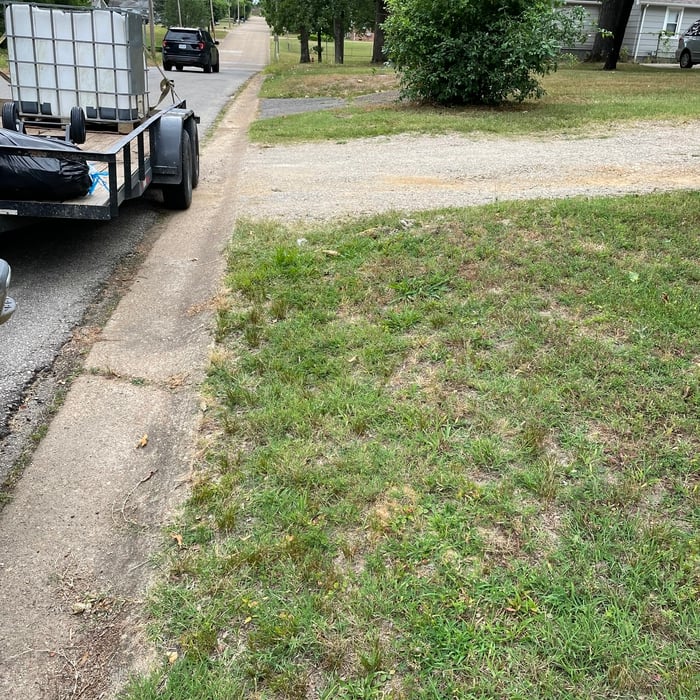
"Mr. Crice was professional and courteous as well as the rest if his crew. He took extra steps to assure that I got the materials I wanted and that the outcome was what I was looking for. I will definitely use him for my next project."
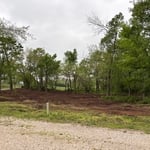
walk around
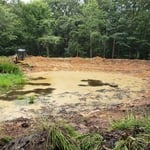
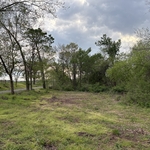
before photo
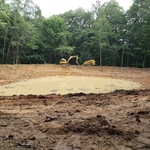
during the clean out
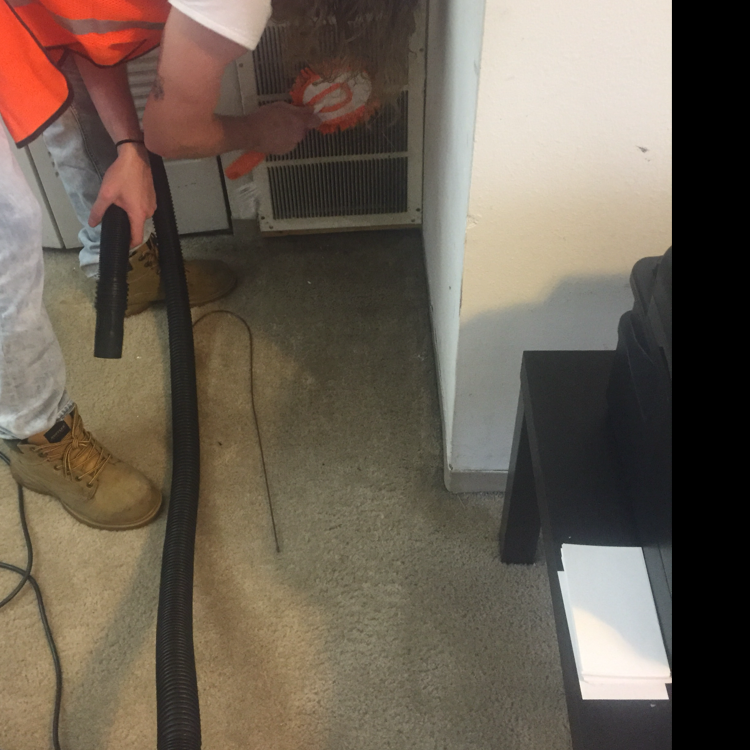
after cleaning
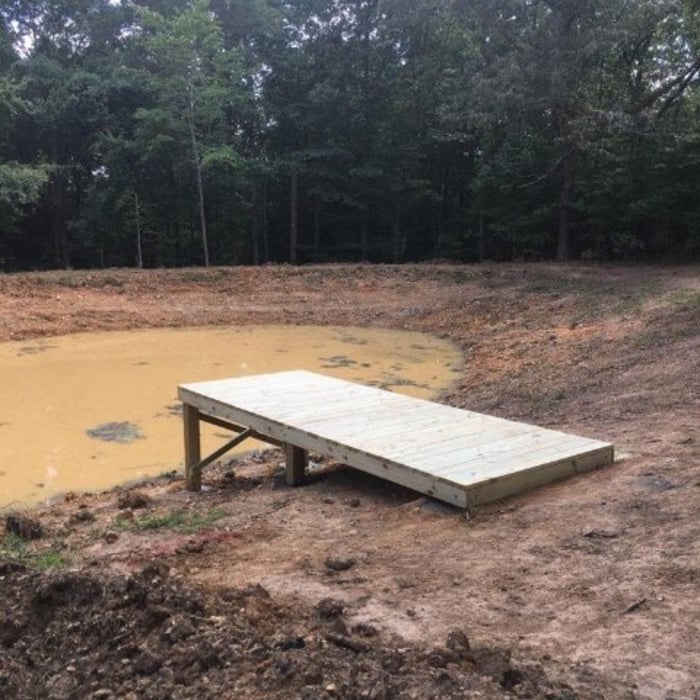
after photo

+37

Response time3 days
Recommended by100%of homeowners
Apex Excavation, LLC
5.0(
1
)

Serving Sikeston, MO and surrounding areas

In business since 2022

Free estimates

Credit card accepted

"Meridian Roofing Solutions contacted a few excavating companies for some dirt work we needed on a roofing project. Apex Excavation was the first to respond and provided an accurate quote. I was most impressed by how they communicated to us and understood the project. I would definitely work with them again and recommend them for any dirt work needed."
Response time2 days
Showing 1-10 of 27
Excavating questions, answered by experts

Digging out a basement takes anywhere from a few days to a few months. Most projects take at least two to five weeks, but it could take several months if you encounter obstacles. This project takes longer if you need to brace or raise your home before the excavation. Digging out a basement in new construction can take as little as three days.

Sewer lines can be buried anywhere from 18 inches to 8 feet deep, with a common average depth between 18 and 30 inches. The exact depth depends on local factors like climate and soil type. In colder regions, pipes must be buried deeper (below the frost line) to prevent freezing, sometimes as deep as 8 feet. The digging depth can also impact the cost of sewer line replacement. To find the specific depth for your property, you can check the building plans for your system, which should be on file with your city or local sanitation department since permits are required for installation.

Most residential basements are 8 to 10 feet deep. You can dig deeper depending on building codes, but it does become more difficult. You’ll likely need to install stronger foundation walls and additional supports to handle the increased load. Depending on the water table, you may also need a water management system. Clay soil can support a deeper foundation than sandy soil. A structural engineer will be able to tell you the maximum, feasible depth.

A walk-behind trencher can cut through roots as long as they’re not too thick, making a project much easier than digging with a shovel and other hand tools. Assess your terrain and the number of trees in the surrounding area to determine if a walk-behind trencher will ease the job. Digging a trench by hand is much more time-consuming and labor-intensive. 

Hardscaping often requires preparation of the ground in the area where the feature is being installed. This can include digging, compacting, and leveling the soil, ensuring adequate drainage, and removing any existing plants. The extent of preparation needed will depend on the type and size of the hardscaping feature being installed.

The Sikeston, MO homeowners’ guide to excavation services

From average costs to expert advice, get all the answers you need to get your job done.

What do you need done? We’ll find top pros.
  • 🌱 "Mow a small front yard"
  • 🛠 "Fix a leaking pipe under the sink"
  • 🏠 "Repair shingles on an asphalt roof"