




Top-rated excavation pros.

Get matched with top excavation pros in Senath, MO

Enter your zip and get matched with up to 5 pros

Need a pro for your excavation project in Senath, MO?

Select your specific project to find the pro for you.

Find Excavation pros in Senath

Avatar for S&S Excavating and Trenching
S&S Excavating and Trenching
5.0(
1
)

Serving Senath, MO and surrounding areas

In business since 2019

Free estimates

Offers commercial services

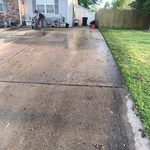
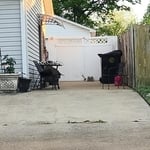
"Eric did a great job, he is very knowledgeable and efficient. He dug a drain from our driveway that was having erosion problems and installed drainage pipes on the side to fed them to the street storm drain."
Response time3 hrs
Recommended by100%of homeowners

Showing 1-10 of 23
Excavating questions, answered by experts

Hard soil could be a sign of overly dry dirt, either from poor drainage or drought. It's important to test the nutrient levels, density, and drainage capacity of your soil to see if it's absorbing water properly. Begin by adding a light layer of water and observing how long the soil retains moisture. If you experience a good deal of runoff, you may need to aerate your lawn, apply a wetting agent, or hire a professional for a closer look.

Digging a bush up by the roots is the most natural DIY method for removing a bush stump. Start by identifying the shrub type and revealing its roots. Cut the shrub to its base and loosen the soil, ensuring no utility lines are nearby. Optionally, treat the base with herbicide, then dig around the roots and cut a circle around the shrub using various tools. Dig a trench, cut the base of the root ball, and finally fill the hole to prevent regrowth. This thorough process ensures complete removal without damaging surrounding areas.

There are many ways to cut through roots when digging, especially if your trencher doesn’t seem to be removing the roots. First, use a shovel to expose the roots. Then, use gardening shears to clear out smaller roots or a reciprocating saw to remove larger plant roots. If you plan on keeping the plant, avoid cutting any roots over 2 inches thick.

In the United States, a depth of 36 inches (three feet) for underground water lines is the accepted industry standard. This depth varies from location to location based on local conditions. In areas with colder winters, they may be buried deeper to prevent frozen well water pipes : This is usually at least six inches below the frost level. The International Plumbing Code calls for a minimum of 12 inches below grade.

If you have a broken sprinkler pipe underground, there will be some signs you can easily spot to locate it and take action. These include leaks, water spouts, flooding, consistently damp areas on your lawn, low water pressure, and grass around the sprinkler head that’s taller and darker than anywhere else in the yard. 

If there are no obvious signs of a broken pipe, you can use tools such as water leak mics, leak noise loggers, audio devices that record leaks, and acoustic testing links. 

Broken pipes can lead to uneven watering, plant damage, and higher utility bills. The longer you wait to fix them the more the repair cost may be.

The Senath, MO homeowners’ guide to excavation services

From average costs to expert advice, get all the answers you need to get your job done.