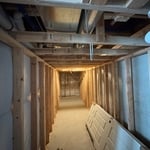
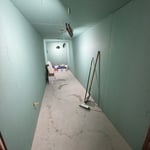
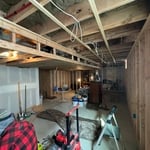
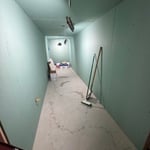
"Josh did some custom carpentry work for us, as well as some very technically challenging steel tapping for a circular jig attached to a motor. He did a fantastic job. The steel tapping was something I had basically given up on ever fixing, but he was able to do it!"
About this pro\n\nI specialize in residential remodeling, repairs, and home improvement projects — from small repairs to larger bathroom, kitchen, basement, flooring, drywall, painting, carpentry, and installation work.\n\nI am fully insured with over $1,000,000 in liability coverage, so customers can feel confident that the work is being handled professionally and responsibly.\n\nServices include:\n\n• Bathroom remodeling and repairs\n• Kitchen remodeling and repairs\n• Basement finishing and room remodeling\n• Flooring installation and replacement\n• Interior and exterior painting\n• Drywall installation\n• Doors, trim, baseboards, molding\n• Framing and wall modifications\n• Deck, porch, and exterior \n• Cabinet installation\n• Shelving and wall-mounted installations\n• Faucets, sinks, garbage disposals, and plumbing fixtures\n• Light fixtures, outlets, switches\n• Garage door trim and weatherstripping\n• Demolition and preparation for remodeling\n• General home repairs and maintenance\n\n
My name is Jordan, and I’ve been doing asphalt for 15 years! I specialize in anything that has asphalt. Everything from full depth repairs, patching, seal coating, grading for a new build, driveways and seal coating. I pride myself in giving you quality work that makes you feel happy about your investment.
"Jeff came out to take care of a very high limb over our house that we were concerned about. He was very professional and personable, he not only cut the limb for us, but he offered to clean up the rest of the tree as well. He made short work of a big project for us and it has given our family much-needed peace of mind. Thank you to your entire crew and we will definitely be telling friends and family that you are the guy to talk to."
"I'm an 80 yr old lady and young Tate Nowlin built us a fence exactly like we wanted. After a delay with our HOA they got the job done in 3 days as they said. We wanted quality products and installation and we got it. Thanks Tate and Logan!"
"White Construction did a great job of installing my chain link fence. He was very organized and did the whole job in 2 days. He also had one of the lowest bids."
Yes, installing a picket fence is a manageable DIY project for homeowners with basic tools and some patience. The process involves marking the fence line, digging post holes, setting the posts, and attaching horizontal rails and pickets. However, precision is key to ensure the fence is straight and sturdy, which can be challenging for beginners. If the fence line is long, the ground is uneven, or you’re working with more complex materials like metal or composite, hiring a pro may be a better option.
A chain-link fence does not lower your property value. However, chain links are not the most attractive materials—so it probably won’t raise the value either. If this is a concern, opt for wooden posts to provide visual flair and go with a color coating on your fence. Putting in a functional and attractive gate also helps up your resale value when installing a chain-link fence.
Since wood is weaker when installed horizontally versus vertically, a horizontal fence is prone to sagging. You can prevent this drooping from happening by building a sturdier fence. Use softwoods that are more stable, such as cedar and redwood, or denser hardwoods for your fence materials. If you can’t afford these pricey materials, use thicker two-by-six pressure-treated pine boards or shorten the span the fence boards have to cover by installing more posts.
While picking a standard chain-link fence might be your first instinct, that metal can easily rust over time, making your space look not-so-great. Black chain-link fences are a simple and affordable way to fence in an area of your yard and are also less prone to showing rust than traditional galvanized steel chain-link fences. Plus, black chain-link fencing is a more unique option that can look very striking and elegant when installed properly.
A board on board fence is more expensive than other types of privacy fences. That’s because these fences require overlapping boards, which drives up material and labor costs. On average, a board on board fence costs 30% more than an average wood fence.
The Knob Noster, MO homeowners’ guide to fencing services
From average costs to expert advice, get all the answers you need to get your job done.
Chain-link fences are among the most affordable options available. Use this chain link fence cost guide to see what your fence installation will total.
Fence repair costs depend on the extent of damage, your fence's material, and how much of the fence you need to fix. Explore all the price factors in this guide.