



Top-rated fencing pros.

Get matched with top fencing pros in Green Ridge, MO

Enter your zip and get matched with up to 5 pros

Need a pro for your fencing service project in Green Ridge, MO?

Select your specific project to find the pro for you.

TRUSTED BY GREEN RIDGE, MO HOMEOWNERS

  • Average homeowner rating star icon4.5
    Average homeowner rating
  • Verified reviews icon38
    Verified fencing services reviews

Find Fencing pros in Green Ridge

Avatar for Personal Contractor
Personal Contractor
5.0(
3
)
Chain Link Fence - InstallWood Fence - Install

Serving Green Ridge, MO and surrounding areas

Approved

Free estimates

"Josh did some custom carpentry work for us, as well as some very technically challenging steel tapping for a circular jig attached to a motor. He did a fantastic job. The steel tapping was something I had basically given up on ever fixing, but he was able to do it!"

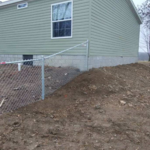
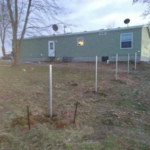
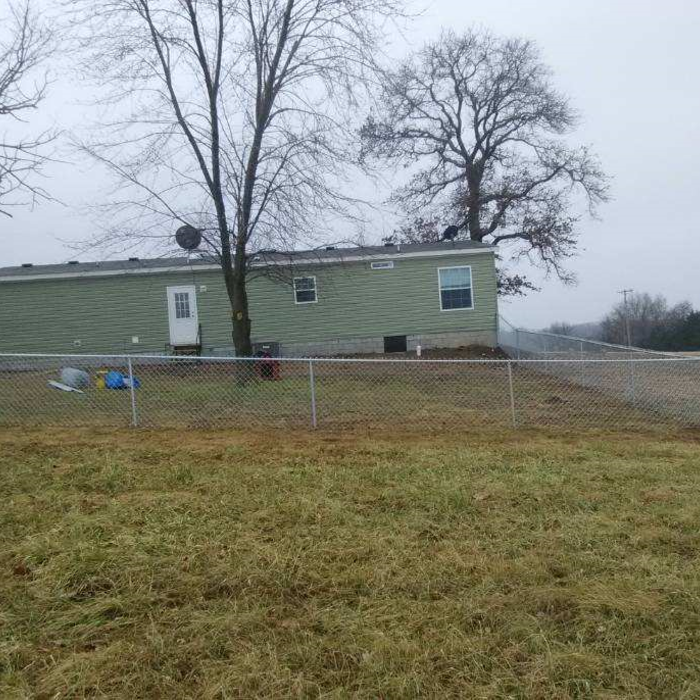
Gallery
1 neighbors recently requested a quote
Nowlin Fencing
4.8(
2
)
Barbed Wire Fence - InstallBarbed Wire Fence - RepairChain Link Fence - Install+6 more

Serving Green Ridge, MO and surrounding areas

In business since 2002

Free estimates

Credit card accepted

"I'm an 80 yr old lady and young Tate Nowlin built us a fence exactly like we wanted. After a delay with our HOA they got the job done in 3 days as they said. We wanted quality products and installation and we got it. Thanks Tate and Logan!"
Response time4 days
Recommended by100%of homeowners
Showing 1-10 of 43
Fencing questions, answered by experts

Green branches are more flexible and easier to work with, but they'll shrink as they dry, which can loosen your fence weave over time—so you'll need to weave them extra tight to account for shrinkage. Some species, particularly willow, may also try to sprout when used green. For these reasons, it’s typically easiest to use branches that have dried for a week or two.

Yes, fence posts need to be installed below the frost line to ensure stability and prevent heaving caused by freezing and thawing cycles. The frost line is the depth at which soil freezes during winter. By placing posts below this line, often around 3 to 4 feet deep or as recommended for your specific region, you reduce the risk of the ground shifting, which can lead to leaning or unstable fences. Adequate depth provides better anchoring and helps maintain the fence's integrity, ensuring it remains secure and upright throughout changing seasons.

Post depth for shadowbox fences should be at least two feet deep plus an additional foot for every foot of fence height above four feet. For a standard six-foot fence, this means a minimum depth of 3 feet. This depth helps to protect the structural integrity of your fence in the face of wind, soil movement, and seasonal ground shifts

Yes, finding compatible materials and finishes for seamless fixes.

One of the best alternatives to a snow fence is to plant a living snow fence of grasses, shrubs, trees, and crops like corn. Another temporary option is using hay bales to create a barrier to disrupt the wind flow, and cause snow to accumulate in specific areas. However, hay bales are not a permanent option, so keep that in mind when choosing what type of snow fence you should install.

The Green Ridge, MO homeowners’ guide to fencing services

From average costs to expert advice, get all the answers you need to get your job done.