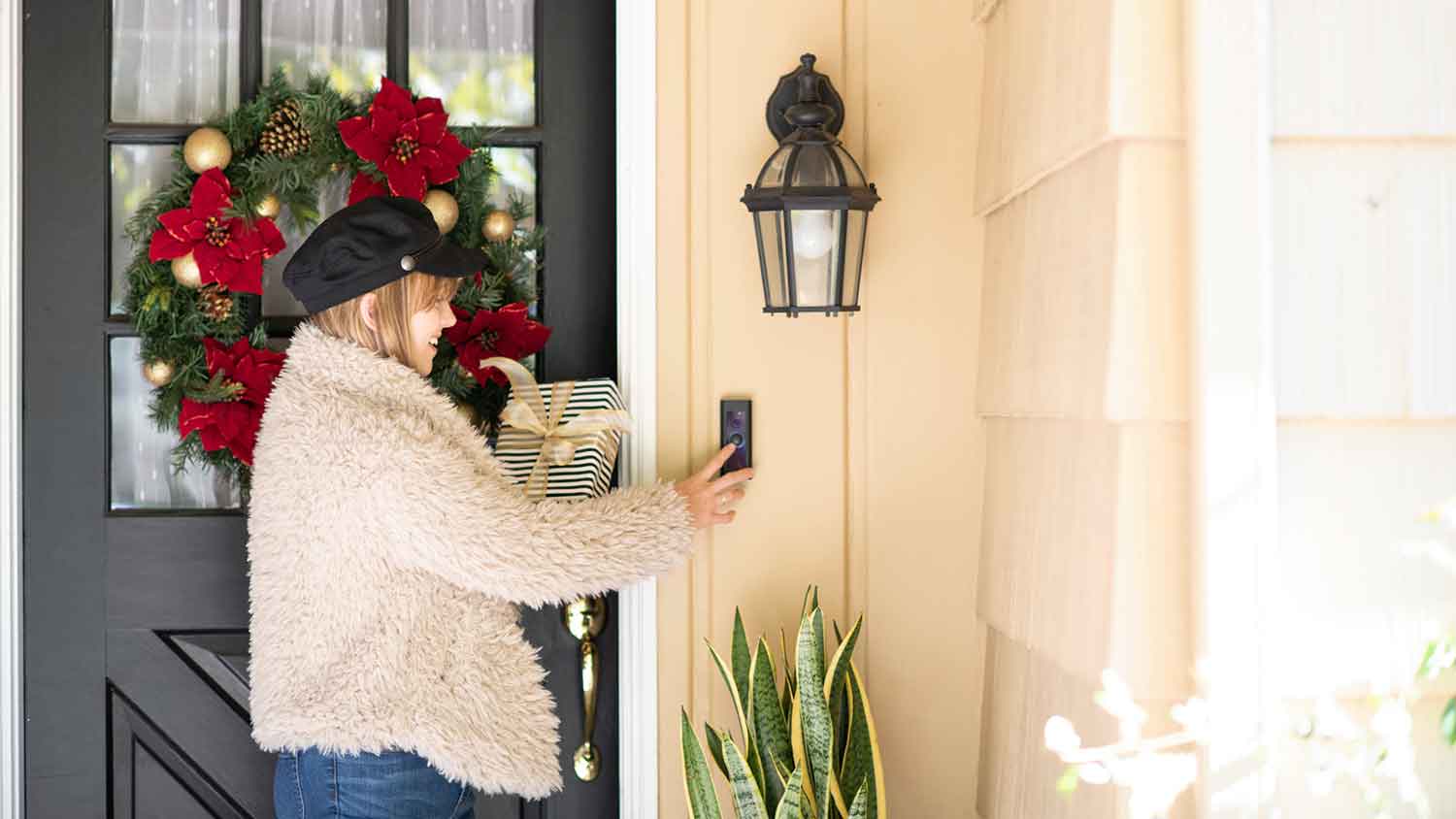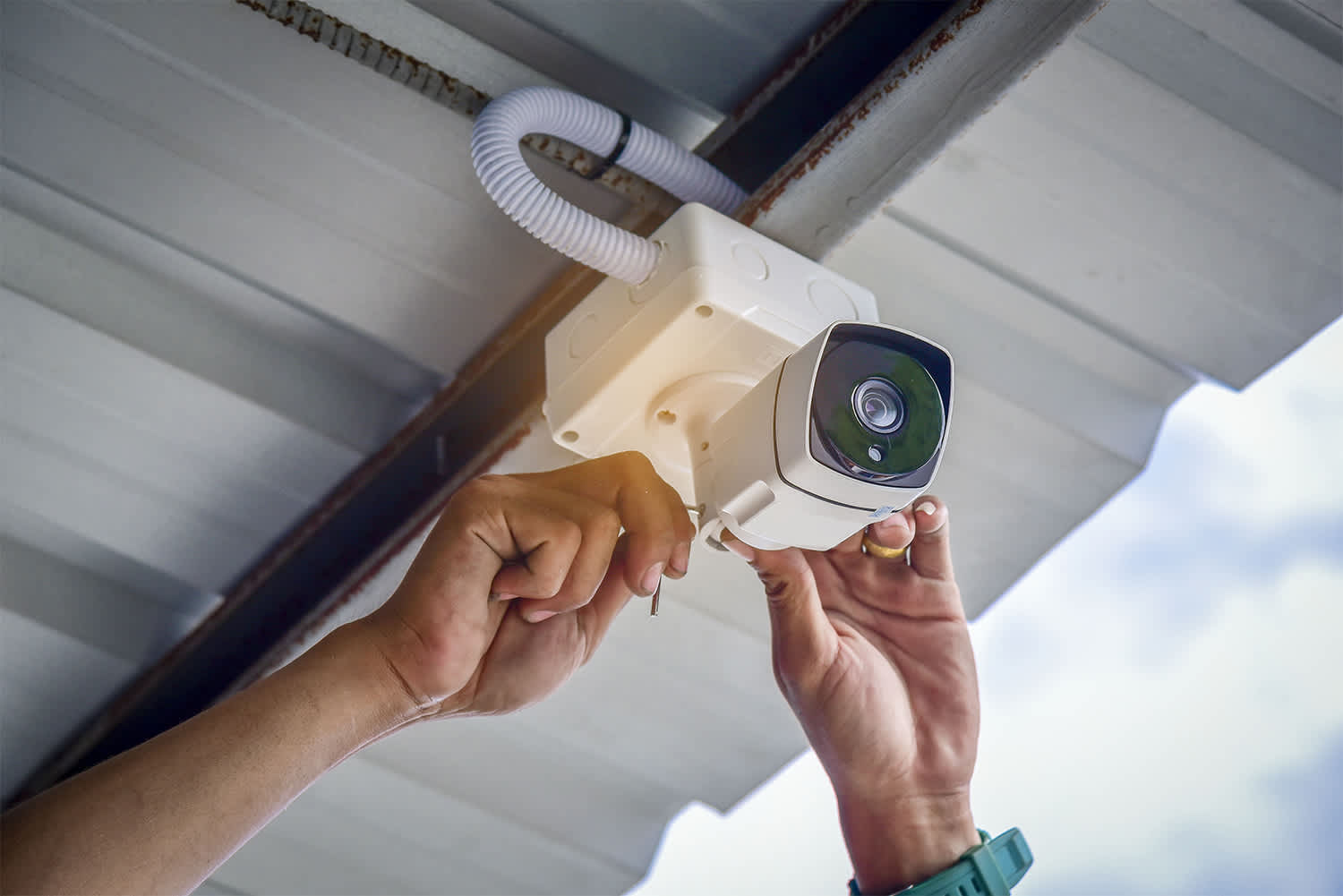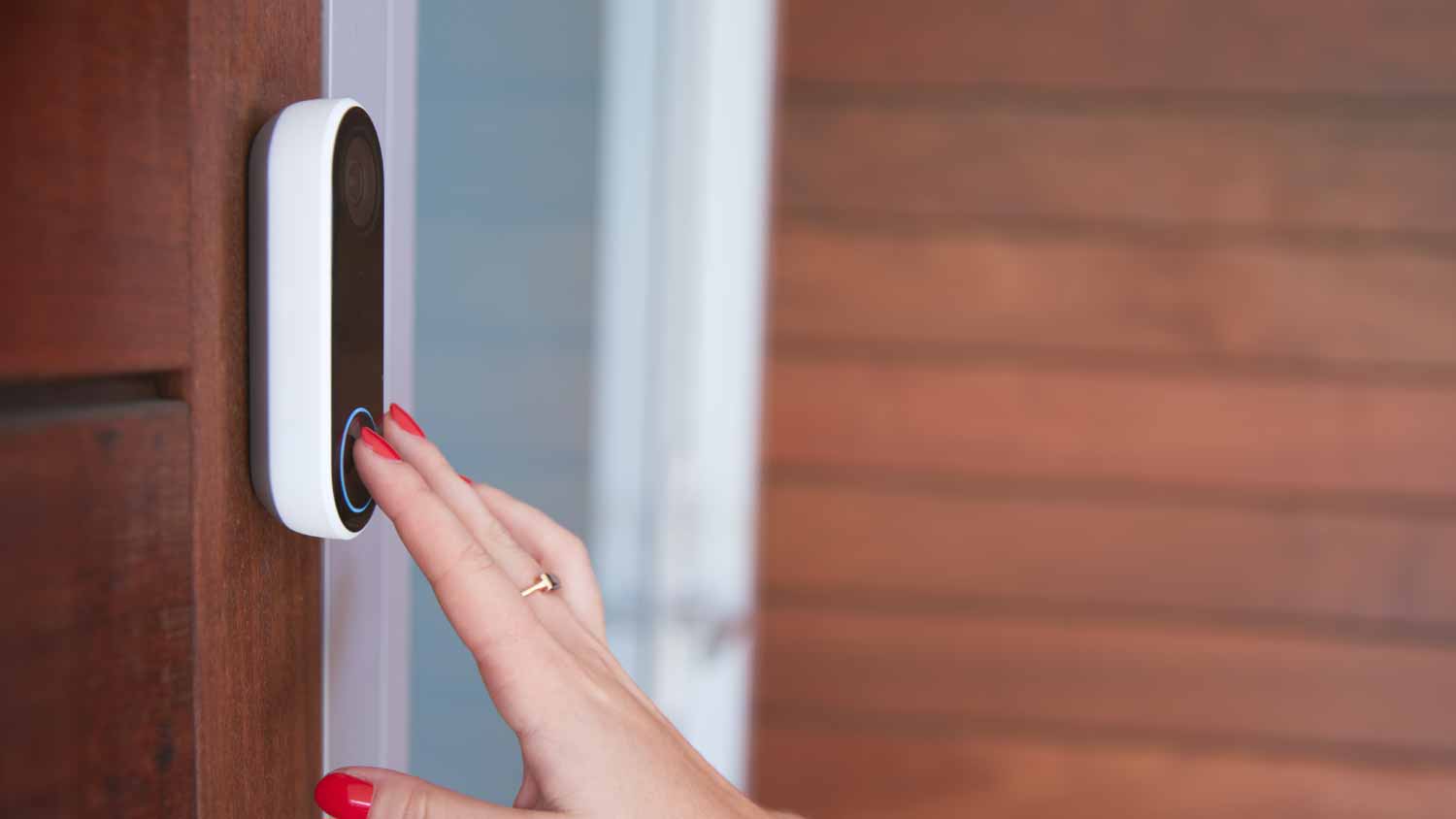





Top-rated doorbell installation pros.

Get matched with top doorbell installation pros in Clever, MO

Enter your zip and get matched with up to 5 pros

Need a pro for your doorbell installation project in Clever, MO?

Select your specific project to find the pro for you.

TRUSTED BY CLEVER, MO HOMEOWNERS

  • Average homeowner rating star icon4.5
    Average homeowner rating
  • Verified reviews icon451
    Verified doorbell installation services reviews

Find Doorbell installation pros in Clever

No results for Doorbell installation pro in

Try adjusting your search criteria.
Doorbell Installation questions, answered by experts

The best type of attic insulation depends on where you live, your budget, and what stage of construction the attic is in. For example, if you're building a house, then structural insulated panels are a worthy investment since they're easy to install during construction and they're the most energy-efficient type of insulation.  

Additionally, if you live in a very warm climate, then you can potentially save quite a bit of money by opting for reflective insulation, which is more affordable than comprehensive insulation but doesn't work well for cool climates. Blown-in, loose-fill, and spray foam insulation are all great options for attics in moderate climates.

Doubling the insulation in your home also doubles the R-value of said insulation. In other words, by adding more insulation, you can reduce the heat loss by half. Most homes benefit from increasing insulation. Older homes, in particular tend to have less insulation as is, so doubling your insulation could drastically reduce your energy bills, keep your home more comfortable, and take the strain off your HVAC system.

Mineral wool has an excellent life expectancy of up to 50 years, provided it's kept dry and free of pests. Compared to fiberglass, with a life span of 20 to 30 years, mineral wool stacks up well for long-term cost savings. Sheep wool maintains a similar life span to fiberglass, while estimates for hemp wool insulation life expectancies are all over the board, ranging anywhere from 20 to 100 years.

While insulation is required for all exterior walls in a house, it is not typically required for interior walls. Local and state building codes mandate that new construction homes have adequate insulation in exterior walls and ceilings to suit the local climate.

However, there are several benefits to adding insulation to interior walls. It is excellent for sound-dampening between rooms and can help with temperature control by maintaining a regulated temperature in specific rooms and lowering heat transfer between adjacent areas. Insulating interior walls can also contribute to the overall energy efficiency of your home.

R-30 insulation is better for higher thermal resistance, but whether it’s "better" depends on the application. R-30 is much thicker and suited for areas like attics or floors in cold climates, where more insulation is required. R-13, on the other hand, is thinner and works well for 2x4 walls or milder climates where less insulation is sufficient. Choosing between R-13 and R-30 depends on the area being insulated and the climate. For example, R-30 provides more insulation but may not fit everywhere in your home.

The Clever, MO homeowners’ guide to doorbell installation services

From average costs to expert advice, get all the answers you need to get your job done.