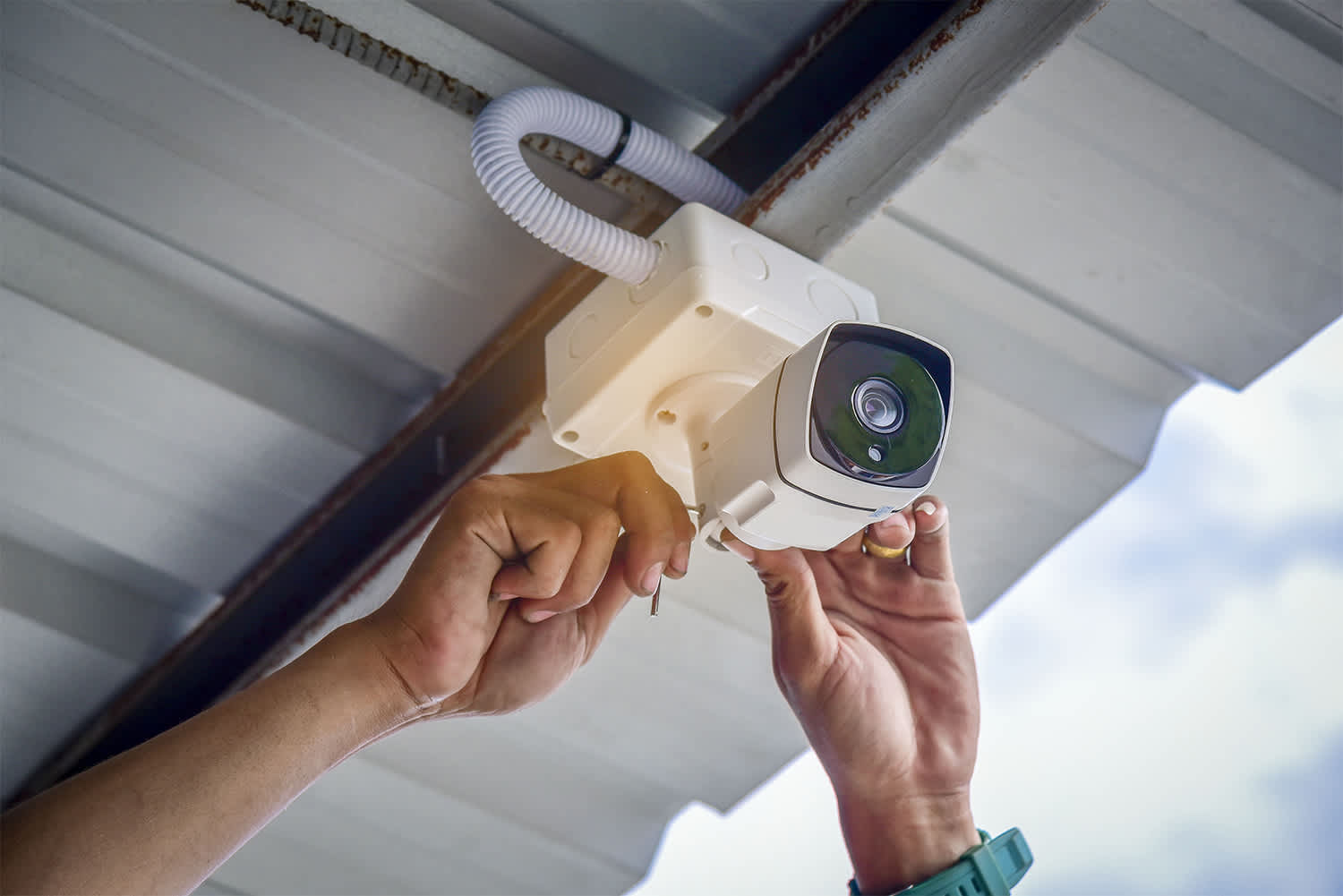








Top-rated doorbell installation pros.

Get matched with top doorbell installation pros in Galena, MO

Enter your zip and get matched with up to 5 pros

Need a pro for your doorbell installation project in Galena, MO?

Select your specific project to find the pro for you.

TRUSTED BY GALENA, MO HOMEOWNERS

  • Average homeowner rating star icon4.4
    Average homeowner rating
  • Verified reviews icon164
    Verified doorbell installation services reviews

Find Doorbell installation pros in Galena

No results for Doorbell installation pro in

Try adjusting your search criteria.
Doorbell Installation questions, answered by experts

Yes, basement insulation needs a vapor barrier due to its susceptibility to moisture seeping in from the outside of the house. You should install a moisture barrier before you install insulation or purchase insulation that comes prebuilt with a moisture barrier to avoid water damage in your insulation and costly mold and water remediation expenses. 

On average, insulating an attic costs about $2,500, with a typical range of $1,500 to $3,500. The final price often depends on the attic's size, with costs generally falling between $1 to $3 per square foot. For example, insulating a 1,800-square-foot attic would likely cost between $1,800 and $5,400.

If the project involves removing old insulation, this can add an average of $900 to the total cost, bringing a full removal and reinsulation project to around $3,000.

Several factors influence the overall cost:

  • Insulation Type: Prices per square foot vary significantly by material.

  • Reflective: $0.50–$1.50

  • Blown-in: $1–$4

  • Batt: $2–$4

  • Loose-fill: $2–$5

  • Spray foam: $2–$5

  • Structural insulated panels (SIPs): $4–$7

  • Project Complexity: Factors like sealing air leaks, poor attic accessibility, and required inspections can add to the cost.

  • Removal Issues: The discovery of mold, asbestos, or pests during the removal of old insulation can substantially increase the price.

Vapor barriers in attics are a bit outdated and most areas no longer recommend them for attic spaces. For vented attics, the best method is usually to install drywall and cover it with latex paint before attaching insulation fiberglass, cellulose, or foam insulation. When renovating an attic to use as a living space, a contractor can guide you on the best way to cover insulation.

The best type of insulation for your home depends on your specific needs, climate, and the area you are insulating. For new construction, structural insulated panels are a highly energy-efficient option that is easy to install during the building process. In very warm climates, reflective insulation can be a cost-effective choice. For cold climates, fiberglass is an excellent option due to its high R-value and resistance to settling over time. Spray foam works well in humid environments because of its moisture-resistant properties. For standard attics, loose-fill, spray foam, or blown-in insulation are all suitable options.

Ductwork should be wrapped in insulation in certain locations. This includes unconditioned interior parts of the home, such as attics, crawl spaces, basement ceilings, and between floors. Duct joints should also be insulated since they're more likely to leak air than other parts of your system. Building codes in some areas also require ductwork to be insulated.

The Galena, MO homeowners’ guide to doorbell installation services

From average costs to expert advice, get all the answers you need to get your job done.