


Top-rated storm shelter pros.

Best storm shelter pros near Bethany, MO

Enter your zip and get matched with up to 5 pros

Need a pro for your storm shelter service project in Bethany, MO?

Select your specific project to find the pro for you.

Top-Rated Storm shelter pros in Bethany - Updated Nov 2026

Girod Construction
New to Angi
Addition to Existing Structure - Build

Serving Bethany, MO and surrounding areas

Approved

In business since 2024

Free estimates

Credit card accepted

We are committed to excellence in every aspect of our business. \nWe uphold a standard of integrity bound by fairness, honesty, and personal \nresponsibility. Our distinction is the quality of service we bring to our customers. \nAccurate knowledge of our trade combined with ability is what makes us true \nprofessionals. Above all, we are watchful of our customers' interests and make \ntheir concerns the basis of our business.

7 neighbors recently requested a quote
Avatar for Home Remodel and Repair
Home Remodel and Repair
5.0(
10
)
Shelter or Outbuilding - Build

Serving Bethany, MO and surrounding areas

In business since 2001

Small jobs welcome

We pride our company on reliability, honesty, great communication, integrity and quality work. We are experts in our trade and will do our best to keep you as educated as we can on your particular task or project. We look forward to earning your trust and your business!

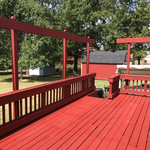
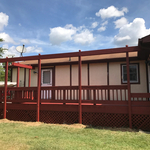
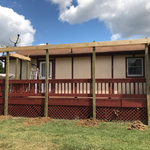
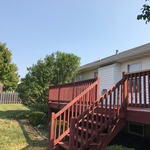
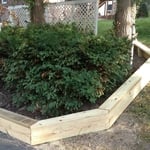
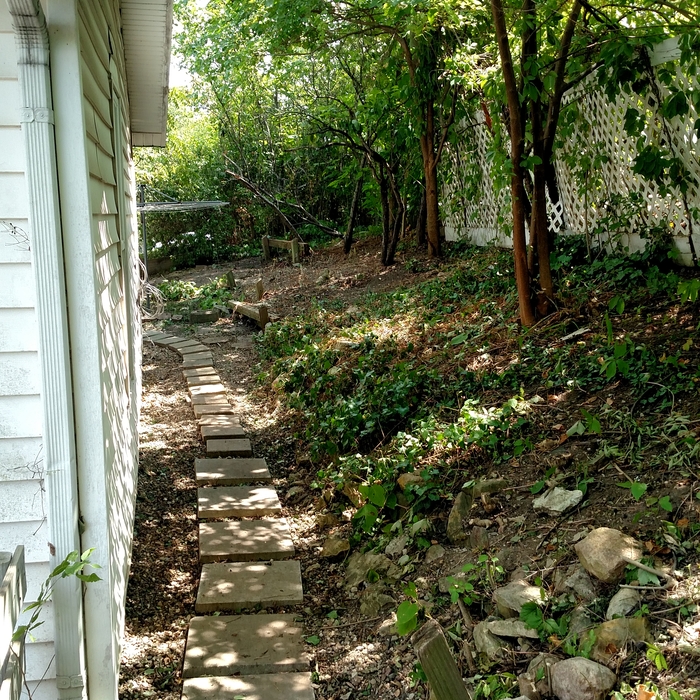
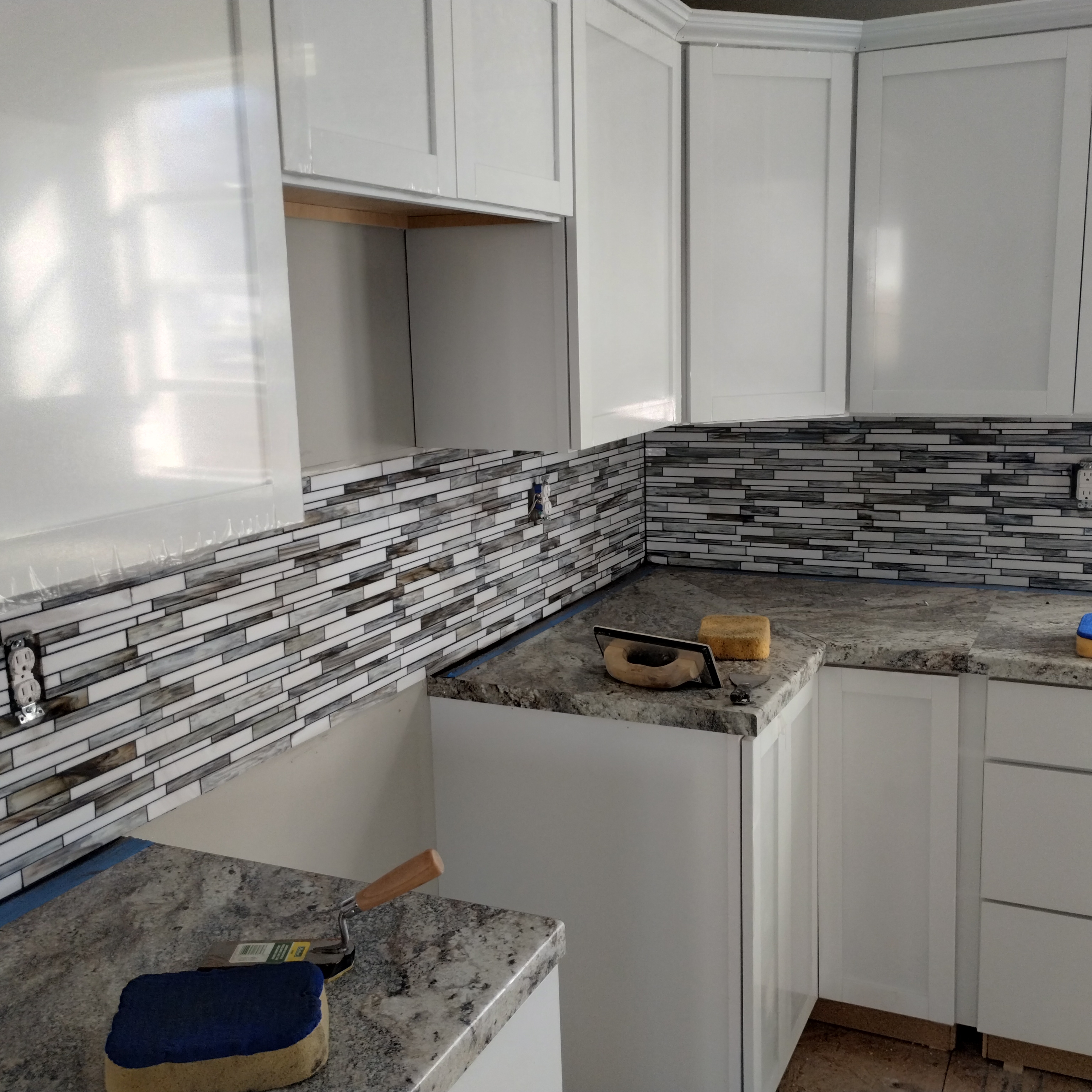
Rustic Flower bed
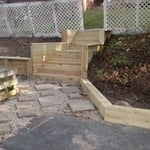
Steps with wrap around flower bed
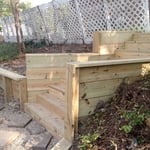
Steps and Retaining wall
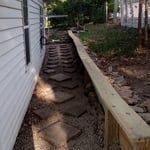
Rustic Retaining wall

+1

Response time2 days
Recommended by100%of homeowners
Showing 1-10 of 32
Storm Shelters FAQs, answered by experts

Storage lockers are much smaller than storage units. A stocker locker is typically about 20 square feet, whereas storage units can stretch up to 200 square feet. Storage lockers are an affordable option for small-storing needs like decluttering or moving. 

Yes, in most cases, you will need a building permit or planning permission to install a carport. The exact requirements depend on your local municipality's laws and regulations. Generally, any carport that is permanently affixed to the ground, whether standalone or attached, will require a permit. Some premade carports may not require one, but it's crucial to verify. If you hire a professional installer, they will likely handle the permitting process. If you are building it yourself, you must contact your local building department to determine what permits are needed before starting your project.

There are several ways to save money and keep costs down when building an outdoor kitchen. Building on an existing patio can reduce the cost of a new foundation, especially if it's close to the house. You can also save on utility line installation by opting out of a sink and using a built-in propane or charcoal grill. If you have the skills, tackling parts of the project yourself—like building or finishing cabinets, installing fixtures, and constructing seating—can lead to significant savings. Reusing appliances you already have is another great way to cut costs. Finally, consider starting small with just the essential components and adding more features over time as your budget allows.

A 2,000-square-foot modular home costs an average of {AvgCost}, and most homeowners pay between {AvgRangeMinCost} and {AvgRangeMaxCost}, depending on the customization options you choose and the quality of materials. If you choose a more custom design and go all out with upgraded finishes, you could pay as much as $600,000.
Yes, you can finance new construction, though the process often requires a different type of loan than one for an existing property. There are several financing options available:

  • Construction-to-Permanent Loan: This is a common option where a single loan covers the building costs and then converts into a traditional mortgage once construction is complete and you move in.
  • Construction Loan (Stand-Alone): This type of loan provides funding only for the duration of the construction project. Once the house is built, you will need to pay the loan in full, typically by securing a separate, standard mortgage.

  • Builder Financing: Some custom homebuilders offer their own financing options, which may only require a down payment to begin the building process.

  • Bridge Loan: This can be a useful short-term loan to fund your new construction while you are in the process of selling your old home.
  • Home Equity Options: If you are building a second home, you might be able to use a home equity line of credit (HELOC) or a cash-out refinance on your current property.

It's also important to be aware that some lenders may have restrictions on financing for DIY house builds, so be sure to verify that you can secure financing before starting your project.

The Bethany, MO homeowners’ guide to storm shelter services

From average costs to expert advice, get all the answers you need to get your job done.