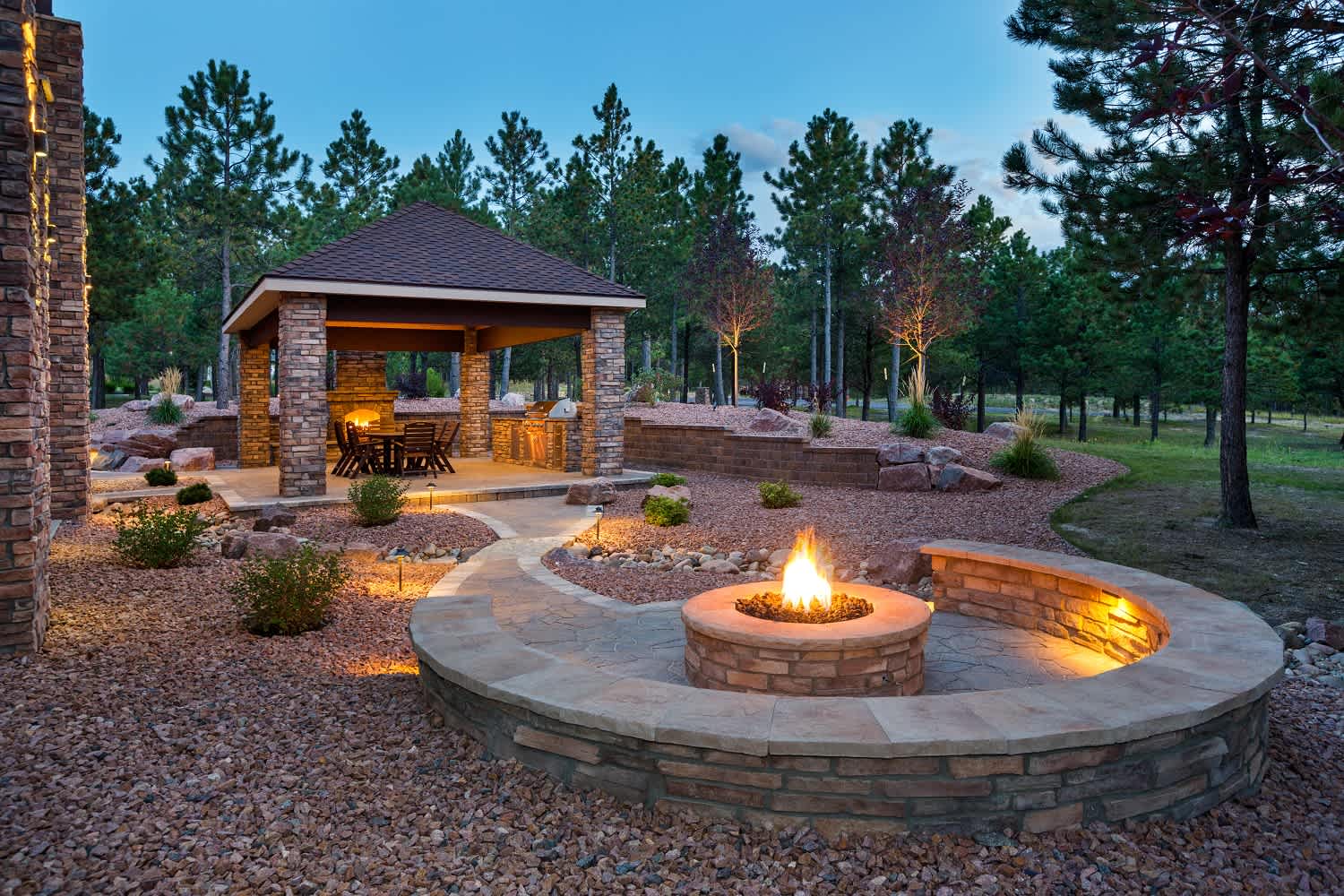







Top-rated fire pit installation pros.

Get matched with top fire pit installation pros in Zimmerman, MN

Enter your zip and get matched with up to 5 pros

Need a pro for your fire pit installation project in Zimmerman, MN?

Select your specific project to find the pro for you.

TRUSTED BY ZIMMERMAN, MN HOMEOWNERS

  • Average homeowner rating star icon4.4
    Average homeowner rating
  • Verified reviews icon393
    Verified fire pit installation services reviews

Find Fire pit installation pros in Zimmerman

No results for Fire pit installation pro in

Try adjusting your search criteria.
Fire Pit Installation questions, answered by experts

If a storm or other natural disaster occurs in your area, you may not have immediate access to help. According to the U.S. Federal Emergency Management Agency, keep a disaster preparedness kit in your home with enough essentials to sustain your family for at least 72 hours. Put this in an easily accessible location to have it handy in case anything unthinkable happens.

A chimney requires both a cover and a cap, but these parts often get confused with one another. A chimney cover seals the top of the chimney around the flue pipe to prevent water from entering the chimney. A chimney cap is a piece that sits above the flue to prevent animals, debris, and water from entering the flue.

Yes, mineral spirits are flammable and may spontaneously combust at temperatures of 200 degrees F or more. Storing them in well-ventilated spaces and disposing of them the proper way are the best ways to prevent mineral spirits or anything contaminated with them, like towels and rags, from going up in smoke.

While your forced heating system runs, it can pick up dirt, dust, hair, and other particles from inside your house. Changing your furnace filters regularly is key to preventing this debris from getting stuck in your ducts and swirling around your home. With some types of furnaces, there’s also the potential for carbon monoxide leaks. However, staying up-to-date with your HVAC inspections and installing carbon monoxide sensors can help mitigate this risk.

No, but they both serve distinct life-saving purposes. Smoke detectors primarily sense the presence of smoke, typically caused by a fire, and emit loud alarms to alert occupants to evacuate. In contrast, carbon monoxide detectors monitor the levels of carbon monoxide gas, an odorless and colorless but deadly substance produced by incomplete combustion of fuels. When CO levels become dangerous, CO detectors sound alarms to warn inhabitants of potential poisoning risks. 

The Zimmerman, MN homeowners’ guide to fire pit installation services

From average costs to expert advice, get all the answers you need to get your job done.