"I just pay $75 you never know who's going to come out. They do everything electrical. Just about everything is covered except the septic tank. I had an air conditioner replaced. It went great, all I had to do was pay for the freon. He didn't charge e more than what was needed."
We are well diversed Excavating company with 20 years of experience in multiple fields. I personally value going above and beyond than what most normal contractors consider good enough, and we stride to constantly go above and beyond for our clients. Fair priced and honest, give us a call for free estimates.
It only takes a few days for a septic tank to fill with water after a pro has pumped it. This is completely normal, and the water is a vital part of your septic system’s wastewater treatment process. The water that fills your tank days after pumping is not the same as the tank being filled with waste. You shouldn’t have to pump your septic system more than once every three to five years unless you have a tank that’s too small for your home’s water output or there’s a problem with your leach field.
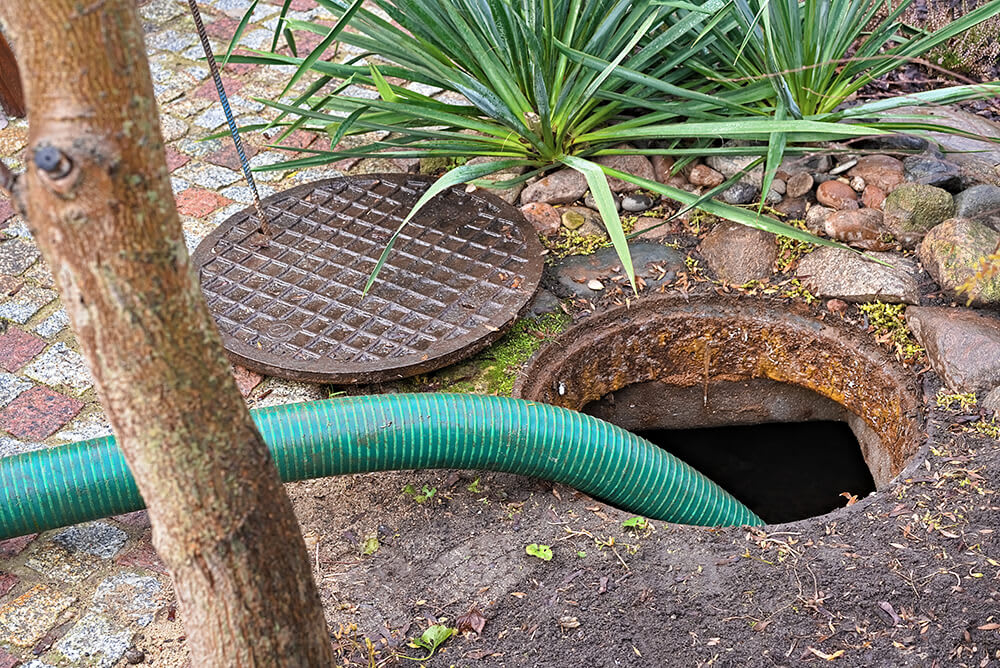
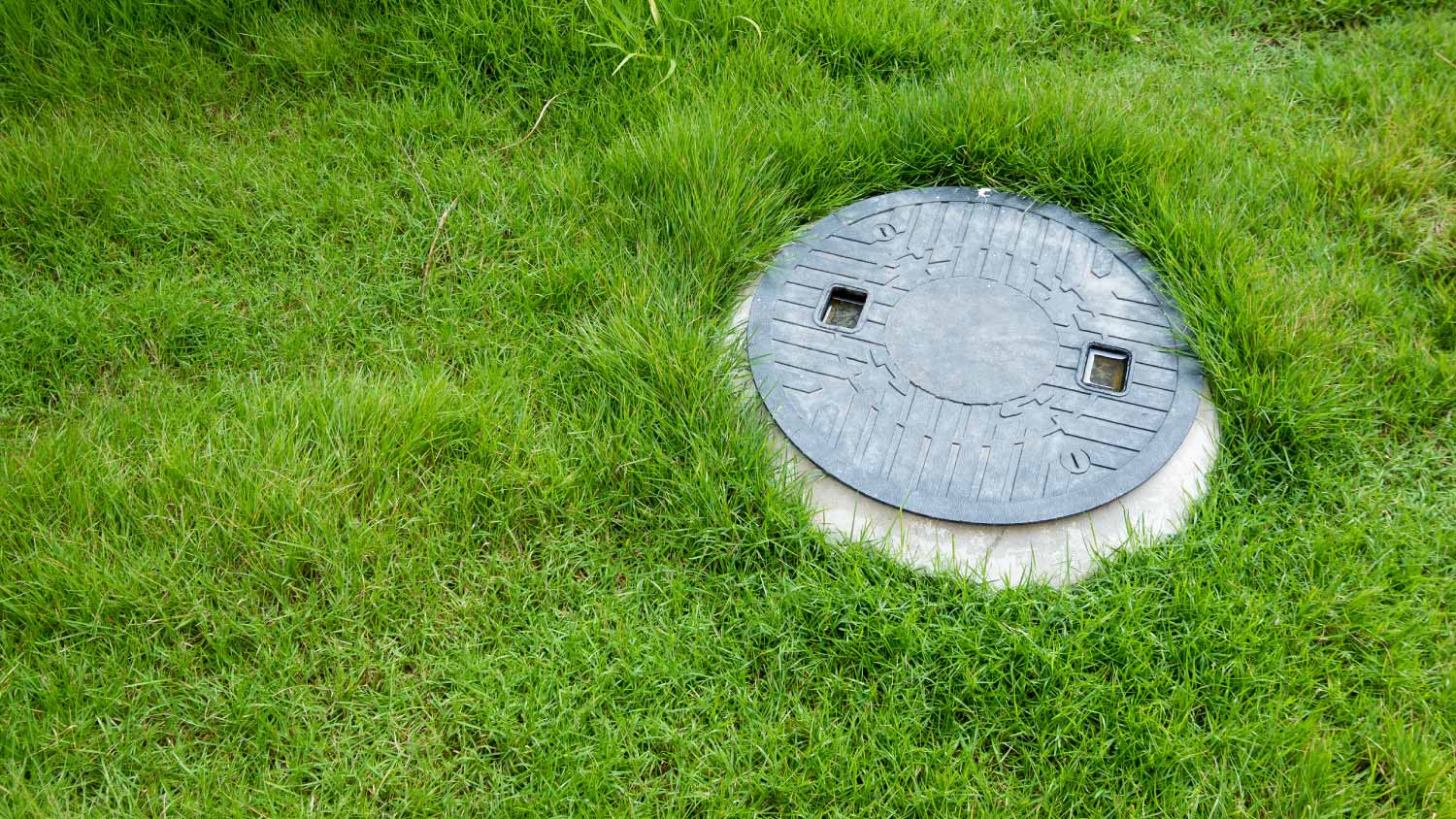
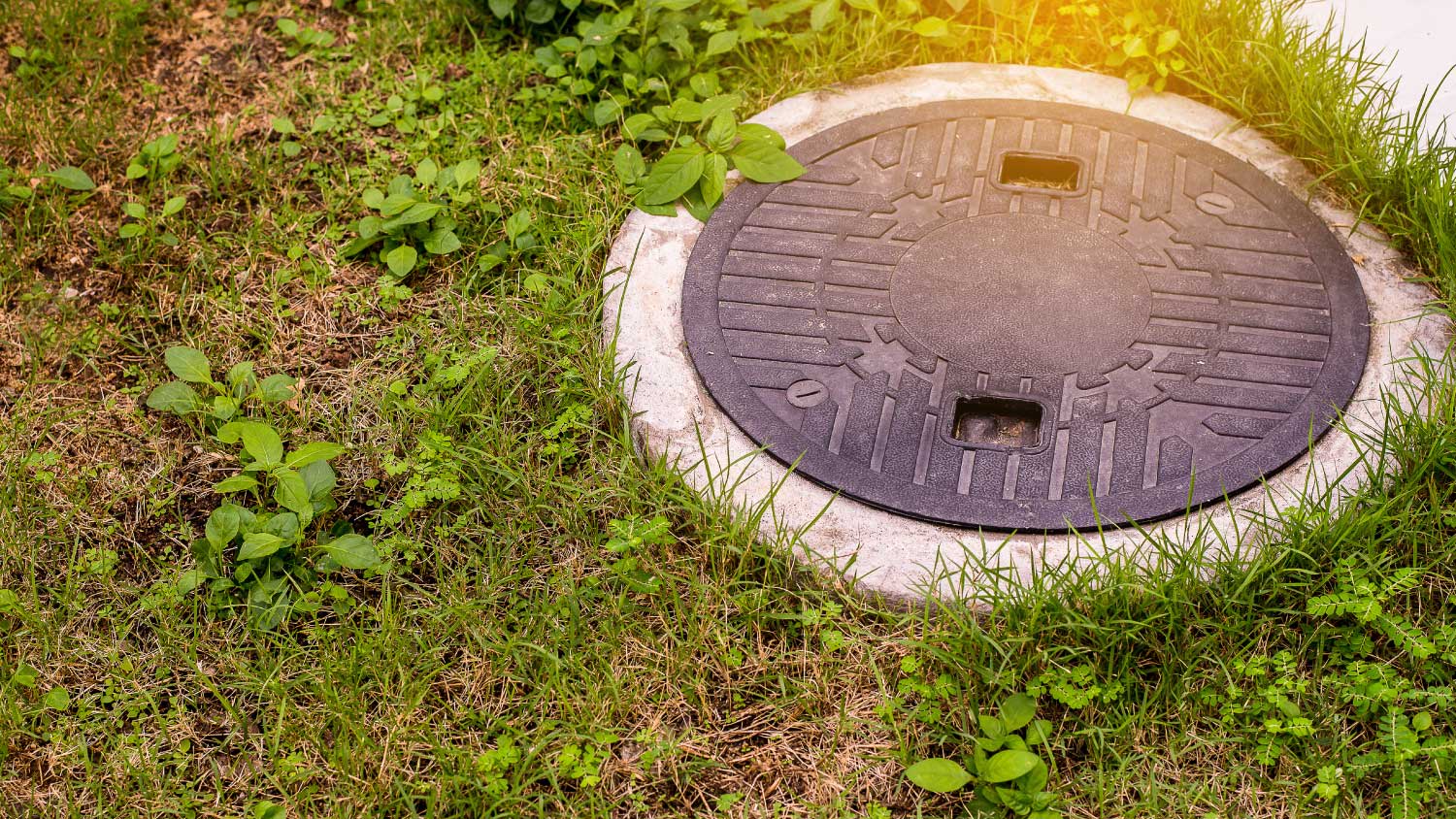
According to the Environmental Protection Agency (EPA), septic tanks must be located a decent distance from places subject to flooding or surface ponding. Additionally, septic tanks should be installed on level ground so that the waste can properly settle in the tank. Most tanks are located 10 to 20 feet away from the home. More specific requirements vary by location, so call a local septic pro or your local health department for more information.
Common signs that your well pump is failing include fluctuating or consistently poor water pressure, sputtering water from faucets, or a complete loss of water. Other indicators are unusual noises coming from the pump, the pump running continuously, dirty or cloudy water, or a sudden, unexplained spike in your utility bills. While some issues, especially after a power outage, might be resolved by simply restarting the power or priming the pump, persistent problems suggest a more serious issue. If you notice any of these red flags, it is recommended to call a professional well pump service to inspect the system and determine whether it needs to be repaired or replaced.
Ideally, you should conduct a mechanical inspection and a bacterial or well water inspection yearly. While you might be able to push it off to every other year, it’s best to have peace of mind, especially when it comes to something that you use so frequently.
If you experience repeated gastrointestinal illness in the household, it's important to test the well water more regularly for quality and cleanliness to check for bacteria.
To keep your septic tank healthy, be careful of what you flush and be conservative with water usage, as even flushing too much water down the drain can throw off the septic system’s delicate balance. Never flush anything but human waste and toilet paper down your toilet, and be sure to have the tank inspected and pumped every two to five years, depending on the size of your household and your water usage.
The Waseca, MN homeowners’ guide to septic tank services
From average costs to expert advice, get all the answers you need to get your job done.
Caring for your septic system is crucial to ensuring its long life. But how much does it cost to pump a septic tank? We explore the different cost factors.
A damaged septic system can leak odors and sewage, so repairs are urgent. Find out how much septic tank repair costs based on repair type, tank size, and more.
Septic tank risers make it easy to access your septic tank when it’s time for routine inspection, maintenance, and pumping, saving you precious time and labor costs.
Septic tank sizes vary depending on the size of your home, how many people live there, how much water you use, and more. Read on to learn how to determine the right size for you.