






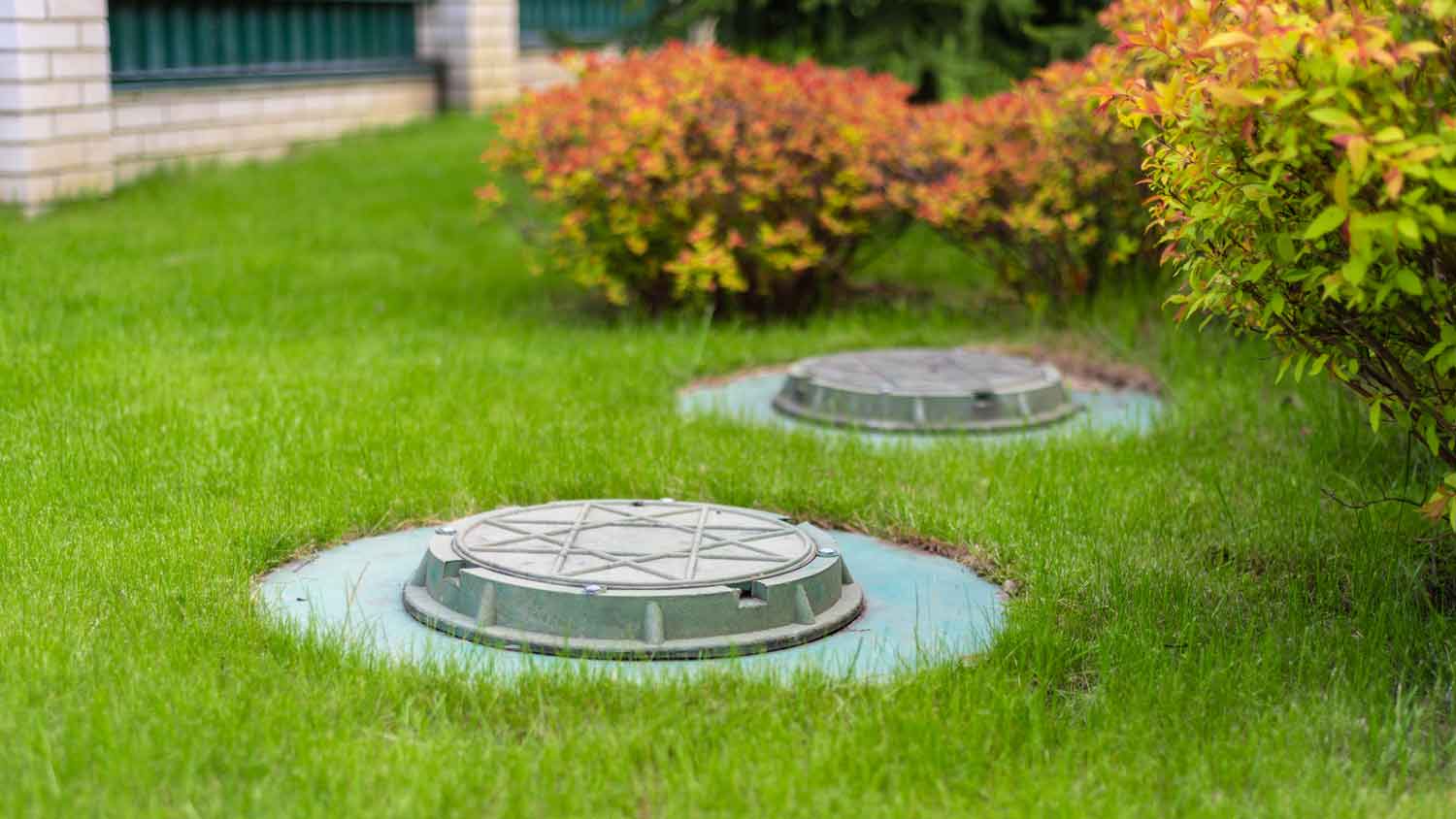
Top-rated septic tank pros.

Get matched with top septic tank pros in Saint Clair, MN

Enter your zip and get matched with up to 5 pros

Need a pro for your septic tank service project in Saint Clair, MN?

Select your specific project to find the pro for you.

Find Septic tank pros in Saint Clair

Avatar for American Home Shield – Home Warranty
American Home Shield – Home Warranty
3.5(
5,688
)
Septic System - Install or ReplaceSeptic System - Install or Replace - For BusinessSeptic System - Repair+3 more

Serving Saint Clair, MN and surrounding areas

In business since 1971

Credit card accepted

"The technician emptied the freezer, which was in the basement, to work on the part that needed repair. Then he neglected to put anything back into the freezer, including a turkey I had bought for Christmas and a rack of ribs. Two days after he left, I went out of town for two weeks. The turkey actually exploded and spewed its liquid all over everything, which had to be discarded. I let AHS know and they couldn't even bother to call me or follow up on this. I'm considering not renewing my contract with them because of the quality (or lack thereof) of many of the providers they send."

Additional Photos
Additional Photos
Additional Photos
Additional Photos
Additional Photos

+2

Recommended by65%of homeowners
Septic Tanks questions, answered by experts

A septic system's lifespan typically ranges from 15 to 40 years, with a common average of 20 to 30 years. The longevity heavily depends on the tank's material, maintenance diligence, and usage habits. With proper care, lifespans can reach the upper end of this range.

Lifespan by Tank Material:

  • Concrete: 20 to 40 years

  • Plastic or Fiberglass: 30 to 40 years

  • Steel: 15 to 20 years

To maximize your system's lifespan, follow these maintenance best practices:

  • Regular Pumping and Inspections: Have the tank pumped every three to five years and schedule professional inspections regularly.

  • Mindful Usage: Only flush human waste and toilet paper. Avoid putting items like cat litter, paper towels, cigarette butts, fats, grease, oils, or coffee grounds down your drains.

  • Avoid Chemicals: Do not pour harsh chemicals into the system.

  • Water Conservation: Reduce the amount of wastewater your system has to process.

  • Protect the Drain Field: Avoid driving or building heavy structures over the drain field area.

The smallest septic system available for purchase typically includes a 750-gallon tank. However, the smallest size you can legally install is determined by local regulations, and many areas require a minimum capacity of 1,000 gallons. The cost to install a small septic system generally ranges from $2,910 to $13,900. Before proceeding, it is essential to check with your local health department or consult a local septic professional to confirm the minimum legal requirements in your area.

There are three layers of wastewater in a septic tank: scum (solid waste that floats to the top of the wastewater), liquid (the relatively clean liquid wastewater in between the two other layers), and sludge (solid waste that falls to the bottom of the wastewater). The buildup of sludge is one of the main reasons septic tanks need to be pumped. If the tank is more than 1/3 of the way full with a combination of sludge and scum, it’s time to call a pro for pumping.

While dry wells can be effective for managing rainwater, they have several disadvantages. They can become clogged with sediment, especially after large storms, which reduces their effectiveness and can be difficult to clean. Dry wells are also not suitable for all soil types; they will not function properly in soil with low permeability. Additionally, if a dry well is not large enough to handle the amount of rainfall in your area, it can overflow. For gravity-flow models, the water may disperse very slowly, depending on the well's depth and the soil's permeability.

The purpose of a septic tank is to allow solid wastes to separate out of the wastewater using time, gravity, and other natural biological processes. If your septic tank is too small, it might be overwhelmed by solid waste and unable to accomplish this task—and if it’s far too large, there won’t be enough liquid in the tank to nurture the necessary bacteria to aid in the breakdown process.

The Saint Clair, MN homeowners’ guide to septic tank services

From average costs to expert advice, get all the answers you need to get your job done.