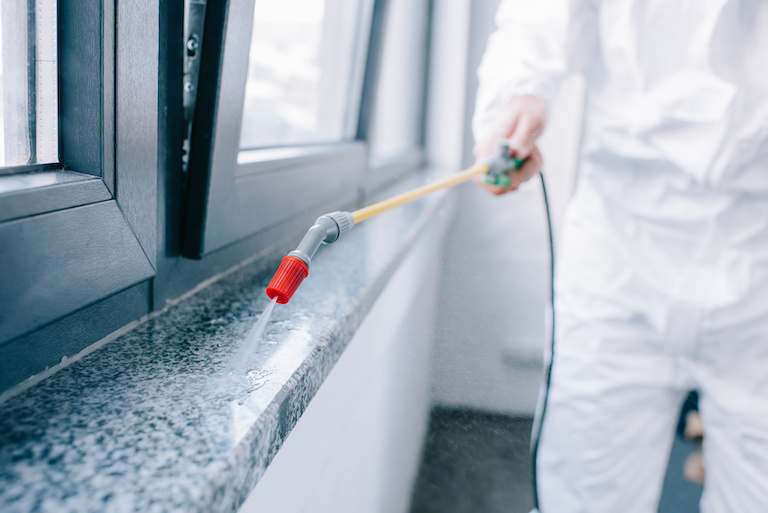
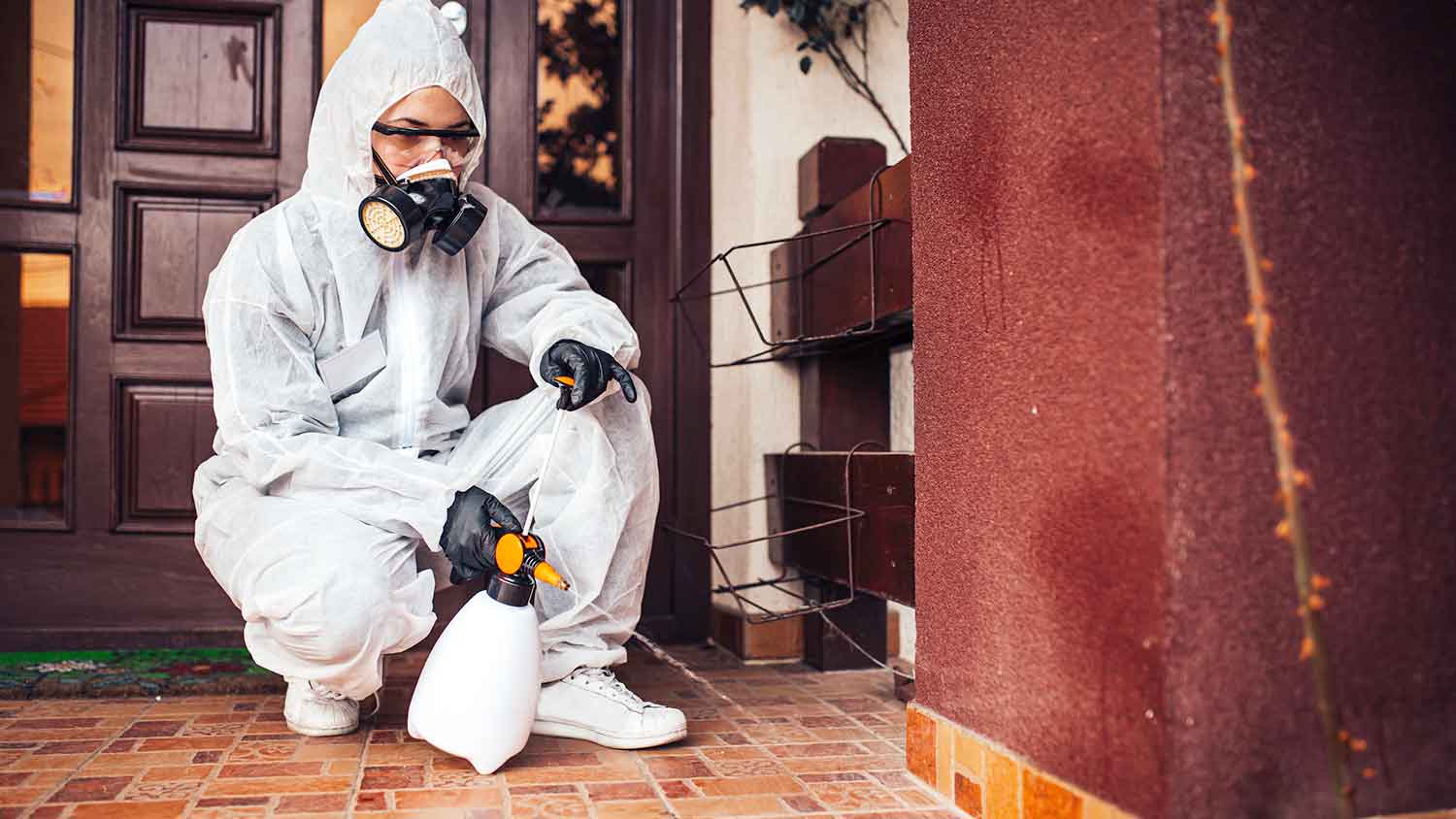
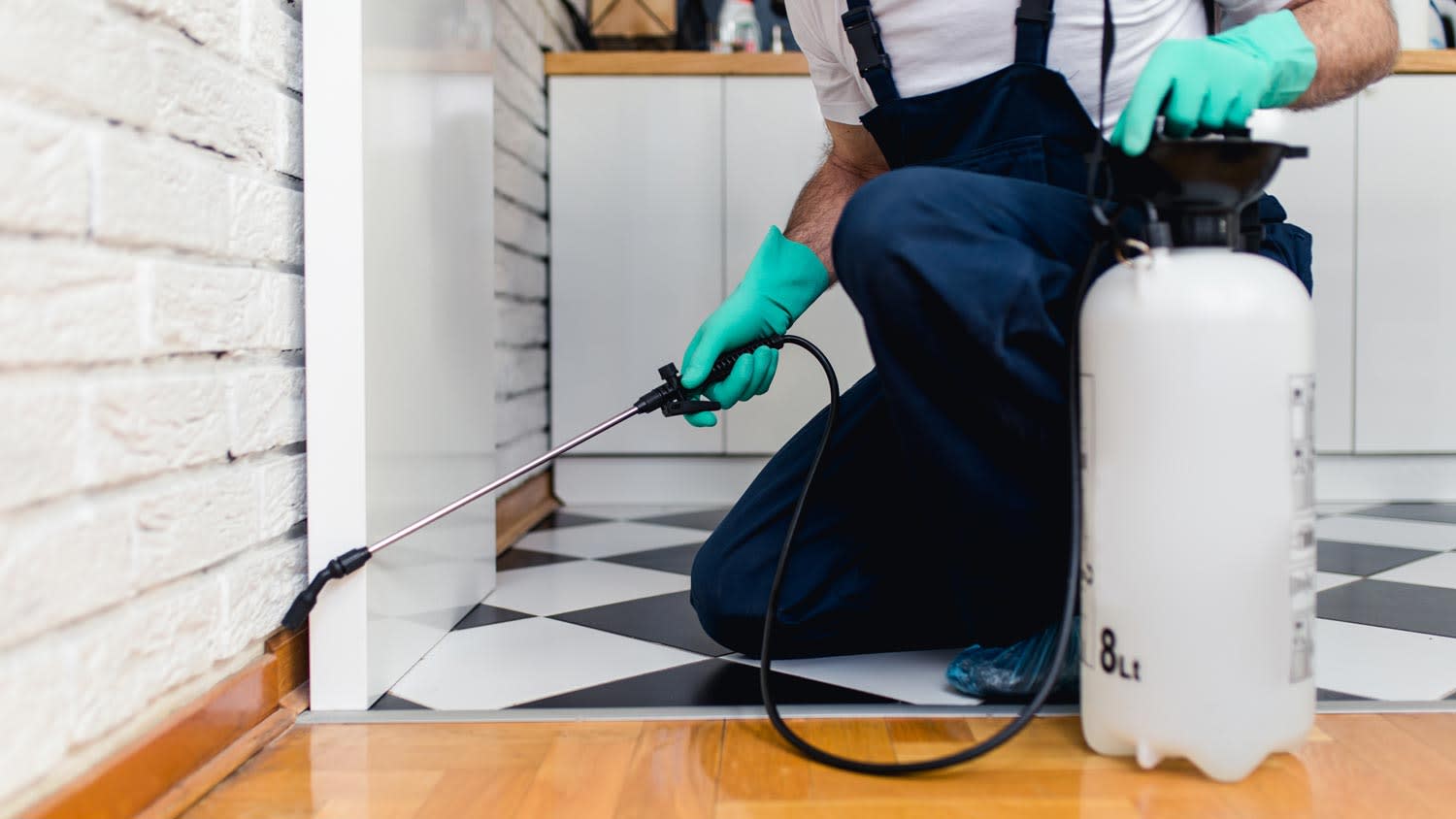
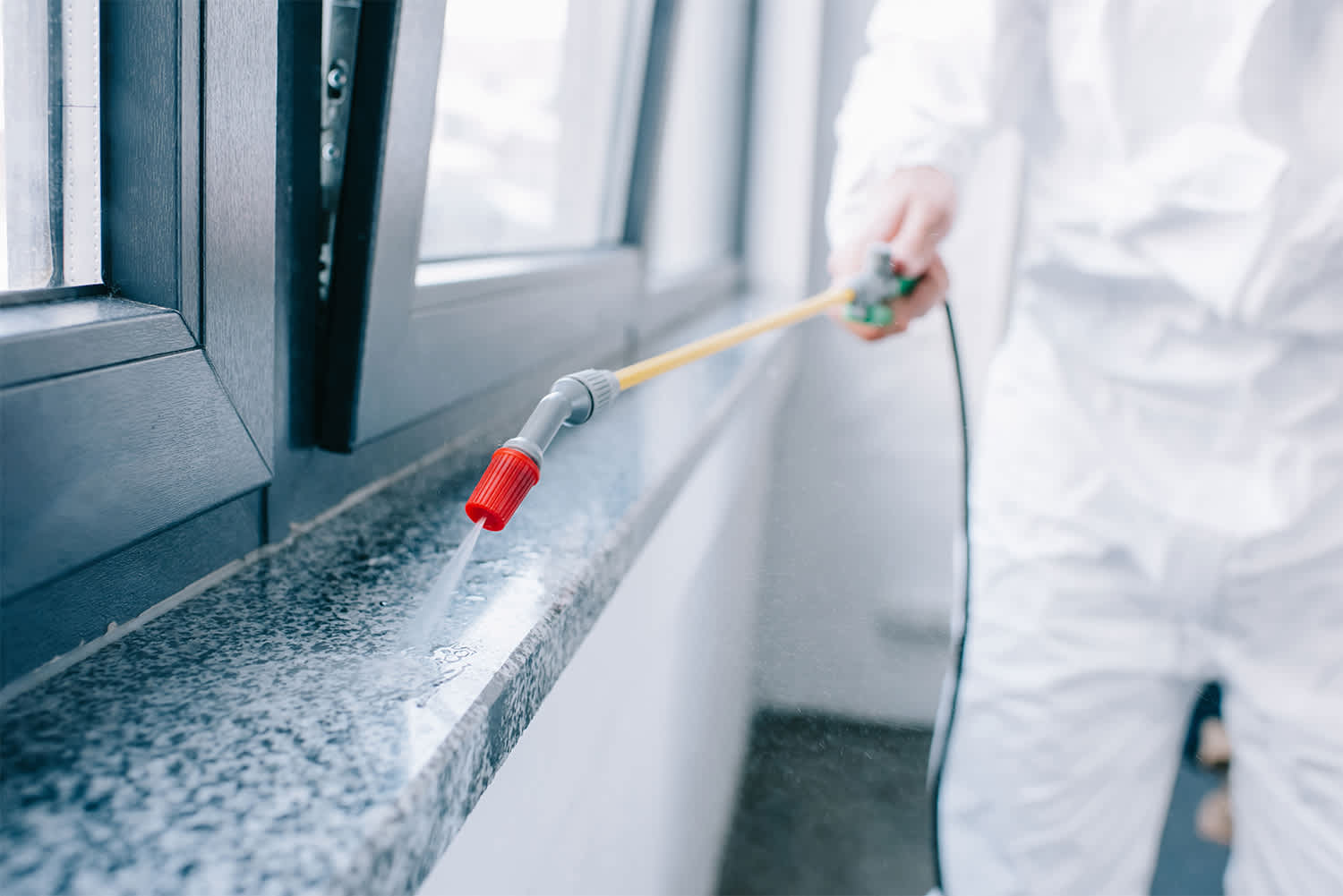
Since 1932, Presto-X has been providing expert pest control services guided by the enduring principles of providing world class service to our customers and taking care of our colleagues. Presto-X covers your home or business with expert knowledge, professionally licensed and trained technicians, and exemplary service designed specifically for you.
"United Air Temp was able to procure a replacement furnace controller board in a couple of days and Zachary was out within 4 days of the initial visit. The furnace now works very well."
Hi, my name is Braydon, and I’m a Pest Control Technician with Plunkett’s Pest Control. If you ever have any questions about insects, rodents, or pest issues in general, feel free to reach out. I’m always happy to help!
As a general rule, if you hear an animal in your attic, don’t assume it will stay there. Animals are drawn to warmth and food sources, which could lead them to other parts of your house. In particular, it’s likely that small pests such as rats and mice that only need tiny gaps to squeeze through will end up in your walls and ductwork. Larger animals like raccoons may be limited to an enclosed attic.
Water bugs won’t actively chase you, but they earned the nickname “toe-biters” for good reason. Water bugs are highly defensive. They typically rest an inch or so below water, waiting for prey. But if they feel threatened by a human that gets close, they may inject the person with a harmless venom from their legs, which may feel like a bite.
Poison will kill small rodents and can seem like the quick and easy way to get rid of them. But—in addition to its inhumane nature—poison has some drawbacks. First of all, if you have small children or pets in the home, setting out poison isn't the best idea, as your pets or children could ingest it.
Poisoned mice and rodents don't die instantly. Instead, it can take several days for the poison to work its way through their system. In the meantime, there's a chance that a predator, such as a cat, fox, or other mammal, will eat the poisoned rodent and become poisoned themselves.
If you’re dealing with a bee colony on your property, you might wonder if they’ll leave naturally over time. The answer depends on their circumstances. Bees often relocate if the hive becomes overcrowded, food is scarce, or they face a threat. With that said, if a hive’s location is safe, warm, and with plentiful food sources, they are unlikely to relocate on their own, and the hive may persist for many generations.
You might be tempted to call your local municipality to remove animals from your property, such as a groundhog burrowing in your yard or raccoons getting into your trash cans. However, they typically only remove domestic animals like dogs and cats from properties, or sick and injured wildlife that pose a public safety risk or health threat, such as a rabid animal. They typically do not capture or remove healthy wildlife.
Animal removal professionals have the tools, knowledge, and skills to trap and remove wild animals adequately and humanely. They also can relocate them correctly.
The Ruthton, MN homeowners’ guide to pest control services
From average costs to expert advice, get all the answers you need to get your job done.