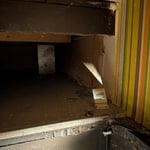
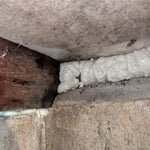
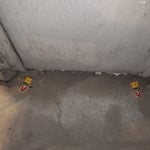
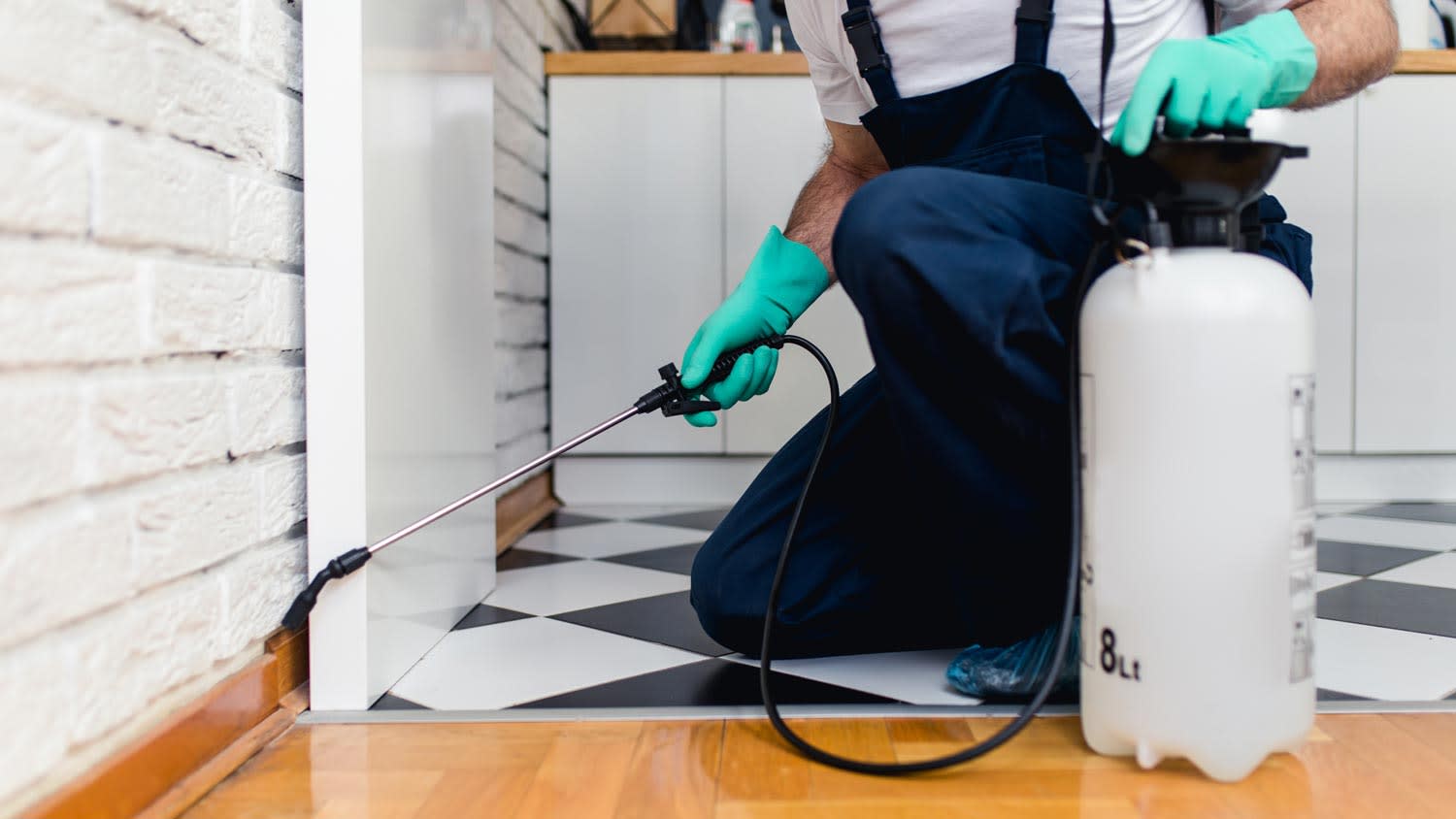
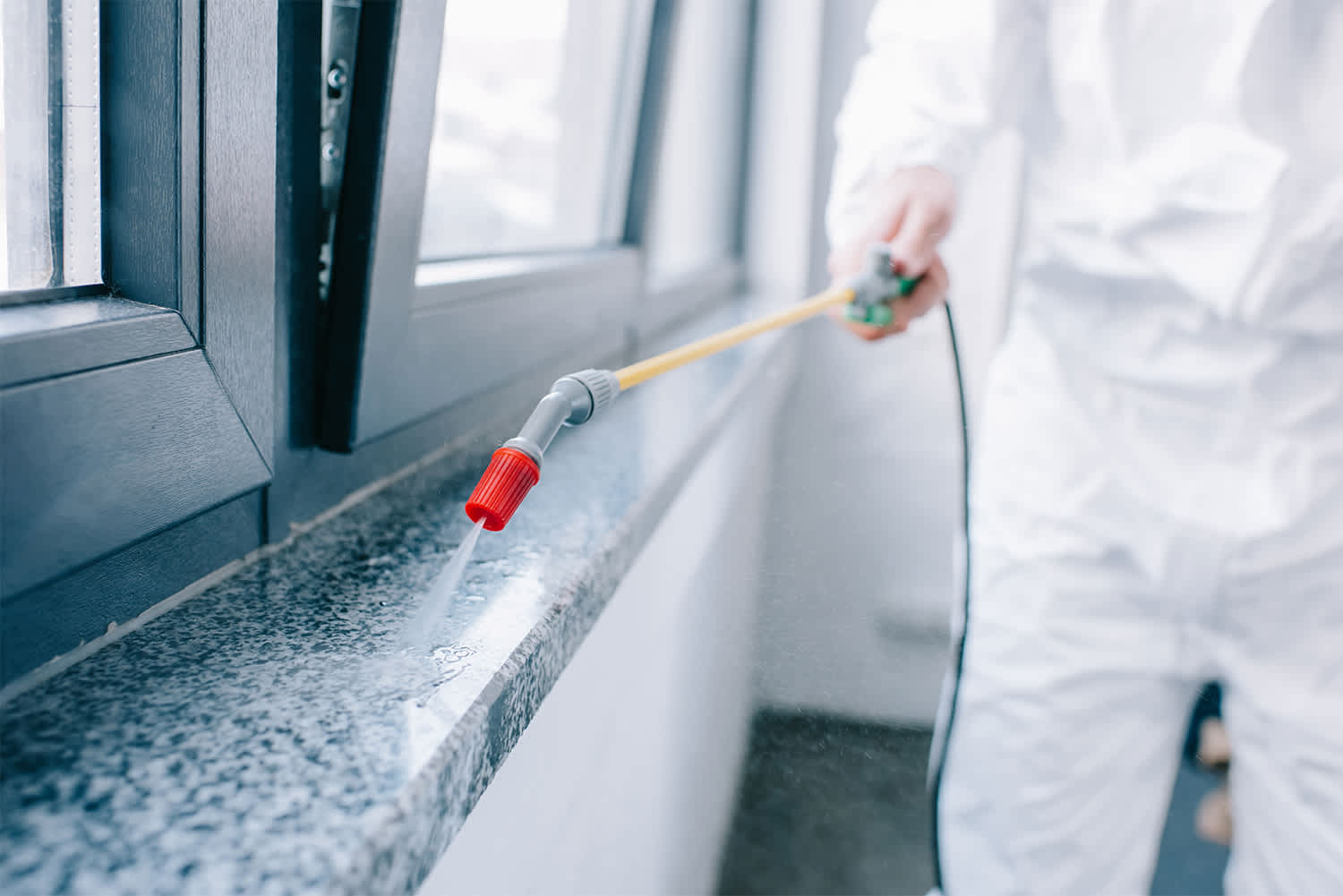
"Very knowledgeable guy who seem to know what he’s doing. Don’t know results of spraying. Have had much rain since. Will have to see if it worked. Terminex will spray again the beginning of next month."
"Zach with Tubbs Pest Management was able to remove many hornets nests on our home. We found them hard to get to, and he was able to remove them quickly and with ease! Would 100% use him again!"
"United Air Temp was able to procure a replacement furnace controller board in a couple of days and Zachary was out within 4 days of the initial visit. The furnace now works very well."
Hi, my name is Braydon, and I’m a Pest Control Technician with Plunkett’s Pest Control. If you ever have any questions about insects, rodents, or pest issues in general, feel free to reach out. I’m always happy to help!
To find a quality professional and avoid pest control scams, it's important to do your homework before you hire. Start by reading customer reviews or getting a direct recommendation from a friend, neighbor, or family member. Once you have a shortlist of top-rated companies, verify that each pro is licensed and insured. It’s also a good idea to get multiple price quotes from vetted pros to find the best deal.
Yes, professionals use humane and safe methods. Inform your provider of any specific concerns before treatment.
No, ground bees are not detrimental to the health of your lawn. In fact, the small holes created by ground bees can actually offer beneficial aeration which moisturizes and nourishes the ground. Additionally, ground bees are highly regarded as vital pollinators, meaning they help plants to reproduce. Unless you’re battling a severe infestation, leaving ground bees undisturbed can boost the health of your yard and the environment.
They’re a nuisance, but silverfish aren’t nearly as dangerous as other pests like cockroaches, mice, termites or bed bugs. They don’t carry diseases that humans or pets can catch, and they don’t cause widespread destruction like termites or rats. Silverfish are small and find it very easy to get inside any exposed foodstuffs. Like weevils, you may find them in unprotected flour, cereal, grains, bread boxes, chip packages and more. They will happily nibble fabric and paper as well, so they can cause damage to furniture, clothing, books, bedding, curtains and other materials.
Having a few spiders in your home is okay and in many cases can be beneficial. Spiders can help reduce the presence of other pests, such as flying gnats and mosquitos. If you fear that you have a venomous spider living in your house or a large infestation, you should hire a spider exterminator to help you remove it.
The Canby, MN homeowners’ guide to pest control services
From average costs to expert advice, get all the answers you need to get your job done.