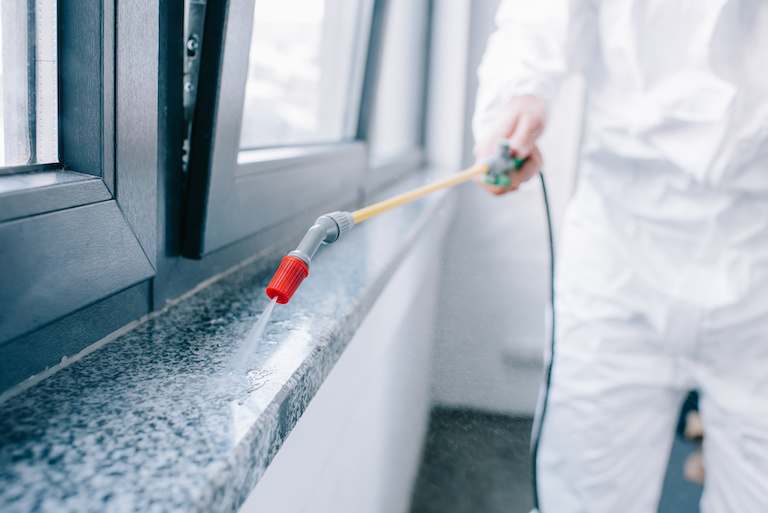
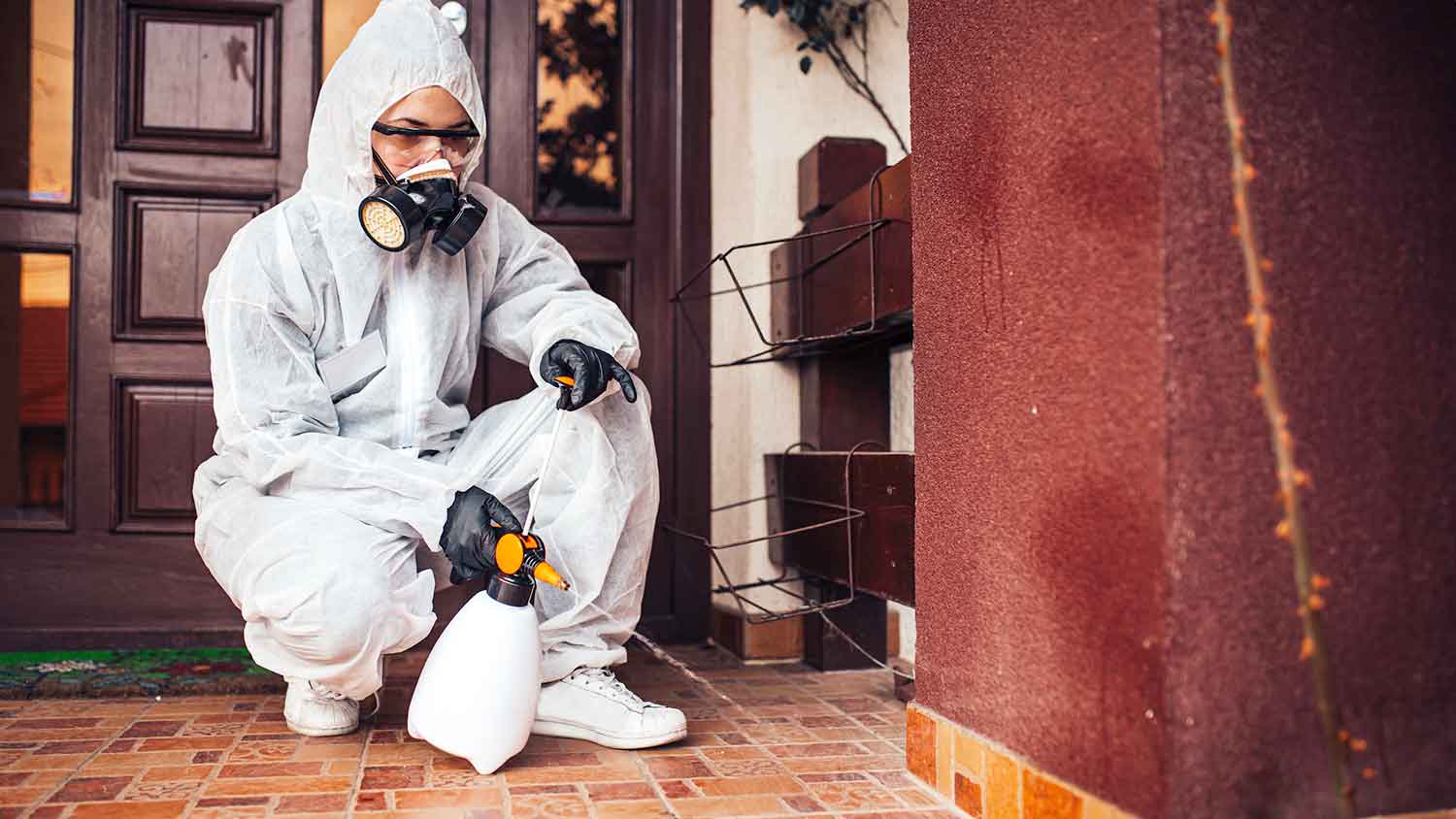
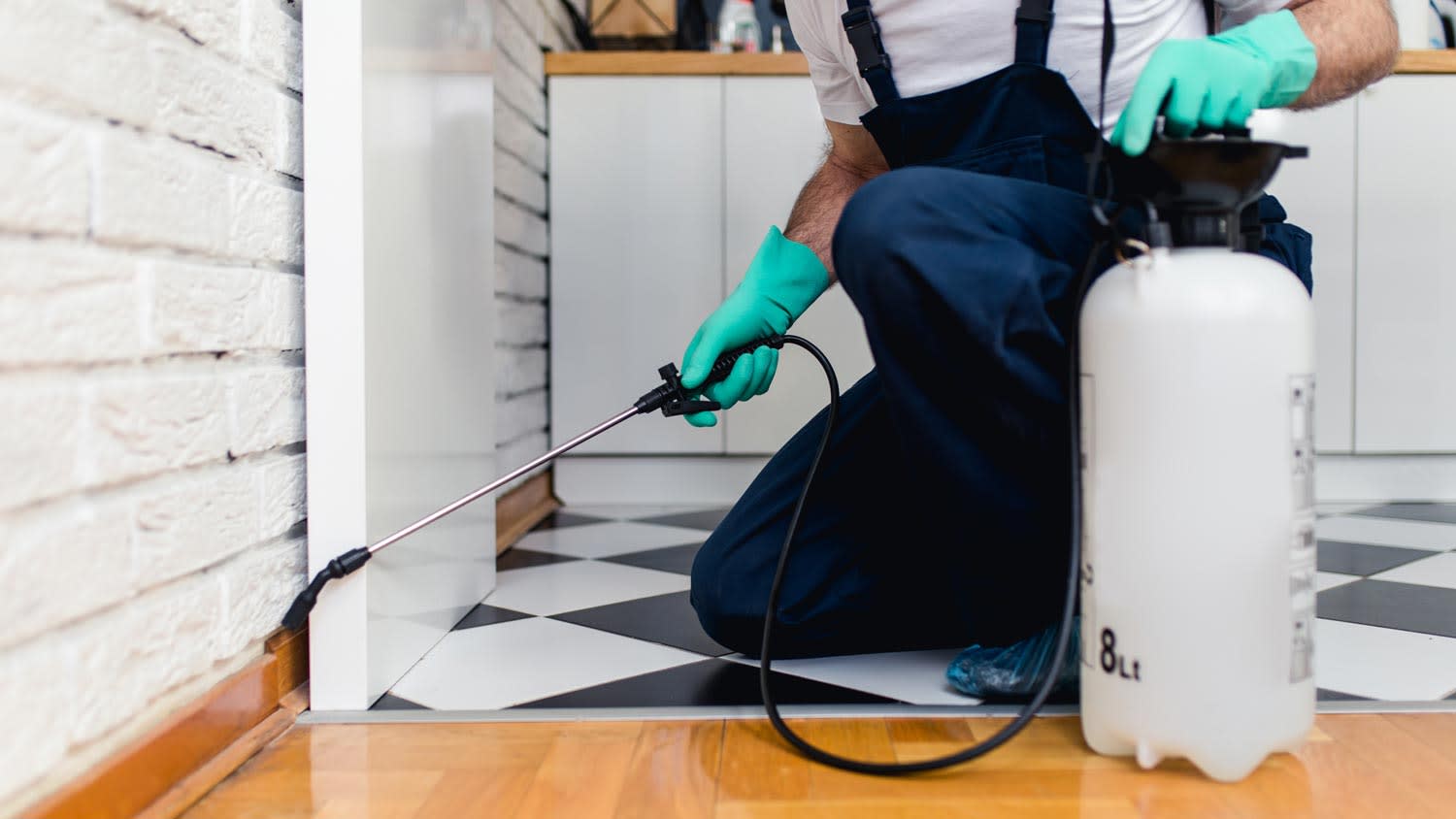
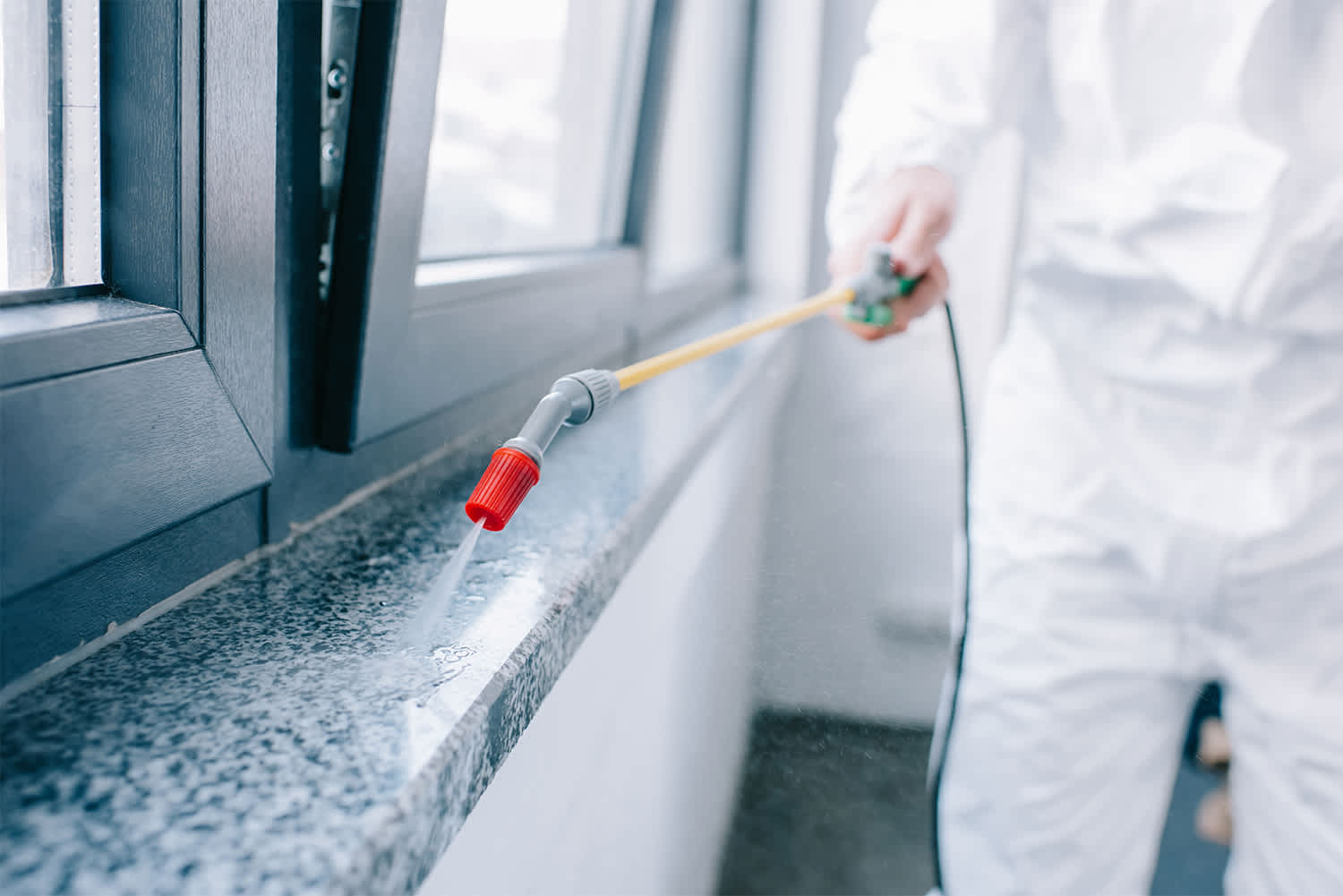
"Very knowledgeable guy who seem to know what he’s doing. Don’t know results of spraying. Have had much rain since. Will have to see if it worked. Terminex will spray again the beginning of next month."
"United Air Temp was able to procure a replacement furnace controller board in a couple of days and Zachary was out within 4 days of the initial visit. The furnace now works very well."
Hi, my name is Braydon, and I’m a Pest Control Technician with Plunkett’s Pest Control. If you ever have any questions about insects, rodents, or pest issues in general, feel free to reach out. I’m always happy to help!
It’s unlikely true water bugs will get into your home plumbing system. You may find them in gutters, rain barrels, or open irrigation on your property. If there are bugs near your indoor pipes, leaky sinks, or other moist places, they are probably Oriental cockroaches. Consult a pest control professional to determine the pest hiding out in your plumbing system.
Spraying for mosquitos is better than fogging. A mosquito barrier spray is designed to linger on surfaces and kill mosquitos for up to three weeks, and repeated visits from your pest control pro can keep mosquitos out of your yard all season long. Fogging is a short-term fix that only works for about 72 hours and doesn't kill mosquito larvae or eggs. If you’re concerned about the environment, a natural mosquito repellant may be better than either fogging or spraying.
Aside from a warm, cozy place to curl up, you might wonder what attracts mice to your home. Several items attract mice, including: Birdseed Pet food Water Cereal and whole grains Food scraps from the composting bin Open trash cans High-fat and high-sugar foods Unused cars—they make great homes for chilly mice Insulation in the attic Clutter Brush from your yard, including leaves, sticks, wood, and shrubs (so mice can make nests) Overgrown trees or bushes—mice love to leap from branches onto the roof Indoor nesting materials, including cloth, paper, tissues, and toilet paper Tiny cracks in the siding or foundation
Wasps tend to be more aggressive and defensive than bees. Both will sting to defend themselves or their colony or nest. But many bees have barbed stingers, which means they can’t pull them out of the skin after stinging, allowing them to sting only once. When provoked, wasps can sting multiple times, making them a more menacing pest.
The best termite treatment depends on your specific infestation, home, and budget. According to the Environmental Protection Agency (EPA), the most common professional treatments are soil-applied barrier treatments, like liquid termiticides, and termite baits. Bait stations are placed in the soil and work by moving poison back into the colony to kill the queen. For infestations that haven't fully taken root, barriers and targeted termiticides are often the most effective options. Additionally, preventative measures such as moisture removal and installing physical barriers to protect vulnerable wood are important, particularly during construction or remodeling. It is best to work with a termite professional to determine the right treatment for your situation.
The Slayton, MN homeowners’ guide to pest control services
From average costs to expert advice, get all the answers you need to get your job done.