



Top-rated patio cover pros.

Get matched with top patio cover pros in Goodview, MN

Enter your zip and get matched with up to 5 pros

Need a pro for your patio cover service project in Goodview, MN?

Select your specific project to find the pro for you.

Find Patio cover pros in Goodview

Patio Covers questions, answered by experts

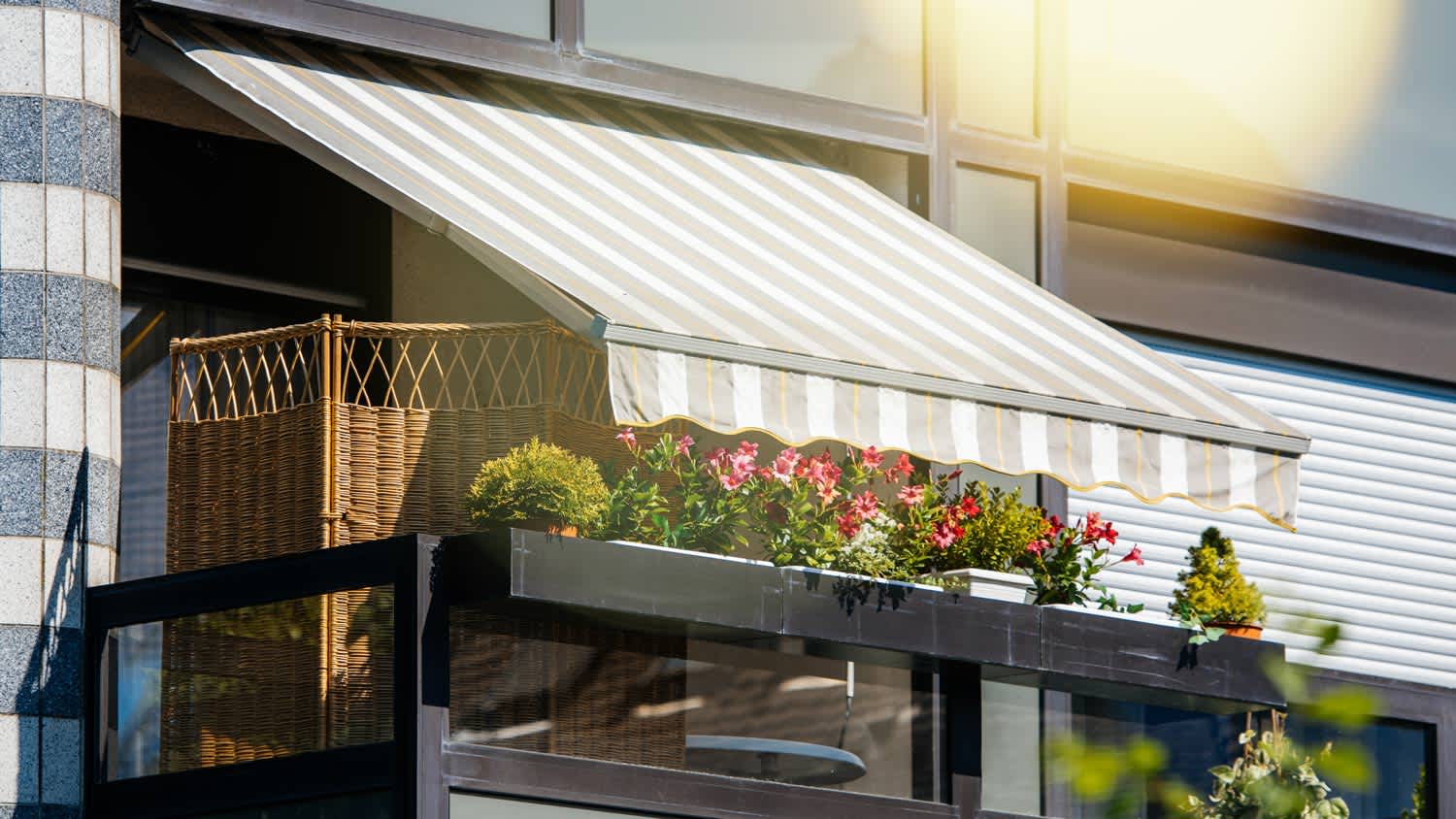
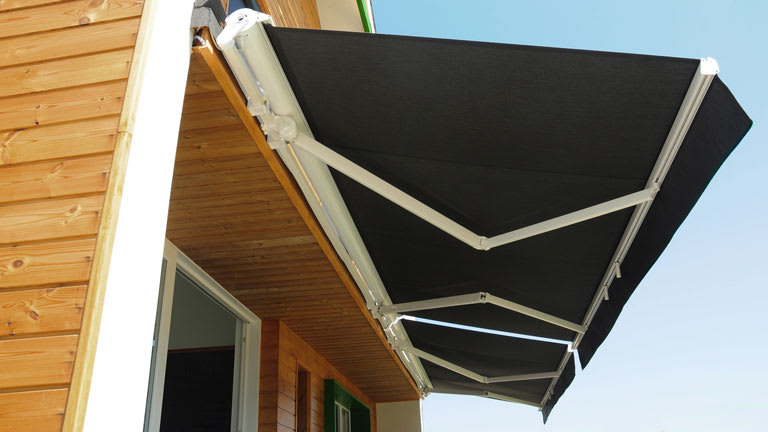
It’s best to keep your awning retracted if winds are 25 miles per hour or more to make sure your awning doesn’t sustain irreparable damage due to wind. Some awnings can take winds up to 30 miles per hour without any damage, but it’s best to consult the manufacturer’s guidance. A good rule of thumb is if it’s too windy for you to comfortably stand outside, it’s time to bring the awning in.

Hurricane fabric is a temporary form of hurricane protection that offers an alternative to boarding up windows or installing traditional storm panels. It is installed over windows, doors, and other openings before a storm. When installed properly, hurricane fabric is tested and proven to protect homes from Category 5 hurricanes, which can have winds over 157 miles per hour. It is intended to block the majority of wind and rain and protect against water, debris, and projectile damage. While the fabric is exceptionally durable, windows can still break if hit directly by high-velocity debris. Compared to other options, hurricane fabric is more protective than hurricane window film. Boarding up windows is more labor-intensive and requires storing heavy plywood, while hurricane screens are permanently attached to your home. To further increase protection, you can take additional steps like securing outdoor items and fortifying your home's foundation.

It’s not a good idea to allow heavy rain to fall on your awning, as puddling can occur and overload the awning. Your awning should be able to handle a light rain, though you should allow it to dry out before retracting it or open it to dry as soon as the rain stops. As always, consult manufacturer guidelines for using and caring for your awning.

Hurricane fabric is a temporary form of hurricane protection that offers an alternative to boarding up windows or installing traditional storm panels. Unlike hurricane screens, which are permanently attached to your home, hurricane fabric is installed over your windows and other openings before a storm.

In terms of effectiveness, hurricane fabric is tested and proven to protect homes from Category 5 hurricanes, which can have winds over 157 miles per hour. When installed properly, it is designed to block the majority of wind and rain and protect against water, debris, and projectile damage.

While the fabric is exceptionally durable, windows can still break if hit directly by flying debris at high velocity. However, it is a good protective measure against an impending storm. For comparison, hurricane fabric is more protective and durable than hurricane window film. While boarding up windows is easier than installing the fabric, it is more labor-intensive and requires storing heavy plywood.

To further increase the chances of your windows surviving a hurricane, you can take additional steps like securing outdoor items, elevating HVAC units, and fortifying your home's foundation.

The cheapest material for covering a tennis court is rubber or clay. Rubber needs to be installed over a concrete or asphalt base, however, which can make the project more expensive up-front (but cheaper to resurface over time). Clay courts are among the most affordable, but they aren’t the best to play on and require a lot of maintenance.

The Goodview, MN homeowners’ guide to patio cover services

From average costs to expert advice, get all the answers you need to get your job done.