






We are extremely passionate about the work that we do. With more than 45 years experience, you can depend on us to provide a high quality service at a fair and honest price. We understand that the future of our business depends upon our reputation and that is why customer service is by far our highest priority. If you are looking for a professional you can trust, please call today $100 per estimate!\n\nFamily Owned and Operated
"I just pay $75 you never know who's going to come out. They do everything electrical. Just about everything is covered except the septic tank. I had an air conditioner replaced. It went great, all I had to do was pay for the freon. He didn't charge e more than what was needed."
There are a couple of ways you can determine the depth of your well. One method is to use a device called a well sounder. This tool has a long measuring tape containing a sensor to alert you once the end reaches the water.
Or you can DIY it by using a long tape measure with a half-filled bottle of water attached to it. Lower the tape measure into your well. Once you feel tension on the tape, you’ll know the bottle has reached your static water level. This will give you an approximate idea of your well’s depth.
Beyond the type of well pump, there are a few other factors to consider when selecting a well pump. Keep in mind the depth of your well, your average water usage, and the PSI of your water-consuming appliances to determine the appropriate motor horsepower and size of your well pump.
The pressure in a well pressure tank should be set 2 to 3 PSI below the pump's cut-on pressure. The cut-on pressure is the lower number in the pressure setting (e.g., the '30' in 30/50 PSI) and is the point at which the pump starts. The cut-out pressure is the higher number, where the pump stops.
For example:
If your pressure switch is set to 30/50 PSI, the tank pressure should be 27-28 PSI.
If your pressure switch is set to 40/60 PSI, the tank pressure should be 38 PSI.
Common pressure settings for household applications include 20/40, 30/50, and 40/60 PSI. The difference between the cut-on and cut-out pressure is typically 20 PSI.
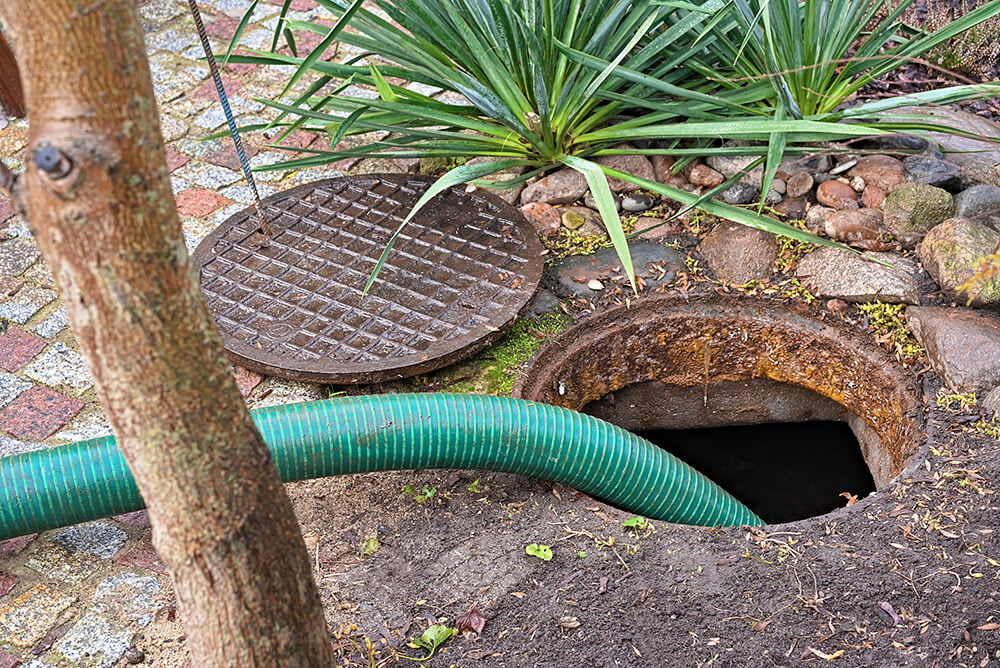
Septic tanks naturally have bacteria that break down some of the solid waste in the septic tank. However, sludge buildup is just part of owning a septic system. While liquid wastewater can be filtered and treated through the system, a septic tank company has to pump the septic tank out at least every few years.
The disadvantages of having a well include more maintenance, like annual testing and inspections, and high up-front costs to drill a well. Well water is also vulnerable to contamination, which is why keeping up with testing is important if you own a well. When it comes to well water versus city water, well water does offer more independence and is a reliable water source.
The Glencoe, MN homeowners’ guide to septic tank services
From average costs to expert advice, get all the answers you need to get your job done.
Caring for your septic system is crucial to ensuring its long life. But how much does it cost to pump a septic tank? We explore the different cost factors.
A damaged septic system can leak odors and sewage, so repairs are urgent. Find out how much septic tank repair costs based on repair type, tank size, and more.
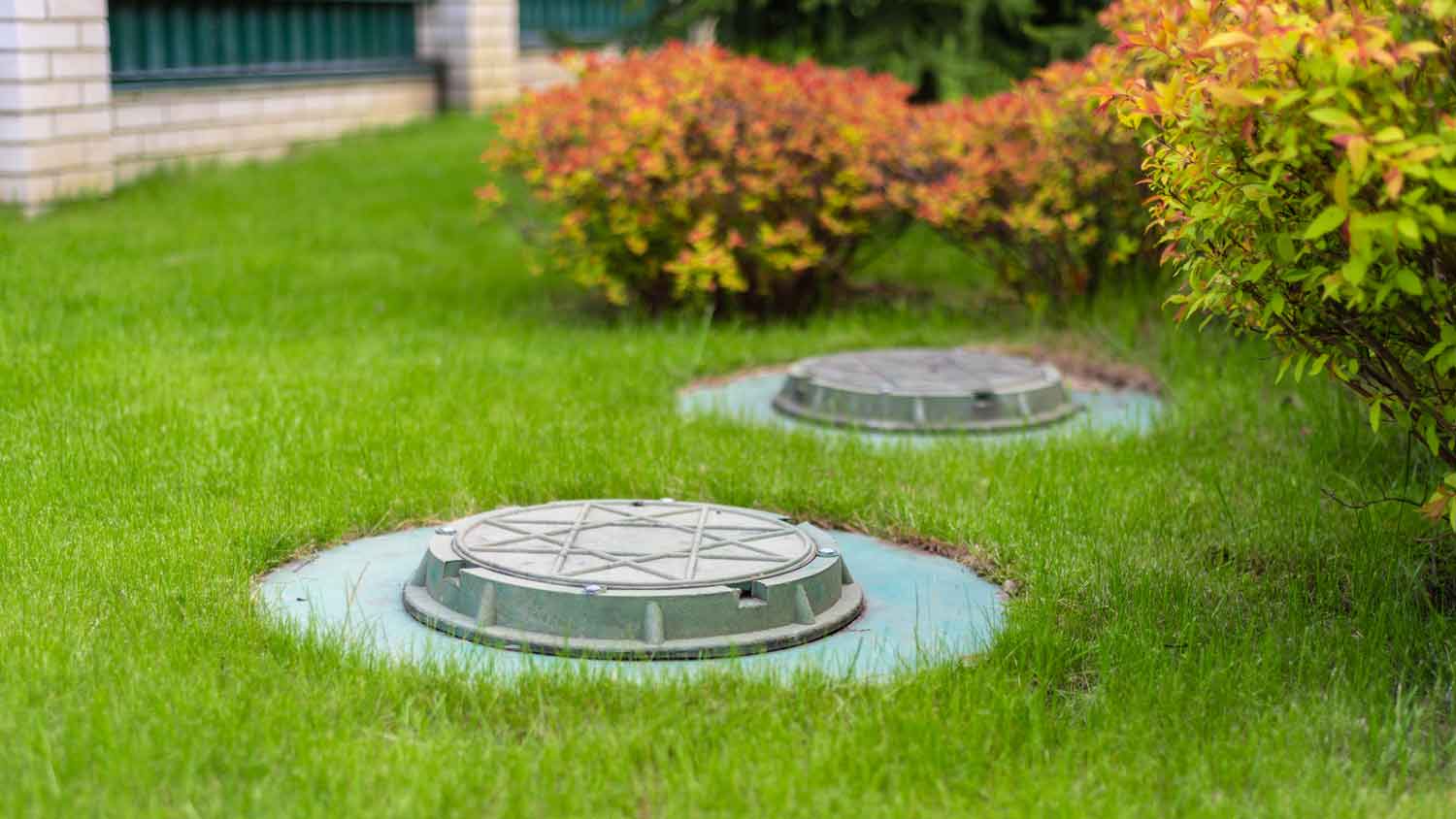
Septic tank risers make it easy to access your septic tank when it’s time for routine inspection, maintenance, and pumping, saving you precious time and labor costs.
Septic tank sizes vary depending on the size of your home, how many people live there, how much water you use, and more. Read on to learn how to determine the right size for you.