





Top-rated energy efficiency auditors.

Get matched with top energy efficiency auditors in Buffalo, MN

Enter your zip and get matched with up to 5 pros

Need a pro for your energy efficiency auditing project in Buffalo, MN?

Select your specific project to find the pro for you.

Find Energy efficiency auditors in Buffalo

Avatar for Home Seal Insulation
Home Seal Insulation
4.7(
90
)
Home Energy Audit

Serving Buffalo, MN and surrounding areas

Approved

Super Service Award Winner

In business since 2014

Free estimates

Credit card accepted

"I could only select ?Home Energy Audit? above as work I had done. I actually had attic and rim joist insulation. So happy that I spent the money to get my home insulated. There is a noticeable difference. Well worth the money. Thank you!"
Response time2 days
58 neighbors recently requested a quote
Recommended by92%of homeowners

Avatar for Hoffman Weber Construction
Hoffman Weber Construction
4.3(
337
)
Energy Audit - For BusinessHome Energy Audit

Serving Buffalo, MN and surrounding areas

In business since 1992

Free estimates

Credit card accepted

"AJ diagnosed the cause of our ceiling damage after we received widely different opinions from multiple estimators. He performed the most critical vent replacement the same day, and his crew was able to complete the remaining work a few days later. Very thorough and professional. We are happy with their responsiveness and approach to the work."
2020 NARI MN CotY Silver Award Winner
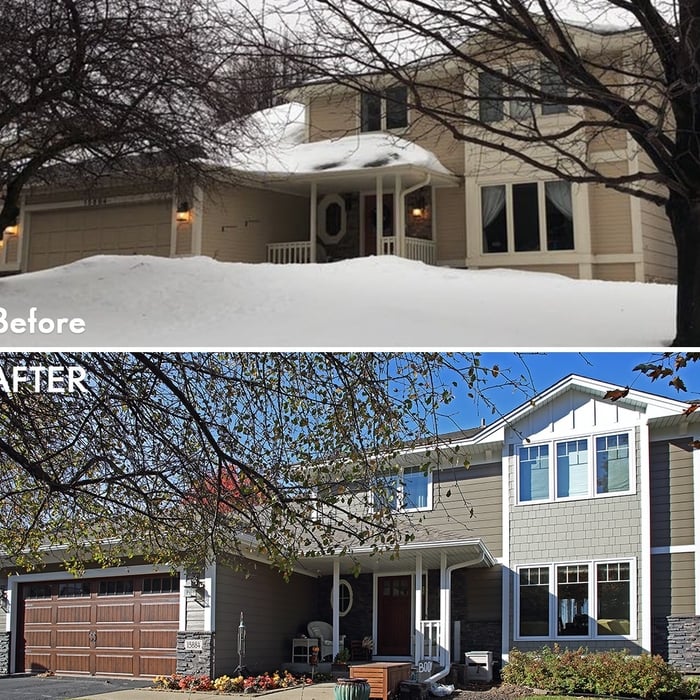
2015 COTY Award Winning Exterior
CertainTeed Restoration Classic Siding and GAF Timberline HD Roofing
Certainteed Restoration Classic Vinyl Siding and GAF Timberline HDZ Roofing
James Hardie HardiePlank Cedarmill Lap Siding, Hardie Board and Batten Siding, and HardieShingle Siding

+278

Recommended by85%of homeowners
Energy Efficiency Auditing questions, answered by experts

Hawaii is currently rated as the most expensive state for utilities. How much are utilities for a house in Hawaii? With electricity costs in Hawaii totaling nearly 42 cents per kilowatt-hour, residents are paying more to run their households than any other residents. Electricity costs in Hawaii are so high, mostly due to the fact that most of the electricity available to residents is produced using oil that must be shipped in from other places.

R-value is calculated by dividing the thickness of an insulation material by its thermal conductivity. The material's composition and density influence thermal conductivity. Materials with lower conductivity values provide better insulation. The higher the R-value, the better the material is at insulating, helping homeowners select insulation that meets the energy needs of their climate and home layout.

While many states require all new construction to undergo blower door tests, it’s not a requirement for existing homes. But in both cases, a blower test helps confirm that the contractor has sealed the exterior, that the type of ductwork installed is functioning properly, and that your home is as efficient as possible.

You can save money on heating oil through a combination of improving home efficiency and smart purchasing strategies.

Home Efficiency and Usage:

  • Improve Insulation: Ensure your home, especially the basement and attic, is well-insulated and sealed against drafts to prevent heat leakage.

  • Manage Your Thermostat: Use a properly calibrated and programmable thermostat. Lower the temperature by a few degrees, particularly when you are away from home or asleep.

Purchasing Strategies:

  • Buy in the Off-Season: Order heating oil during the summer months when prices are generally at their lowest. This strategy is most effective if you have a large primary tank or a separate storage tank to accommodate bulk deliveries.

  • Consider a Delivery Contract: Some companies offer contracts with a set price for the term. This can lead to savings if market prices for oil increase, but you might pay more if prices drop.

R-value measures an insulation material's thermal resistance, indicating its ability to resist heat transfer. A higher R-value signifies better insulation performance because the material is more effective at slowing heat flow. The R-value depends on the type, thickness, and density of the insulation material, such as fiberglass, foam, or cellulose. Each inch of insulation typically provides an R-value between 3 and 8. There is no single universal R-value; the optimal choice depends on your climate zone. Colder climates require a much higher R-value than warmer ones to maintain energy efficiency, keep the home warm in winter and cool in summer, and manage costs.

The Buffalo, MN homeowners’ guide to energy efficiency auditing services

From average costs to expert advice, get all the answers you need to get your job done.