



Top-rated energy efficiency auditors.

Best energy efficiency auditors near Waverly, MN

Enter your zip and get matched with up to 5 pros

Need a pro for your energy efficiency auditing project in Waverly, MN?

Select your specific project to find the pro for you.

Top-Rated Energy efficiency auditors in Waverly - Updated Nov 2026

Avatar for Home Seal Insulation
Home Seal Insulation
4.7(
90
)
Home Energy Audit

Serving Waverly, MN and surrounding areas

In business since 2014

Free estimates

Credit card accepted

"I could only select ?Home Energy Audit? above as work I had done. I actually had attic and rim joist insulation. So happy that I spent the money to get my home insulated. There is a noticeable difference. Well worth the money. Thank you!"
Response time2 days
49 neighbors recently requested a quote
Recommended by92%of homeowners

Avatar for Hoffman Weber Construction
Hoffman Weber Construction
4.3(
337
)
Energy Audit - For BusinessHome Energy Audit

Serving Waverly, MN and surrounding areas

In business since 1992

Free estimates

Credit card accepted

"AJ diagnosed the cause of our ceiling damage after we received widely different opinions from multiple estimators. He performed the most critical vent replacement the same day, and his crew was able to complete the remaining work a few days later. Very thorough and professional. We are happy with their responsiveness and approach to the work."
2020 NARI MN CotY Silver Award Winner
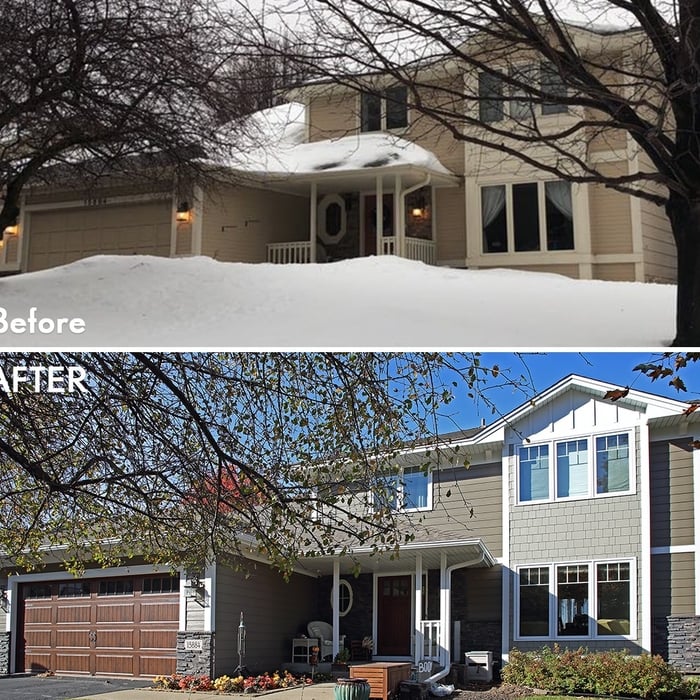
2015 COTY Award Winning Exterior
CertainTeed Restoration Classic Siding and GAF Timberline HD Roofing
Certainteed Restoration Classic Vinyl Siding and GAF Timberline HDZ Roofing
James Hardie HardiePlank Cedarmill Lap Siding, Hardie Board and Batten Siding, and HardieShingle Siding

+278

Recommended by85%of homeowners
Energy Efficiency Auditing FAQs, answered by experts

R-value measures an insulation material's thermal resistance, indicating its ability to resist heat transfer. A higher R-value signifies better insulation performance because the material is more effective at slowing heat flow. The R-value depends on the type, thickness, and density of the insulation material, such as fiberglass, foam, or cellulose. Each inch of insulation typically provides an R-value between 3 and 8. There is no single universal R-value; the optimal choice depends on your climate zone. Colder climates require a much higher R-value than warmer ones to maintain energy efficiency, keep the home warm in winter and cool in summer, and manage costs.

Blower door tests are measured in a few different ways, but the most popular are air changes per hour (ACH) and cubic feet of air (CFM) moving through the house per hour. A good ACH score is less than 2ACH, but 1ACH is better. This means the house experiences a total air change within 60 minutes (for 1ACH). For 2ACH, there’s a complete change every 30 minutes, and so on. CFM scores are similar in that a lower score means less air change, and therefore less leakage.

Energy-efficient windows cost more than other window types, but they can help you save on your monthly energy bills, get you some breaks on your taxes, and even increase the value of your home. According to Michael S. Regan, Administrator of the U.S. Environmental Protection Agency, when people invest in green upgrades like energy-efficient windows, they save energy, money, and more.

A whole-house humidifier can positively impact energy consumption by improving heating efficiency. During colder months, humidified air feels warmer, which allows you to lower your thermostat without sacrificing comfort. This adjustment can lead to significant energy savings as your heating system works more efficiently. However, it's important to use the humidifier judiciously, as excessive humidity could potentially strain your cooling system in warmer months.

Replacing a window frame will improve your home’s energy efficiency if the old frame is cracked or damaged in a way that allows unconditioned air from the outside into your living space or if you upgrade to a more energy-efficient window frame material. Aluminum is the least energy-efficient window frame material, followed by vinyl and wood. Fiberglass and composite frames are the most energy-efficient.

The Waverly, MN homeowners’ guide to energy efficiency auditing services

From average costs to expert advice, get all the answers you need to get your job done.