"I just pay $75 you never know who's going to come out. They do everything electrical. Just about everything is covered except the septic tank. I had an air conditioner replaced. It went great, all I had to do was pay for the freon. He didn't charge e more than what was needed."
The pressure in a well pressure tank should be set 2 to 3 PSI below the pump's cut-on pressure. The cut-on pressure is the lower number in the pressure setting (e.g., the '30' in 30/50 PSI) and is the point at which the pump starts. The cut-out pressure is the higher number, where the pump stops.
For example:
If your pressure switch is set to 30/50 PSI, the tank pressure should be 27-28 PSI.
If your pressure switch is set to 40/60 PSI, the tank pressure should be 38 PSI.
Common pressure settings for household applications include 20/40, 30/50, and 40/60 PSI. The difference between the cut-on and cut-out pressure is typically 20 PSI.
Frozen well pipes make themselves known quickly, as your faucets slow down to a trickle or shut down completely. If you notice a serious reduction in flow in the winter from toilets, showers, kitchen faucets, and other plumbing fixtures, a frozen pipe or two is to blame. Another tell-tale sign is frost or ice on exposed pipes outside.
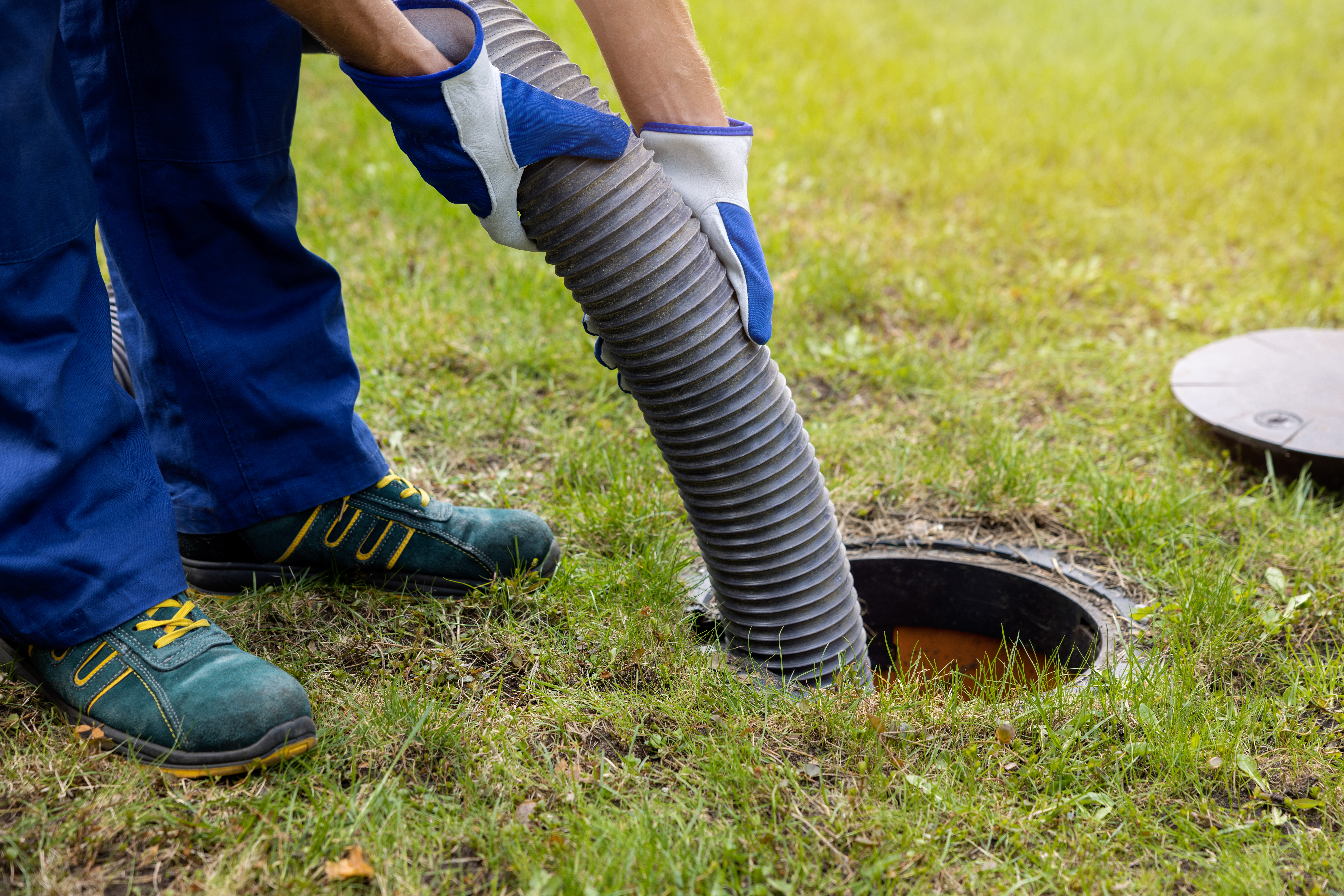
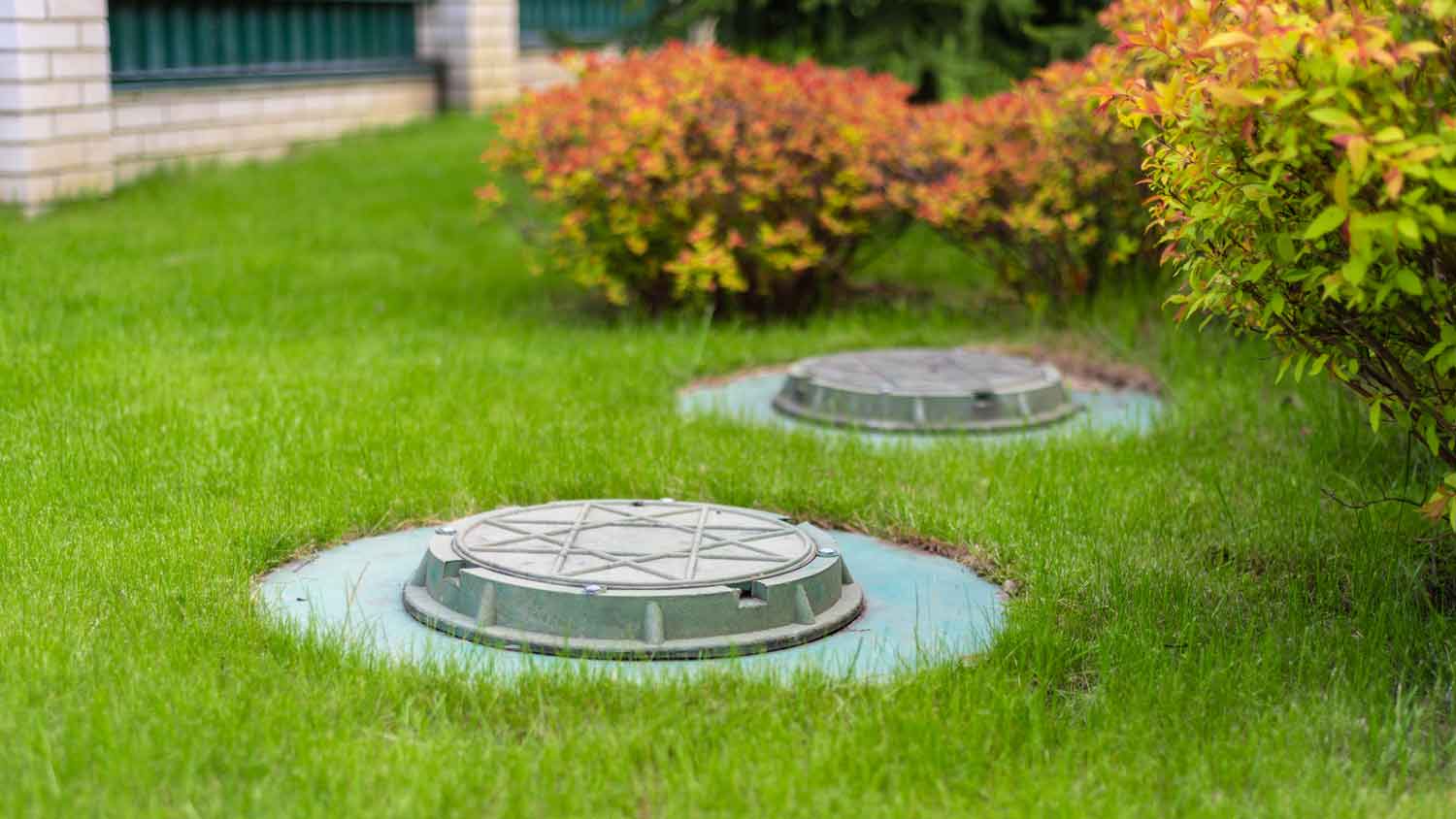
Your septic tank may be full or clogged if you notice household drains that are backed up, draining slowly, or gurgling; greener, lusher grass around the septic system; pooling water in your yard; or smelling sewage odors outdoors. You can contact a local septic tank pro to inspect your septic system and pump your tank.
To determine the right size for your submersible well pump, find your well depth, water demand, and well casing diameter. The pump should match your well's specifications and meet or exceed your drawdown and pressure requirements.
For precise sizing, make sure to research the different well pump sizes, consult the manufacturer's recommendations, or seek guidance from a professional well pump installer.
Yes. Amongst the four most common types of septic tanks—plastic, fiberglass, concrete, and steel—those made of concrete are the most expensive. This is the case for a few reasons, including the fact that they’re very heavy, so pros have to use specialized equipment to install them. However, they’re also incredibly durable, making the price worth it if it’s in your budget.
The Balaton, MN homeowners’ guide to septic tank services
From average costs to expert advice, get all the answers you need to get your job done.
It’s crucial to install a septic tank with the right volume to avoid wastewater backups. This guide will help you calculate the right septic tank volume.
Septic tank sizes vary depending on the size of your home, how many people live there, how much water you use, and more. Read on to learn how to determine the right size for you.