

Top-rated generator install pros.

Get matched with top generator install pros in Albert Lea, MN

Enter your zip and get matched with up to 5 pros

Need a pro for your generator install project in Albert Lea, MN?

Select your specific project to find the pro for you.

Find Generator install pros in Albert Lea

Avatar for Ron's Plumbing HVAC & Electric, Inc.
Ron's Plumbing HVAC & Electric, Inc.
New to Angi

Serving Albert Lea, MN and surrounding areas

In business since 1954

Emergency services offered

Credit card accepted

Ron's Plumbing, HVAC, and Electric is your first choice for professional residential and commercial service. We also offer Generac Generator sales, installation, and service. Check out our custom Reverse Osmosis (R/O), Water Softener, and Whole House Filter Systems that are unique only to Ron's and built in-house. With years of knowledge and the experience we are able to quickly consult and determine your household needs. Remodeling? Give us a call! Have a commercial project? No job is too big or too small for us. We proudly serve Southern Minnesota with affordable and efficient service. Give us a call today! 507-553-5848

Ron's Photos
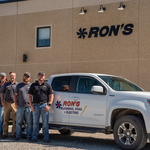
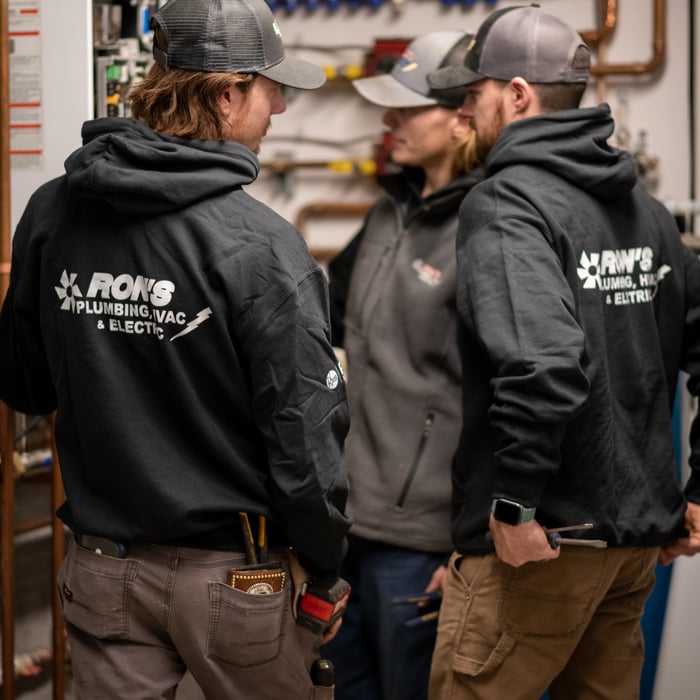
Some of the crew
Electric Work
Softener Salt
HVAC Technicians

+3

Rentas Electric LLC
New to Angi

Serving Albert Lea, MN and surrounding areas

In business since 2025

We take great pride in our experience, expertise, quality and customer service that we provide to meet every consumer's needs.\nIt is our mission to provide excellent customer service from start to completion of a project.\nTo understand the needs and expectations of our customers, we take great care to work and communicate with every customer in a personal and professional manner.\nOur reputation is based on service, safety and quality, regardless of how large or small the job.\n

Generator Install questions, answered by experts

Generators are safe to use as long as they are installed and operated correctly according to the manufacturer's recommendations. The most critical safety tips are to never use a portable or fuel-powered generator inside an enclosed space due to the risk of lethal carbon monoxide poisoning; always operate it outdoors where fumes can dissipate away from your home. Additionally, never attempt to connect a generator to your home’s electrical panel yourself—hire a professional to ensure the setup meets safety standards. Finally, avoid overloading the generator by not connecting more appliances than it is rated for, as this can damage your equipment or cause a fire.

If you’re wondering whether gas generators produce carbon monoxide, know that natural gas generators do not produce carbon monoxide if they are functioning properly, as natural gas burns cleanly. However, if the generator malfunctions and the gas does not burn completely, there is potential for carbon dioxide to be produced. To prevent malfunctions, it's crucial to perform regular maintenance, including running the generator weekly and scheduling professional inspections every 6 to 12 months. Also, be sure to test your carbon monoxide detectors regularly to ensure they function in the rare case of the generator producing carbon monoxide.

In most cases, there are no tax credits available for home generators. However, that’s a general statement that applies to federal tax credits, so you might have access to state or local tax incentives. You can check the Database of State Incentives for Renewables & Efficiency (DSIRE) for more information about your area. If you hire a reliable home generator installer, they should also know if there are any state or local perks you can use to reduce your installation costs, including tax breaks and rebates.

Here’s what you can run with different wattages and types of generators:

Portable generator:

  • 2,000 watts can handle a large appliance like a freezer or refrigerator, plus a few smaller items like phones or computer chargers. 

  • 4,000 watts will keep two large appliances operating and a few smaller devices.

  • 8,000 watts should power most essential appliances and other devices, including a sump pump, well pump, or your dishwasher.

Partial to whole-house generator:

  • 20,000 watts and above will make it seem like your home’s power is still on.

Generally, you’ll want to keep between 60 and 70 feet between the generator and the transfer switch. There are a few reasons for this, including:

  • The distance reduces the noise coming from the generator into your home.

  • It increases efficiency because you won’t have a voltage drop from this short of a distance.

  • Prevents carbon monoxide poisoning: keep at least 15 feet between your generator and an open window. 

The Albert Lea, MN homeowners’ guide to generator installs

From average costs to expert advice, get all the answers you need to get your job done.