



Top-rated excavation pros.

Best excavation pros near Roosevelt Park, MI

Enter your zip and get matched with up to 5 pros

Need a pro for your excavation project in Roosevelt Park, MI?

Select your specific project to find the pro for you.

TRUSTED BY ROOSEVELT PARK, MI HOMEOWNERS

  • Average homeowner rating star icon4.6
    Average homeowner rating
  • Verified reviews icon10
    Verified excavation services reviews

Top-Rated Excavation pros in Roosevelt Park - Updated Nov 2026

Avatar for Diggity Dirt
Diggity Dirt
5.0(
12
)
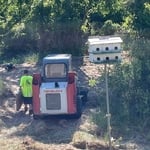
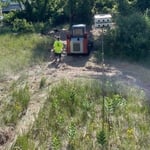
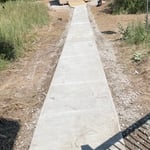
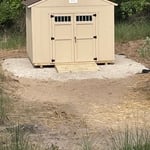
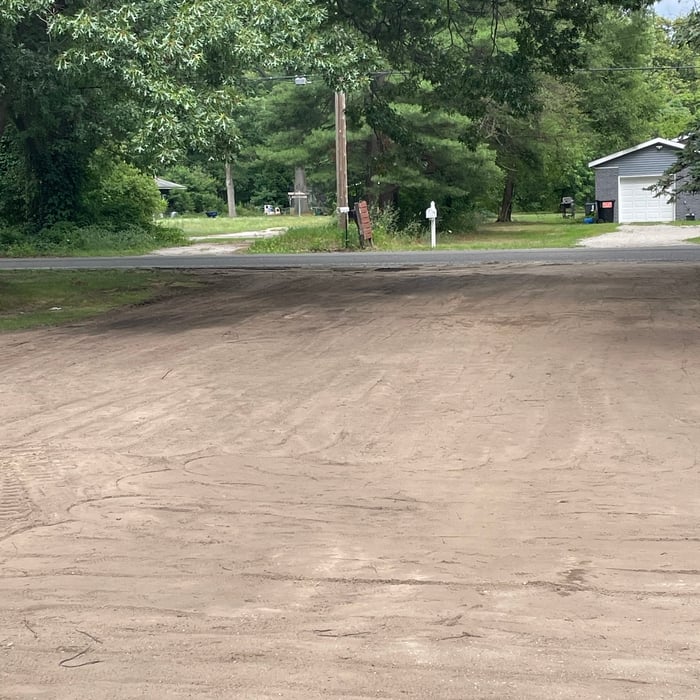
Landscape - Minor Grading or Resloping

Serving Roosevelt Park, MI and surrounding areas

Approved

In business since 2019

Free estimates

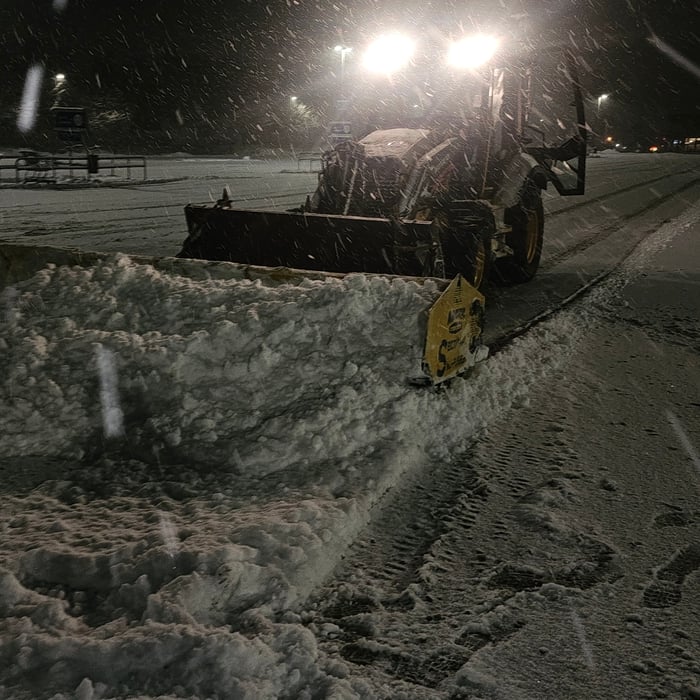
Emergency services offered

"Would not hire anyone else. Diggity Dirt is top notch. You will not be disappointed they will go out of their way to deliver you the product you want and when you need it."
Response time12 hrs
Response rate89%
3 neighbors recently requested a quote
...
Showing 1-10 of 74
Excavating FAQs, answered by experts

Above ground pools are not buried in the ground. Typically, above ground pools are semi-permanent. One reason they’re more affordable is that you don’t have to dig for an inground pool and pour concrete or another material. However, you can choose to install a semi inground pool, which is a hybrid between the two.

The rules for trenching and excavation include setting up and following safety protocols, learning how to use tools and machines properly, and ensuring there is a safe exit for all workers. Keep heavy equipment and materials away from the edge of the hole or trench. Call the 811 dig line before starting any excavation or trenching project to ensure you don’t hit any electrical or gas lines.

The best type of soil to build on is a mixture of sand and clay, known as loam soil. Loam soil has the best combination of these soil types to build a foundation on. The clay particles help with water retention, so it won’t erode like sandy soil might, and the sandy particles help with drainage, so you won’t see unsafe soil expansion or have an increased risk of leaks from water sitting against your foundation.

Most residential basements are 8 to 10 feet deep. You can dig deeper depending on building codes, but it does become more difficult. You’ll likely need to install stronger foundation walls and additional supports to handle the increased load. Depending on the water table, you may also need a water management system. Clay soil can support a deeper foundation than sandy soil. A structural engineer will be able to tell you the maximum, feasible depth.

Yes, you can technically make a crawl space liveable, but the only way to do so is by converting it into a basement. While some crawl spaces are big enough to walk through and store large items, they lack appropriate insulation and space to be liveable.

The Roosevelt Park, MI homeowners’ guide to excavation services

From average costs to expert advice, get all the answers you need to get your job done.