



Top-rated excavation pros.

Get matched with top excavation pros in Whitehall, MI

Enter your zip and get matched with up to 5 pros

Need a pro for your excavation project in Whitehall, MI?

Select your specific project to find the pro for you.

Find Excavation pros in Whitehall

CB handyman services
New to Angi
Landscape - Minor Grading or Resloping

Serving Whitehall, MI and surrounding areas

Approved

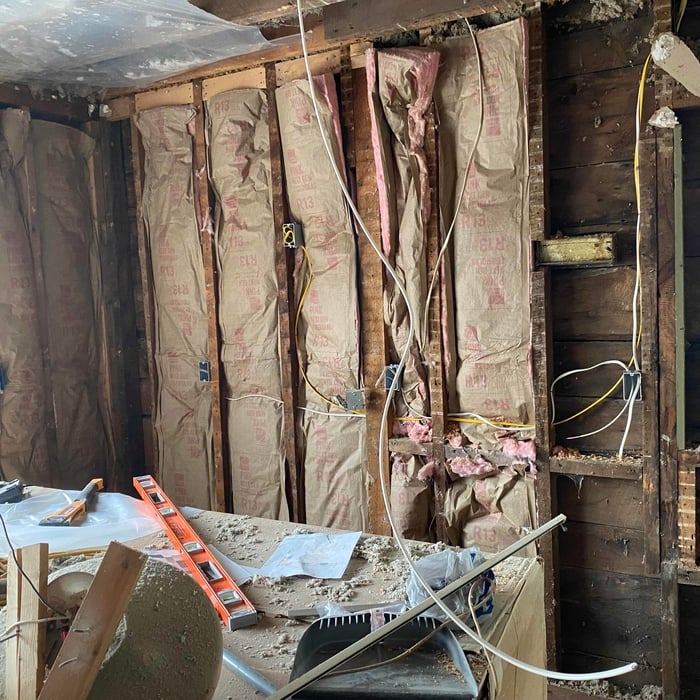
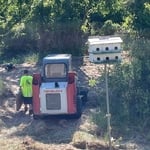
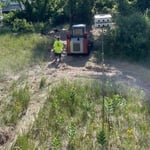
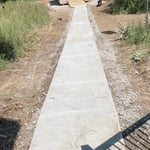
We provide reliable handyman services and outdoor improvement solutions with a focus on quality, efficiency, and long-term results. From small repairs and property cleanups to grading, drainage, and backyard upgrades, we help homeowners get their projects done right without the hassle.\nOur work covers a wide range of services including yard cleanups, tree trimming, light demolition, power washing, and general handyman tasks. We also specialize in outdoor projects like patio prep, leveling, and landscape improvements—helping turn everyday spaces into functional, usable backyards.\nWe take a practical, construction-focused approach to every job. That means showing up on time, communicating clearly, and doing the work properly the first time. Whether it’s a quick fix or a larger outdoor project, we aim to deliver results that last.\nHomeowners choose us because we’re dependable, straightforward, and focused on getting the job done right—no shortcuts, no surprises.
1 neighbors recently requested a quote
...
Showing 1-10 of 53
Excavating questions, answered by experts

The average cost of excavation is approximately $3,200, with typical projects ranging from $500 to $15,000. Depending on the contractor, you may be charged between $50 and $200 per cubic yard or an hourly rate of $40 to $180 for an excavation specialist. The total cost is influenced by several factors, including the project size, the amount of soil to be removed, and the soil's condition. Hard soil, tree roots, or excessive rocks and clay can increase the price, potentially adding $200 to $1,200 to the final bill. Other factors that can drive up costs include the presence of nearby structures that complicate the work or tight spaces that require manual excavation instead of heavy machinery.

Some two-in-one tools and machines do both jobs, and those could be the right solution for smaller residential projects. However, the phrase “use the right tool for the job” definitely applies to digging. For the best results, get two separate tools for your trenching and landscape edging projects or call a pro to take care of everything for you.

You should dig 3 to 6 inches deep for plastic edging. Dig as wide as you need to fit your plastic edging into it—2 inches is usually sufficient.

The best way to protect tree roots is to avoid the roots entirely by excavating outside the root radius of the tree. For nearby projects, it’s a good idea to construct a temporary retaining wall. But that’s not always possible, depending on the project and the root system. In these cases, consider using alternative equipment like an auger to tunnel under the ground.

Remember, tree roots can damage nearby cement foundations as they grow. If a tree is close enough to interfere with large excavations, it may be better to remove the tree than risk future problems.

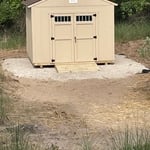
Concrete blocks are the cheapest way to base a shed. However, the space in between allows critters to go under, burrow, and even damage your shed’s frame. For a more pest-proof option, consider building a shed base with gravel or paver stones. Both options are fairly affordable and easy enough for a DIY project. For gravel, you can build a wooden frame to contain the loose material.

The Whitehall, MI homeowners’ guide to excavation services

From average costs to expert advice, get all the answers you need to get your job done.