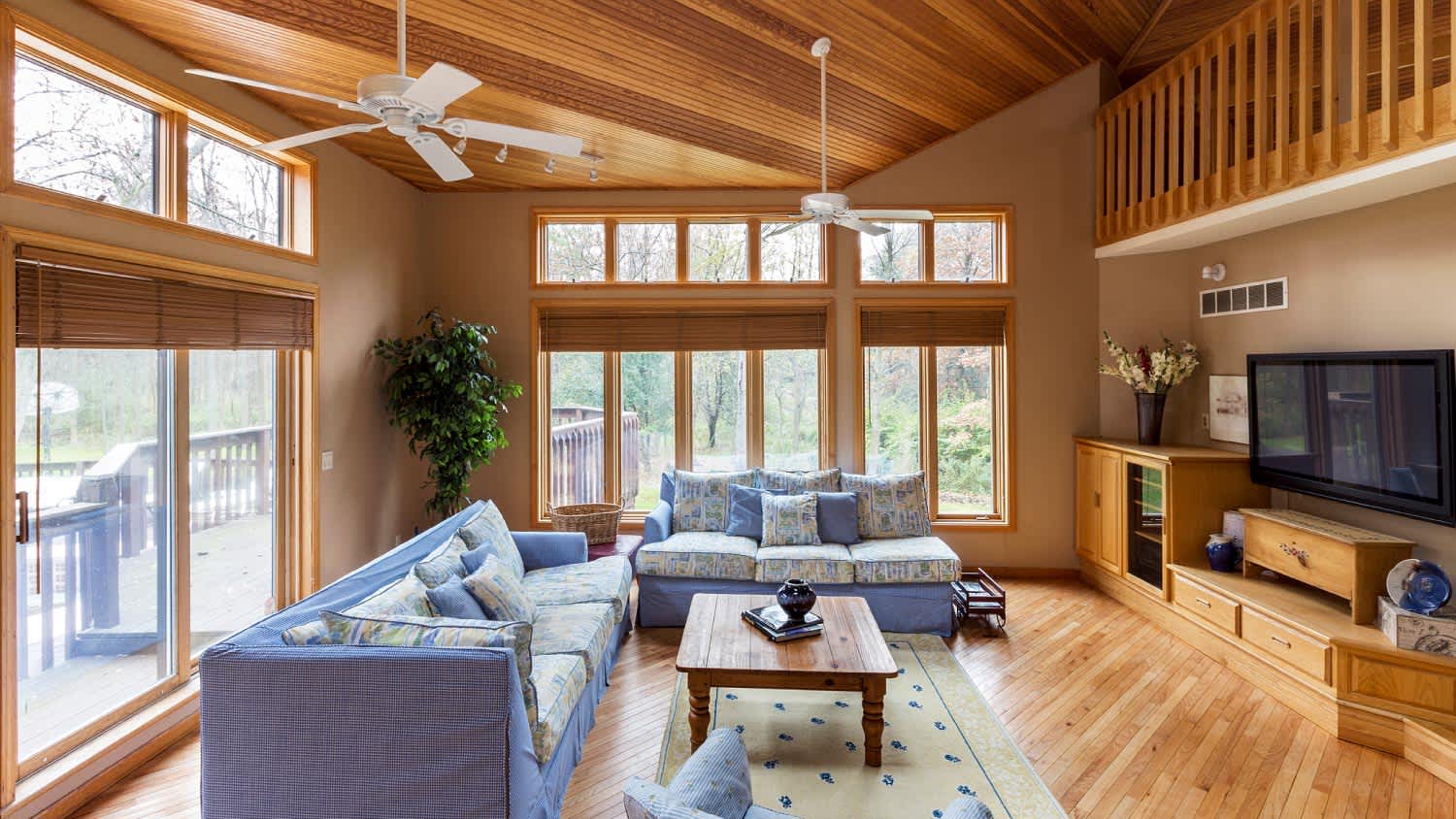





Top-rated ceiling fan pros.

Best ceiling fan pros near Quincy, MI

Enter your zip and get matched with up to 5 pros

Need a pro for your ceiling fan service project in Quincy, MI?

Select your specific project to find the pro for you.

Top-Rated Ceiling fan pros in Quincy - Updated Nov 2026

Avatar for Quantum Electric
Quantum Electric
4.8(
52
)
Ceiling Fan - Install

Serving Quincy, MI and surrounding areas

In business since 2011

Free estimates

Small jobs welcome

"They were friendly and incredibly affordable. They also did the work super quickly. My fan was installed in 30 minutes or so. Very communicative and punctual. I would hire them again in a second."

Downtown Lighting
Response time1 day
Response rate93%
Recommended by94%of homeowners

Avatar for American Home Shield – Home Warranty
American Home Shield – Home Warranty
3.5(
5,689
)
Ceiling Fan - InstallCeiling Fan - Repair

Serving Quincy, MI and surrounding areas

In business since 1971

Credit card accepted

"The furnace took 4 days to get approved( not counting a Sunday) the others were quick but the water heater had to be ordered so without hot water for a week. One ceiling fan was easy but within a year their policy changed and They would not install the one I purchased and had to get a new one approved and then ordered online and took several weeks to get straightened out. Not sure who was at fault, AHS, installer or scheduling with renter. Fee is usually $75 per visit"
Additional Photos
Additional Photos
Additional Photos
Additional Photos
Additional Photos

+2

Recommended by65%of homeowners
Avatar for Electrical Edge
Electrical Edge
4.5(
6
)
Ceiling Fan - InstallCeiling Fan - Repair

Serving Quincy, MI and surrounding areas

In business since 2010

Free estimates

Emergency services offered

Electrical Edge ,LLCprovides the highest quality electrical work. We have over 20 years of experience in the electrical industry, completing jobs that are both residential and commercial. Our knowledge and expertise in the electrical field is unmatched and that is why we guarantee all of our work. Customer satisfaction is our number 1 priority. For a first class job that will be completed to perfection the first time, give us a call at Electrical Edge LLC. Call today for your free estimate!

Recommended by100%of homeowners
Ceiling Fans FAQs, answered by experts

The direction your ceiling fan spins helps create comfortable airflow in your home and can also help cut down on energy costs. 

During summer, your ceiling fan should spin counterclockwise. This will push cooler air downward in a column and help lower your room’s air temperature. In the winter, set your ceiling fan to spin clockwise and at the lowest speed setting. This will pull cool air upwards, displacing the warm air that pools towards the top of your ceiling and bringing it down towards the floor.

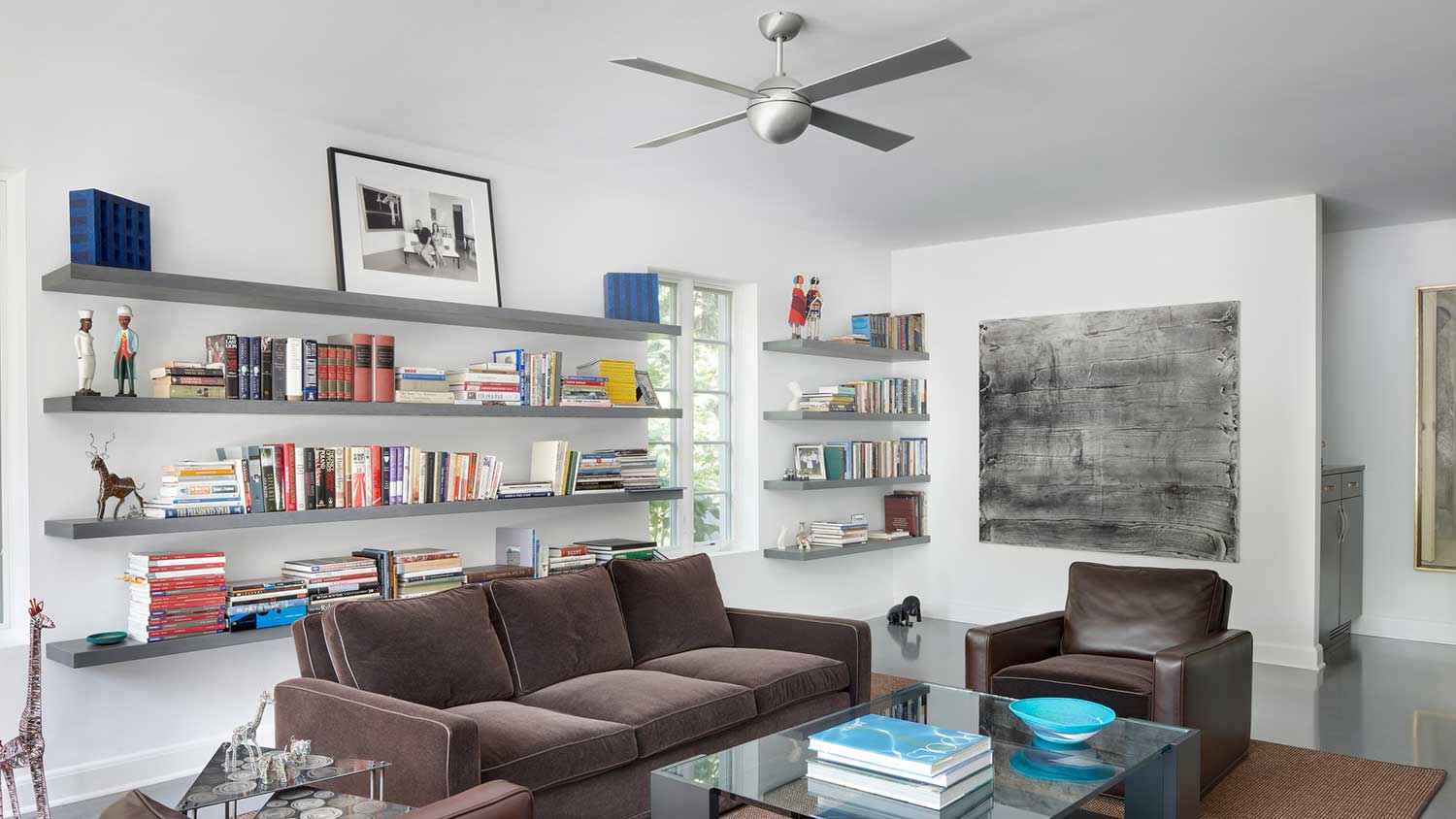
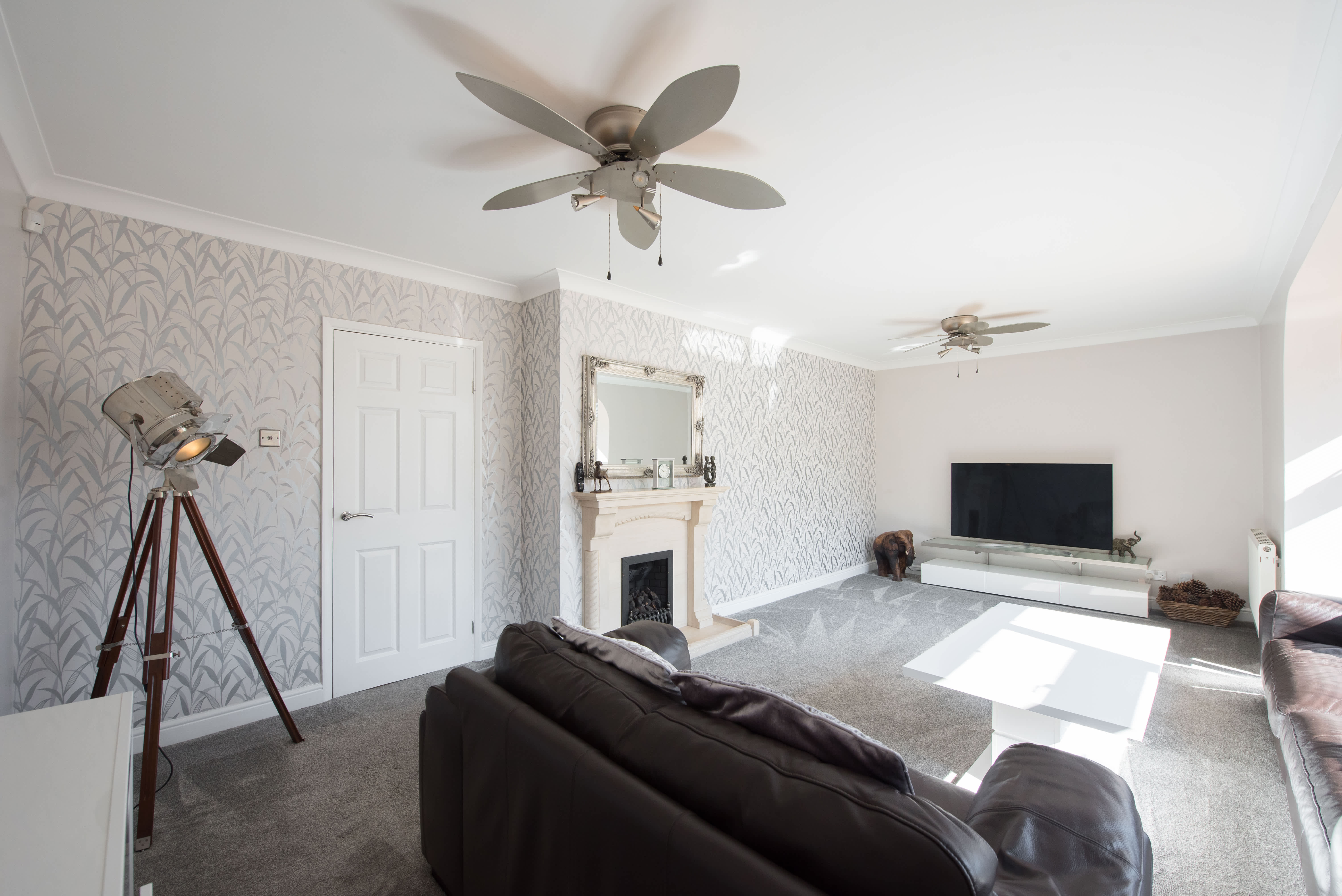
The number of blades for your fan poses both advantages and disadvantages. Typically, the more blades on a fan, the better the air distribution and cooling effect, but this also means that your fan will have more wear on its motor. For small rooms, three-blade fans should work fine. For larger areas like living rooms, four or five-blade fans might be the better option. 

There are many types of ceiling fans available, each designed for different spaces and needs. Standard ceiling fans are the most common type and work well in most rooms. Low-profile ceiling fans are better suited for rooms with low ceilings. Smart ceiling fans can be controlled with a smartphone or voice commands. For larger spaces with ceilings between 10 and 25 feet high, large ceiling fans are ideal. Dual-motor fans have two motors to produce more airflow in multiple directions. You can also find energy-efficient or Energy-Star models that can be up to 60% more efficient, as well as fans with built-in lights or retractable blades.

Many ceiling fan-rated electrical boxes tend to be made of metal. However, some electrical boxes may also be made of heavy-duty plastic that is reinforced with metal support structures. It may also have an attachment that connects directly to a ceiling joist. If you are ever ensure, consult with a licensed professional to get their insight on best practices and whether the installation is a safe one.

The square footage of your room will dictate the correct ceiling fan blade size. For example: 

  • Rooms smaller than 75 square feet require a fan that is 29 to 36 inches.

  • Rooms up to 175 square feet require 42- to 48-inch fans.

  • Rooms up to 350 square feet require 52- to 56-inch fans.

  • Expansive spaces over 350 square feet need a fan larger than 60 inches.

The Quincy, MI homeowners’ guide to ceiling fan services

From average costs to expert advice, get all the answers you need to get your job done.