We pride our company on reliability, great communication, integrity, and quality work. We are experts in our trade and will do our best to keep you as educated as we can on your particular task or project. We look forward to earning your business!
We take great pride our experience, expertise, quality, and customer service that we provide to meet the consumer's needs. It is our mission to provide excellent workmanship and complete customer satisfaction, from the start to the completion of a project. Our reputation is based on service, safety, and quality, regardless of how large or small the job.
Hello, my name is Israel Chavez. I’ve been doing Roofing and Trash and removel for six years. I work all over the state of Michigan. i’m great at what I do I own 216 foot dump trailers and the reason why you should hire me is because I do a great job I clean up.
We are a top of the line excavating,landscaping,and snow removal business based in Marion Michigan. We have years of experience and do the work to prove that! No matter what job big or small, we can do it all exactly how you want it and hassle free! Give us a call at 231-846-9098 and ask any questions to any project! All our quotes to you are free.
Specializing in LANDSCAPING AND TREE SERVICE! We always guarantee your satisfaction and won’t leave until the job is done right. We take pride in ourselves and on the quality work we provide, while always delivering great customer service! Check out our services offered, then call --or-- click to schedule a free estimate today!\n\n
We pride our company on reliability, great communication, integrity, and quality work. We are experts in our trade and will do our best to keep you as educated as we can on your particular task or project. We can work on smaller demo, retaining, concrete and excavation projects. Give us a call today, we look forward to earning your business!\n
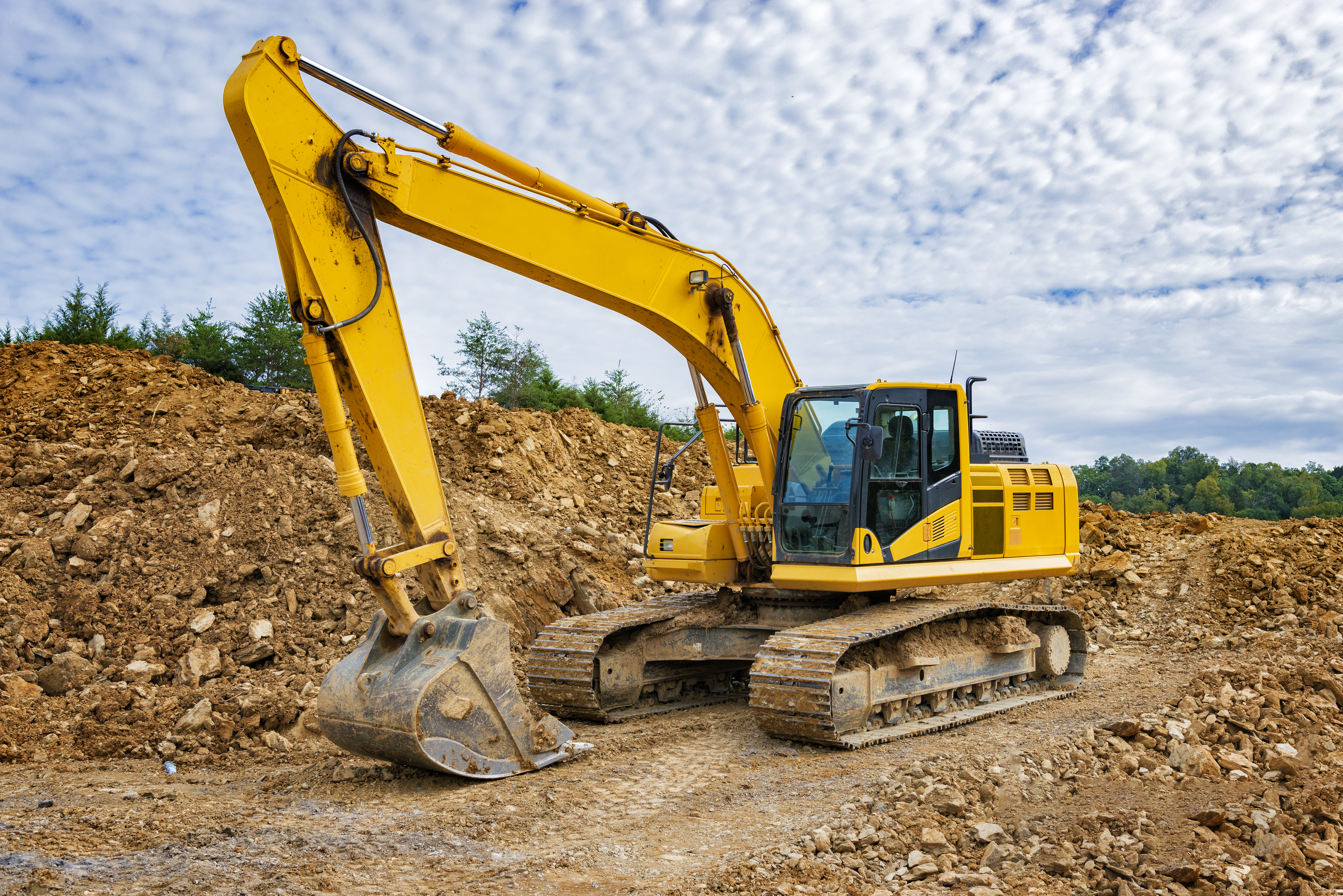
I provide quality & fair priced Excavation Service throughout Northern & Central Michigan. Licensed, Insured, and 40 years of professional experience. I like to help Landowners, Homeowners & Small Businesses with all their Site Preparation needs. If you need prep for a new home site, demo of an old building, land clearing, a septic system or have a special project; call for free consultation & pricing and give us an opportunity to meet your budget needs.
Yes, you can install a trench drain if you already have concrete in your yard or garden. While it can complicate some aspects of the job and slightly run up the cost, it is doable. Residential trench drains can be easily retrofitted to outdoor areas with concrete without having to remove excessive amounts of your patio, pool area, or decorative walkways.
Slab foundations are more affordable than crawl spaces because they require minimal excavation, as the slab sits directly on the ground or on footers that only sink a few feet into the ground. Crawl spaces require excavation of the entire footprint of the home to several feet below the surface. Not only does that mean higher labor costs, but more materials are necessary for the concrete foundation walls.
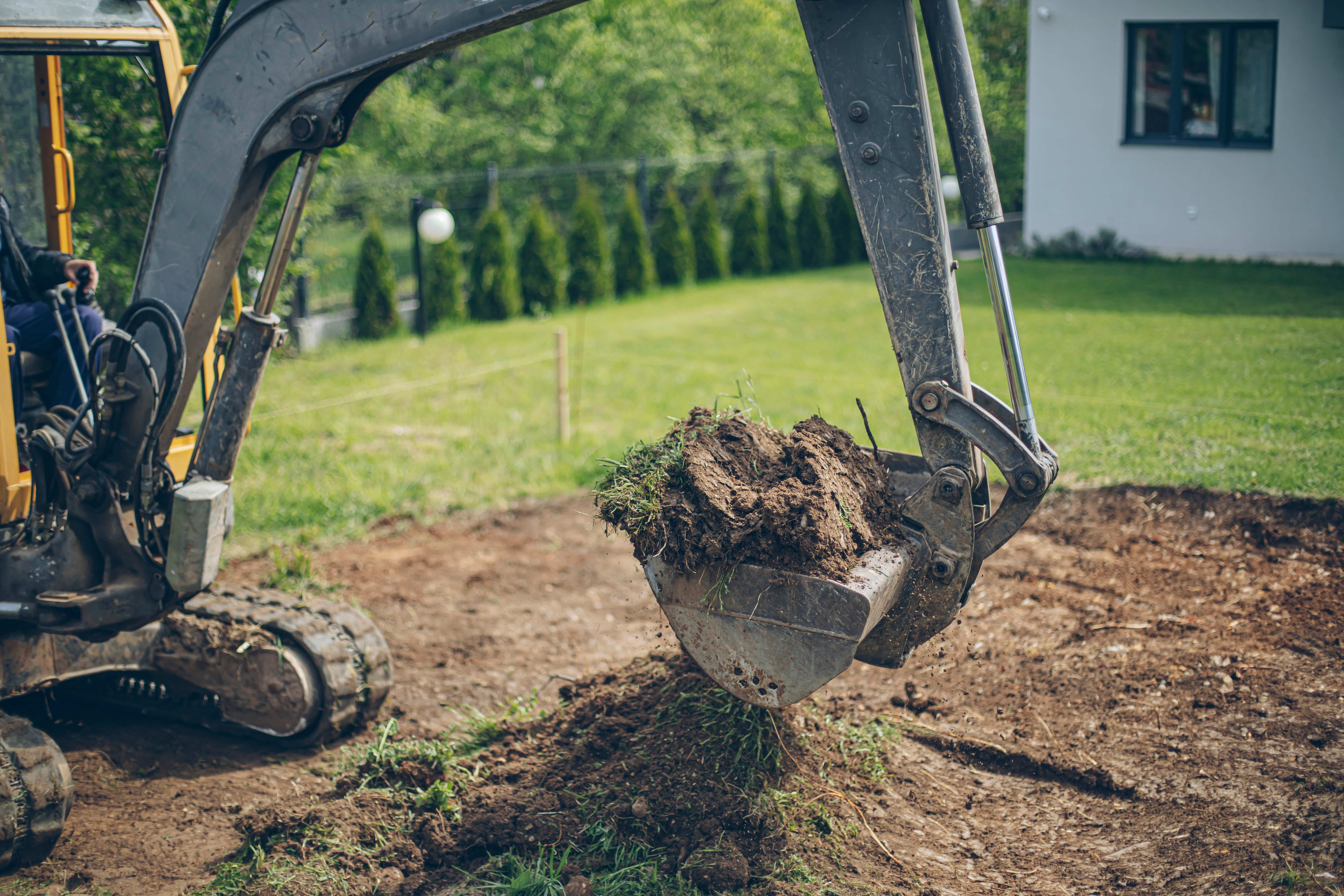
A mini excavator can dig between 5 and 11 feet deep, depending on the type and size of the mini excavator. Mini hydraulic excavators are more powerful and can reach deeper into the earth, but electric models have a more limited range. Mini excavators over two tons in size are also more powerful and able to dig as deep as 11 feet.
If you’re planning to dig on your property, you’ll need to check for underground utility lines. Call the national call-before-you-dig 811 number. Once connected to an operator, you can schedule a site visit to mark underground lines. This way, you won’t accidentally dig into pipes and can cause major (read: costly) issues.
Errors in site preparation can lead to structural failures or appear costly midway. Professionals ensure detailed, reliable home base development layouts.
The Pentwater, MI homeowners’ guide to excavation services
From average costs to expert advice, get all the answers you need to get your job done.
Excavation costs $1,500 to $6,300 for most residential projects—but it depends on factors like the size of the area. This guide will help you plan a budget.
You can't have an in-ground pool without digging into the ground. How much does pool excavation cost, and can you take it on yourself? Our guide explains.
Picking the right pro can make or break your project. Learn how to hire an excavation pro with the qualifications and skillset to do the job efficiently.