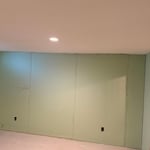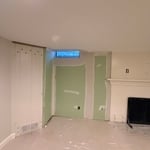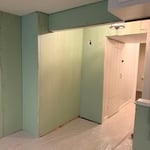

Top-rated drywall pros.

Get matched with top drywall pros in Orleans, MI

Enter your zip and get matched with up to 5 pros

Need a pro for your drywall service project in Orleans, MI?

Select your specific project to find the pro for you.

Find Drywall pros in Orleans

Avatar for D and L Commercial Roofing, LLC
D and L Commercial Roofing, LLC
4.9(
42
)
Drywall - InstallDrywall - Repair

Serving Orleans, MI and surrounding areas

Approved

Super Service Award Winner

In business since 2020

Free estimates

Warranties offered

"Very professional. Wonderful to work with. We hired them to put an addition on our home. They did everything very well : foundation, building the rooms, putting in insulation, drywall, painting, flooring, windows, roofing, plumbing, framing doors and windows, ductwork. They even built raised flower bed structures to go around the outside of the new addition. They are a very talented and skilled company."
Response time1 day
Response rate95%
4 neighbors recently requested a quote
Ralph Thompson
New to Angi
Drywall - InstallDrywall - Repair

Serving Orleans, MI and surrounding areas

Approved

Small jobs welcome

We take great pride in our experience, expertise, quality, and customer service that we provide to meet the consumer’s needs. It is our mission to provide excellent workmanship and complete customer satisfaction from start to completion of a project. In order to understand the needs and expectations of our customers, we take great care to work and communicate with every customer in a professional manner. Our reputation is based on service, safety, and quality, regardless of how large or small the job.

Handy Man Hank
New to Angi
Drywall - Repair

Serving Orleans, MI and surrounding areas

Approved

In business since 2025

Offers commercial services

Handy Man Hank is committed to excellence in every aspect of our business. We uphold a standard of integrity bound by fairness, honesty, and personal responsibility. Our distinction is the quality of service we bring to our customers. Accurate knowledge of our trade combined with ability is what makes us true professionals. Above all, we are watchful of our customers' interests, and make their concerns the basis of our business

J&M Business Solutions
New to Angi
Drywall - InstallDrywall - Install - For BusinessDrywall - Repair+1 more

Serving Orleans, MI and surrounding areas

Approved

J&M was created as a business that will eventually be handed down to my sons. The tasks the business handles are those that require general building and maintenance skills. Any skills acquired for these jobs were ones that I learned from my dad or grandfather, both of which were licensed builders. I stand behind all work the business does with a 100% money back guarantee.

1 neighbors recently requested a quote
...
Showing 1-10 of 100
Drywall questions, answered by experts

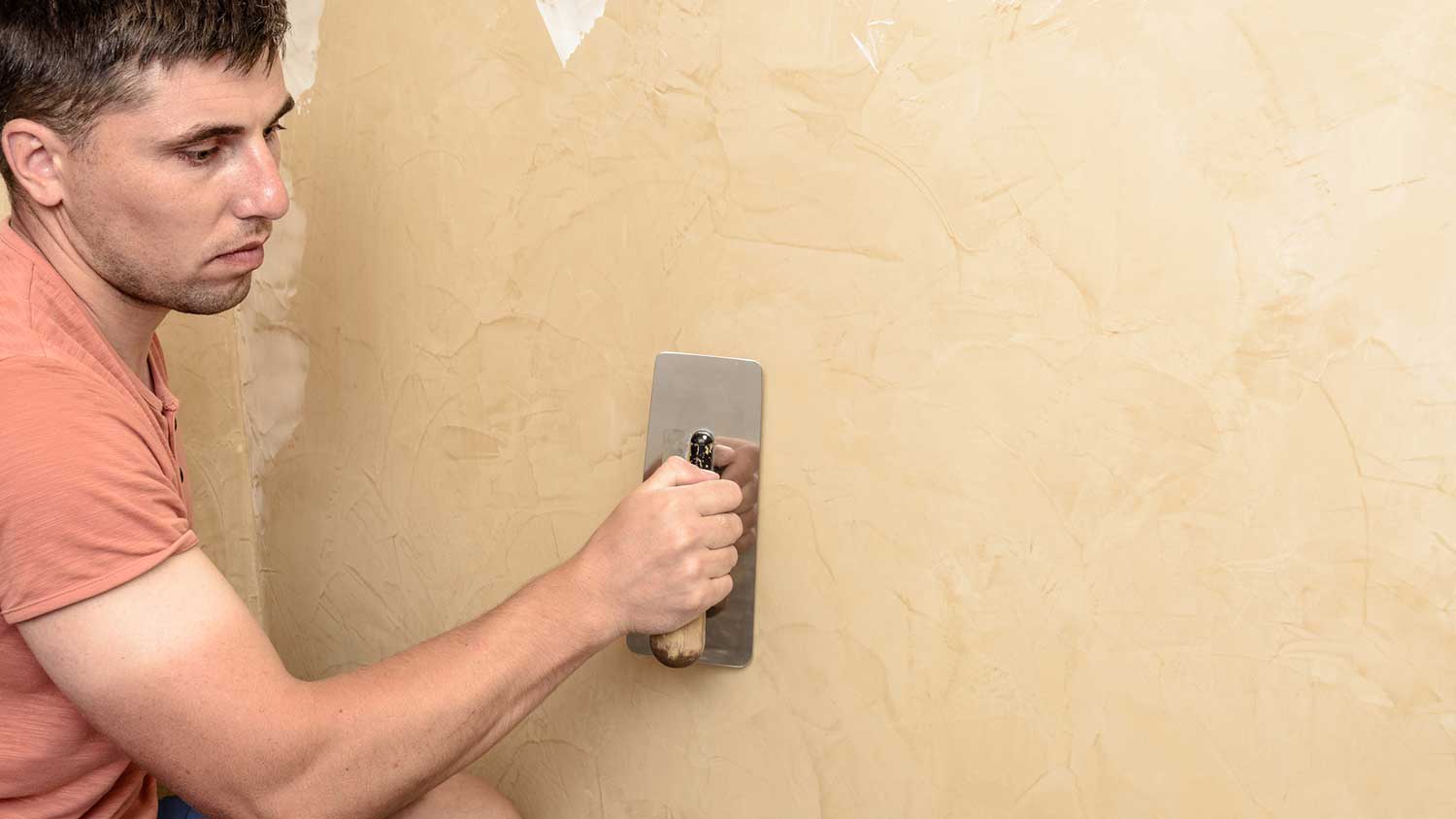
To hide drywall edges, you need to properly apply drywall tape and multiple layers of joint compound. These materials hide the seams between drywall sheets and fill the holes from drywall screws, leaving behind a smooth, flat finish to paint over. Apply joint compound smoothly, and finish the job by sanding the walls to make sure you fully hide drywall edges and other imperfections.

You can skim coat plaster, but it’s better to repair the plaster itself. A skim coat is a thin coat of drywall joint compound spread over the surface of a wall. The result is a flat finish that looks pleasing, but part of the appeal of plaster is its imperfections and aesthetic. Skim coating is best when limited to drywall applications.

Although they have similar applications, spackle and joint compound are not the same. Their primary differences lie in their composition, consistency, and ideal use cases.

Spackle is composed of gypsum and binding agents, making it thicker than joint compound. It dries quickly and is easy to sand, which makes it ideal for small wall repair projects like filling nail holes or patching minor damage.

Joint compound, also known as drywall mud, consists of limestone and gypsum. It is primarily used for large-scale projects, such as taping and finishing the seams on newly installed drywall. It tends to shrink more than spackle and can be more difficult to spread.

While both products can be used to fill small depressions and cracks, spackle cannot replace joint compound for taping and mudding new drywall. Conversely, you can often use joint compound for small patching jobs typically done with spackle.

The two most common drywall thicknesses for ceilings are 1/2-inch and 5/8-inch. For most standard residential applications, 1/2-inch drywall is sufficient and widely used. It provides adequate support and is lighter and easier to handle during installation compared to thicker sheets. However, 5/8-inch drywall is often used for specific cases where additional benefits are needed. It is heavier but provides superior sound dampening and fire resistance. You should consider using 5/8-inch drywall for ceilings in commercial buildings, between a garage and a living space, or above a finished basement to meet building codes or for enhanced soundproofing.

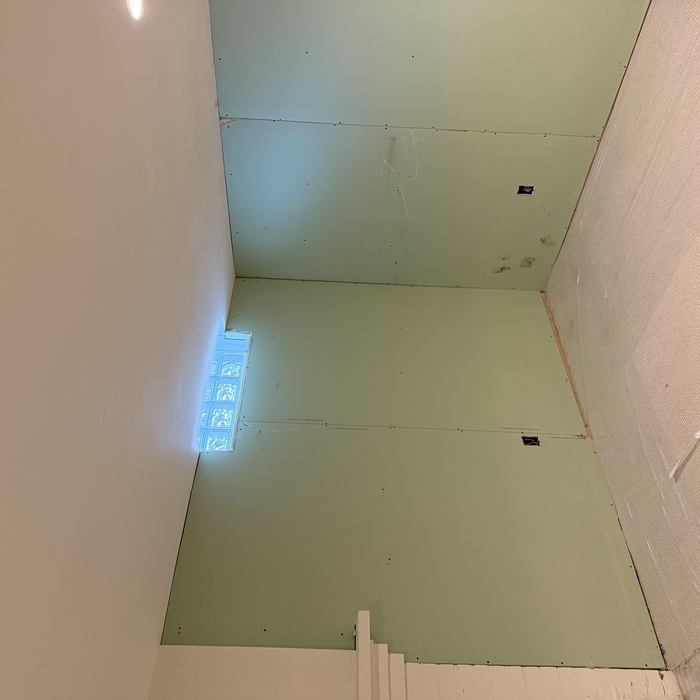
When choosing materials for finishing basement walls, consider factors such as moisture resistance, durability, and fire resistance. Opt for materials specifically designed for basement environments, like moisture-resistant drywall or cement board. Insulation with vapor barriers can help regulate temperature and prevent condensation. Consider using mold-resistant paints or coatings. 

Research and consult with experts to select materials that are suitable for your specific basement conditions and intended use. Prioritize quality and compatibility to achieve long-lasting and aesthetically pleasing results.

The Orleans, MI homeowners’ guide to drywall services

From average costs to expert advice, get all the answers you need to get your job done.