




Top-rated excavation pros.

Get matched with top excavation pros in New Baltimore, MI

Enter your zip and get matched with up to 5 pros

Need a pro for your excavation project in New Baltimore, MI?

Select your specific project to find the pro for you.

TRUSTED BY NEW BALTIMORE, MI HOMEOWNERS

  • Average homeowner rating star icon4.7
    Average homeowner rating
  • Verified reviews icon20
    Verified excavation services reviews

Find Excavation pros in New Baltimore

Avatar for New Image Lawn
New Image Lawn
5.0(
15
)
Landscape - Minor Grading or Resloping

Serving New Baltimore, MI and surrounding areas

Approved

In business since 2010

Free estimates

Small jobs welcome

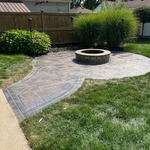
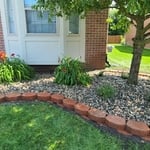
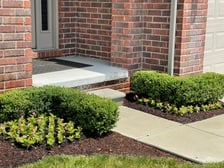
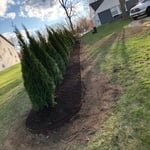
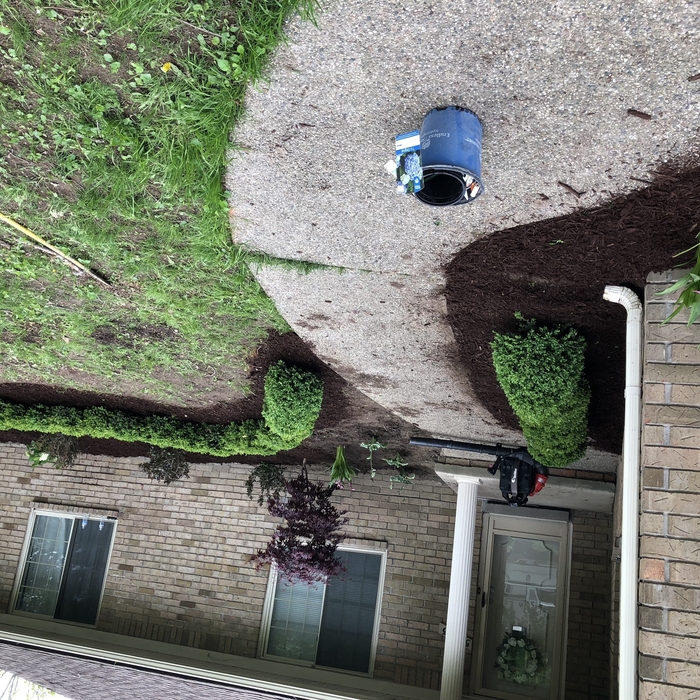
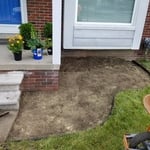
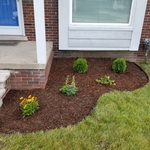
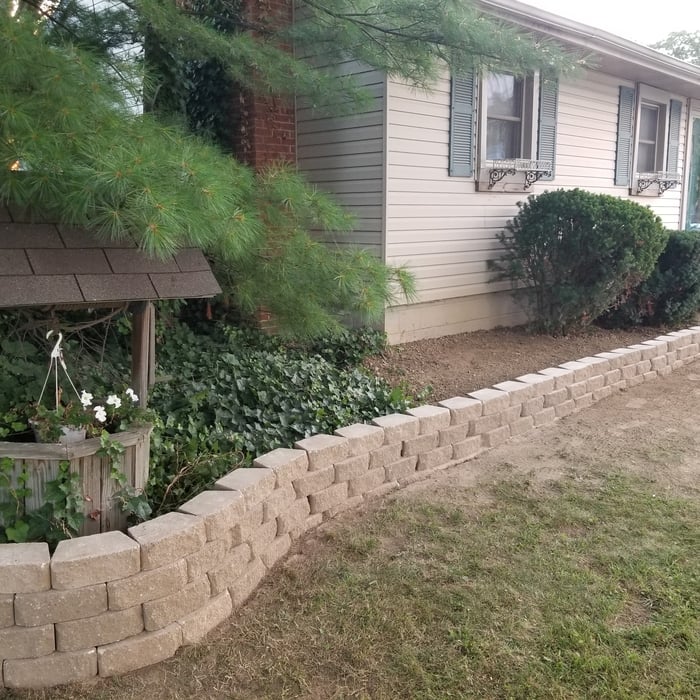
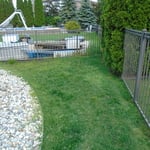
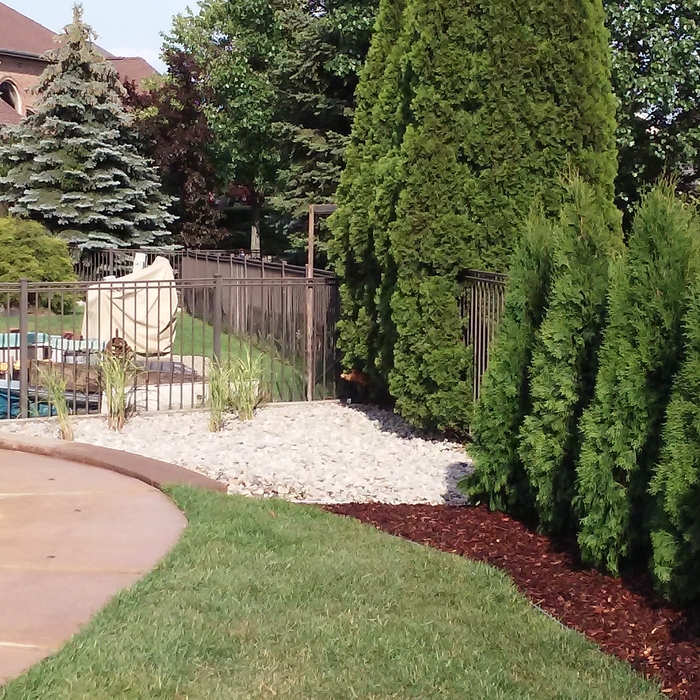
"They came out and ground stumps from removed arborvitae, placed new weed barrier and border, replaced lava rock and planted new bushes. Were fast, friendly, professional and I am already getting compliments on how nice it looks."
Previous Work
Previous Work
Previous Work
Previous Work
Previous Work

+33

Response time2 days
Recommended by92%of homeowners
Avatar for Monty Home Solutions L.L.C.
Monty Home Solutions L.L.C.
4.6(
26
)
Landscape - Minor Grading or Resloping

Serving New Baltimore, MI and surrounding areas

Approved

In business since 2021

Free estimates

Credit card accepted

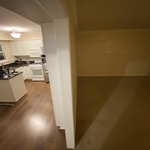
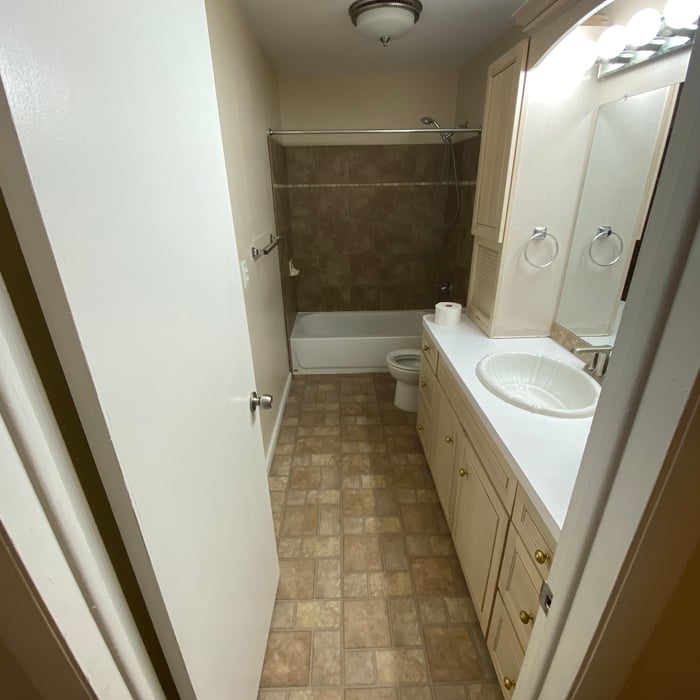
"I had my whole kitchen remodeled. They do awesome tiles and beautiful work. Installed a hood fan over stove. Great people!!! Decent prices. Easy to work with. 100% trust in their help. Extremely helpful."
Living Room Before
Kitchen & Living Room Before
Hallway Before
Bedroom Before
Guest Bathroom Before

+9

Response time3 days
Recommended by84%of homeowners
...
Showing 1-10 of 123
Excavating questions, answered by experts

No, a ditch isn’t a trench. A ditch is an open, relatively shallow channel that’s carved out of the ground and used for drainage purposes. In contrast, a trench is a deeper excavation that’s entirely underground. Trenches have many uses, including gas lines, sewage systems, and electrical wiring. Unlike trenches, ditches don’t get filled back in with dirt after they’re dug.

Consultation with the local government helps identify necessary permits, avoid project delays or legal issues, and protect project integrity.

Septic drain lines (or leach lines) are typically buried between 18 and 36 inches underground, and should be at least 6 inches below the surface. These pipes are perforated and surrounded by filtering materials like sand or gravel. Burying the lines at this depth helps minimize odors and allows bacteria and other biological processes in the soil to effectively treat the wastewater. Burying lines too close to the surface can cause issues unless the soil is very compact and stable.

Professional installers often include a deep layer of crushed gravel under permeable pavers to allow more runoff to soak through into the soil below. Many installations will include multiple layers of gravel, with coarser aggregate at the base and finer aggregate that sits on top of that bottom layer. Above the gravel, you’ll often find coarse sand that helps reduce paver shifting over time. Some permeable paver designs include a water collection system set into the gravel layer to route runoff to a safe area for disposal.
The digging depth will depend on the size of the trencher you use. Even smaller units can dig up to 4 feet deep, which is plenty for a DIY job. However, much larger trenchers can reach a depth of 18 feet and are better used by a team of pro contractors, not a single DIYer. As with all home improvement projects, use the right tool for the job and proceed with caution.

The New Baltimore, MI homeowners’ guide to excavation services

From average costs to expert advice, get all the answers you need to get your job done.