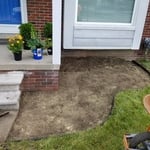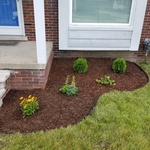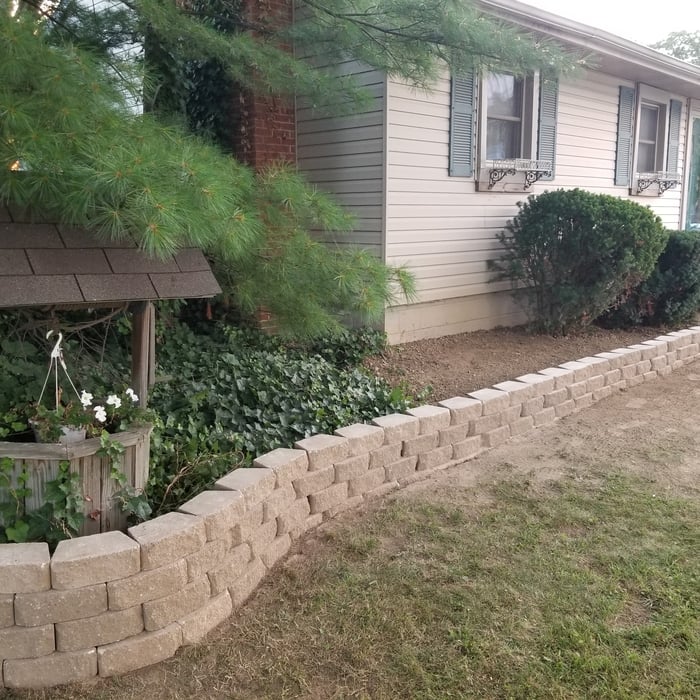






Top-rated excavation pros.

Best excavation pros near Roseville, MI

Enter your zip and get matched with up to 5 pros

Need a pro for your excavation project in Roseville, MI?

Select your specific project to find the pro for you.

TRUSTED BY ROSEVILLE, MI HOMEOWNERS

  • Average homeowner rating star icon4.7
    Average homeowner rating
  • Verified reviews icon10
    Verified excavation services reviews

Top-Rated Excavation pros in Roseville - Updated Nov 2026

Avatar for GreenTHUMB Lawn and Landscape
GreenTHUMB Lawn and Landscape
4.7(
8
)
Landscape - Minor Grading or Resloping

Serving Roseville, MI and surrounding areas

Approved

In business since 2022

Free estimates

Credit card accepted

"I have never had the privilege to work with such an amazing company. Iâ m 100% satisfied. They are so tuned in to what you are saying. They are very knowledgeable,very easy to communicate with and very accommodating. Very clean workers,very respectful, There is not one thing I would of changed. They all have wonderful personalities , great sense of humor, and very hard and dedicated workers."
Response time11 hrs
4 neighbors recently requested a quote

Recommended by100%of homeowners
...
Showing 1-10 of 187
Excavating FAQs, answered by experts

Prior to excavation, you should prepare the dig site and call 311 before you sign anything.

To get your site ready for excavation, you should move anything in the area that isn’t affixed to the land. You can save money on the excavation by removing hardscaping, including walkways, decks, concrete patios, and paver patios.

Before you carry out any digging, you should call 311 to confirm that there are no utility lines running through your excavation site. Skipping this step could lead to severe injury and property damage if your excavator hits a water, sewage, or gas line.

Depth is not a qualifying component of evacuation. Any human-made cut, cavity, or depression in the earth’s surface is considered excavation. The hole from excavation can be any size, shape, or depth. Excavation is used to create foundations, reservoirs, drainage ditches, and roads. Long, narrow excavations are called trenches and are often used for underground utilities.

Downspouts should be buried at least 5 to 10 feet away from your foundation. This can vary depending on your local building codes, soil type, and property slope. The main goal is to ensure water is directed away from your foundation.

Yes, you can excavate in the winter, but it might make the job harder. Frozen ground is harder to dig, and snow or ice can make the work site more hazardous. A contractor may need special equipment and techniques, such as ground-thawing methods, to break through frozen soil. Although winter excavation is possible, it may take longer and be more costly than excavating during warmer months.

Most residential basements are 8 to 10 feet deep. You can dig deeper depending on building codes, but it does become more difficult. You’ll likely need to install stronger foundation walls and additional supports to handle the increased load. Depending on the water table, you may also need a water management system. Clay soil can support a deeper foundation than sandy soil. A structural engineer will be able to tell you the maximum, feasible depth.

The Roseville, MI homeowners’ guide to excavation services

From average costs to expert advice, get all the answers you need to get your job done.