








Top-rated radon detection and reduction specialists.

Get matched with top radon detection and reduction specialists in Long Lake, MI

Enter your zip and get matched with up to 5 pros

Need a pro for your radon detection and reduction project in Long Lake, MI?

Select your specific project to find the pro for you.

Find Radon detection and reduction specialists in Long Lake

Avatar for Central Home Inspections
Central Home Inspections
4.0(
2
)
Radon Gas - Testing

Serving Long Lake, MI and surrounding areas

In business since 2010

Free estimates

Warranties offered

"Mike and his daughter performed the inspections. He was responsive to my questions and doubts and was able to set up the appointment for the next day. I would have expected that the smoke detectors along with the doorbell to be tested - I didn't think of this until after the inspection. I did ask him to check some of the lights (porch, closet) that maybe would have been missed. Price was higher than most but he was able to accommodate my timing."
Heroes Discount
Certifications
Certified Inspection Experts
Annual Home Maintenance Inspections
Certifications

+8

Response time6 hrs
Recommended by100%of homeowners
Radon Detection and Reduction questions, answered by experts

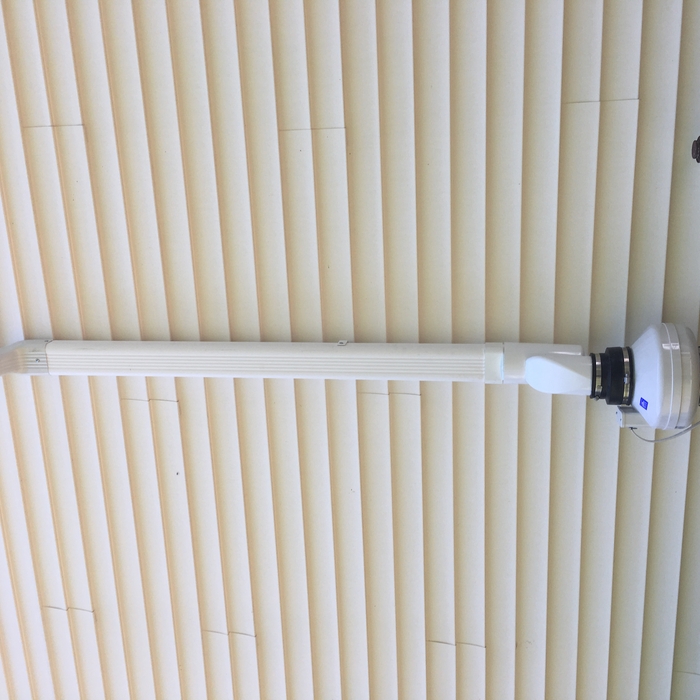
If high radon levels are detected, steps include sealing entry points, installing a mitigation system, and retesting the air regularly to ensure reduced levels.

The soil beneath your house is most likely what’s causing an increased level of radon. This is because soil holds radioactivity for a long time and it’s also what most buildings are built on. Another common source of radon is water from a source that hasn’t been through periodic radon tests, such as well water. Over time, the radon from the soil can inhabit other parts of your house like the foundation or plumbing.

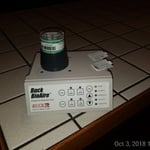
Radon detection is crucial as prolonged exposure to radon gas, a leading cause of lung cancer, poses significant health risks in residential environments.

Mitigation can take several days depending on home setup, equipment accessibility, and achieving effective diffusion system sealed efficiency.

The lifespan of a radon mitigation system depends on the type of system and its maintenance. With proper care, a system can last for many decades. Passive systems tend to last longer as they have fewer components that require replacement. Active systems, which have more moving parts like fans, generally have a shorter lifespan. For instance, water filtration devices and active pressurization systems require more frequent maintenance. While the system as a whole is durable, the radon fan in an active system typically has a lifespan of 5 to 10 years and will need to be replaced. As long as the fan is working, the mitigation system should function correctly.

The Long Lake, MI homeowners’ guide to radon detection and reduction services

From average costs to expert advice, get all the answers you need to get your job done.