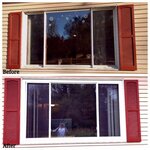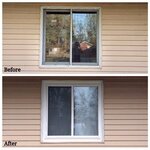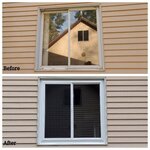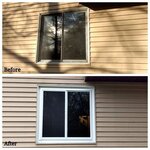






Top-rated siding pros.

Best siding pros near Long Lake, MI

Enter your zip and get matched with up to 5 pros

Need a pro for your siding service project in Long Lake, MI?

Select your specific project to find the pro for you.

Top-Rated Siding pros in Long Lake - Updated Nov 2026

Plattscape Exteriors, LLC
5.0(
1
)
Metal Siding: Repair or Partially ReplaceVinyl Siding - Install or Completely ReplaceVinyl Siding - Repair or Partially Replace+2 more

Serving Long Lake, MI and surrounding areas

In business since 2006

"Joshua the owner was a real professional , he did excellent work for me. I would recommend him to anyone who wants quality work at a fair price. I am planning to put a addition on also the summer of 2007 and will not look any further than Plattscape Exteriors for the work. Rick Collins"
Recommended by100%of homeowners

Siding FAQs, answered by experts

You should plan to stain or refinish your home's cedar siding every three to seven years to maintain its appearance and provide maximum protection, though some estimates suggest a range of four to six years. The exact frequency depends on several factors, including your local climate, exposure to severe weather like direct sunlight, rain, and wind, the quality of the initial stain application, the type of stain used, and the overall condition and quality of the wood.

For homes in harsh climates with high humidity and significant sun exposure, you should plan on staining as often as every three years, while those in milder locations may only need to do so every seven years. For the longest-lasting protection in particularly harsh climates, consider using an opaque stain.

If you are looking for a lower-maintenance alternative, you might consider vinyl or aluminum siding. While the initial installation cost can be higher, they do not require as much upkeep and can offer more value over time, especially in areas with excessive rainfall or high humidity.

Yes, vinyl siding can be installed over existing materials in some cases, assuming the underlying structure is sound and the installation will not cause moisture issues.

Generally speaking, the thicker the siding, the higher the quality. Thicker siding provides a stronger resistance against extreme weather conditions. Thicker siding also tends to fade more slowly under the sun. Hardie boards, a popular fiber cement siding option, is usually 5/16 inches thick. Meanwhile, masonry-finished cement siding varies from 5/8 to 5/8 inches thick.

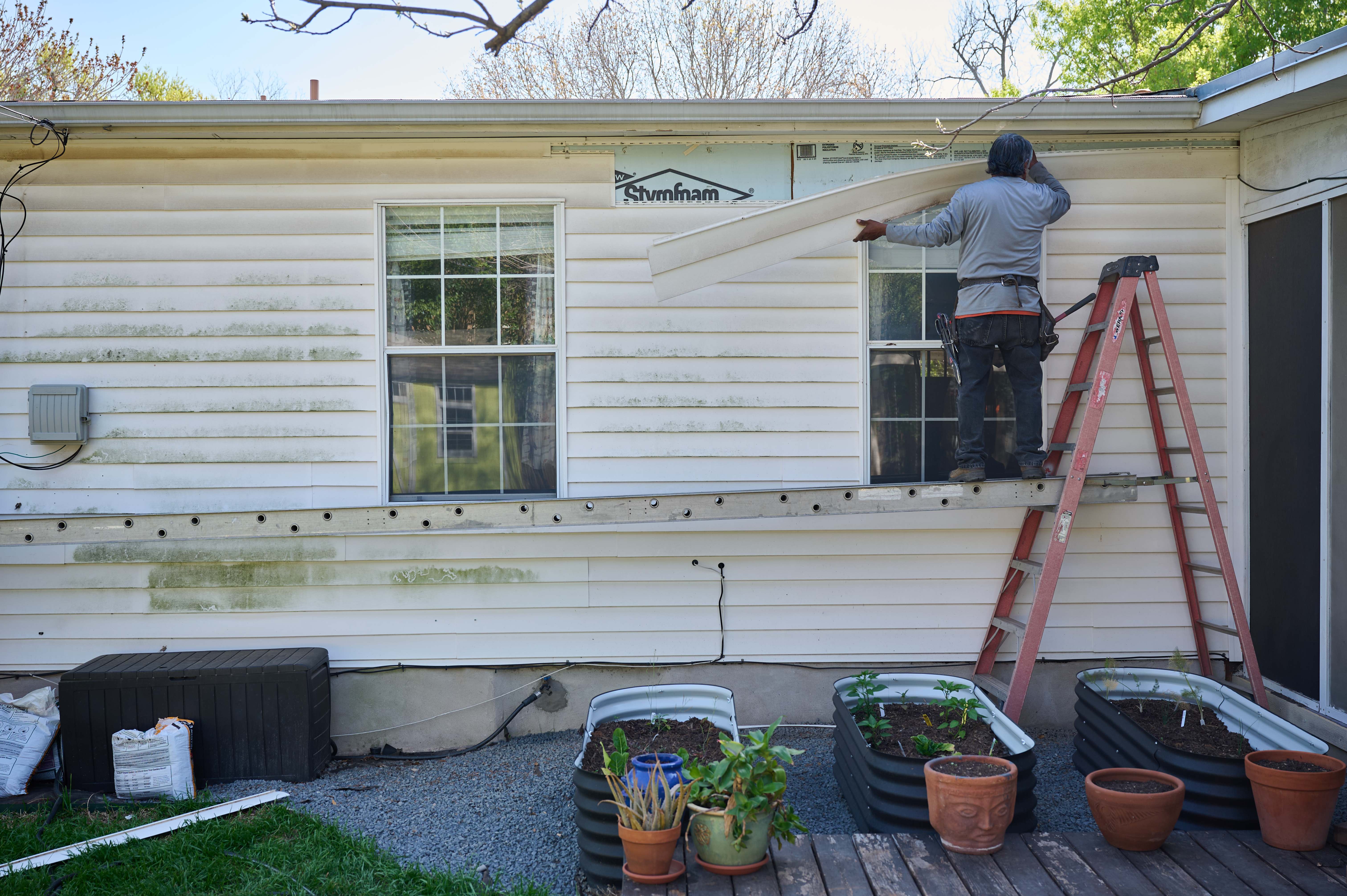
You can put new siding over clapboards, but it’s not recommended. Some sidings, like vinyl siding, can go over clapboards with sheathing like a foam layer in between. However, it’s best to remove clapboard siding if you plan on replacing it with new siding. Burying wood clapboards underneath new siding can create risks of rot and mold, or hidden insect damage. It can also create warping issues over time. Removing clapboards allows you to properly install a new sheathing, as well as clean up the exterior wall and look for any signs of damage.

Not wrapping a house before installing siding can lead to moisture intrusion, rot, mold, and even higher energy bills. Older houses may have siding installed without wrap underneath, so it’s a good idea to add a wrap layer when it comes time to replace old siding to prevent potential damage from water intrusion—local codes may even require it, so check with your municipal building authority. 

The Long Lake, MI homeowners’ guide to siding services

From average costs to expert advice, get all the answers you need to get your job done.