






Top-rated paving pros.

Get matched with top paving pros in Leland, MI

Enter your zip and get matched with up to 5 pros

Need a pro for your paving service project in Leland, MI?

Select your specific project to find the pro for you.

Find Paving pros in Leland

PENINSULA PAVERS
4.4(
5
)
Asphalt Paving - InstallAsphalt Paving - Install- For BusinessAsphalt Paving - Repair or Patch+2 more

Serving Leland, MI and surrounding areas

In business since 1994

Free estimates

Credit card accepted

"The price was fair. When they originally came to do it, there was not enough road gravel down so we had to have the other guy come back and redo that. We kept getting a promise date and then they wouldn't show. It took a while to get them back so we were a little disappointed with them. We couldn't reach them. We would leave messages and they wouldn't call back. Since we missed our first opportunity, then we got pushed back and they took care of the other places. They should have responded and let us know. When they finally did come the crew was great and the finished product was good. The pricing was in the ballpark. This was set up through our contractor. They did finally come when they said but it took 3 times. We might look for somebody else in the future."
Recommended by75%of homeowners
Showing 1-10 of 33
Paving Services questions, answered by experts

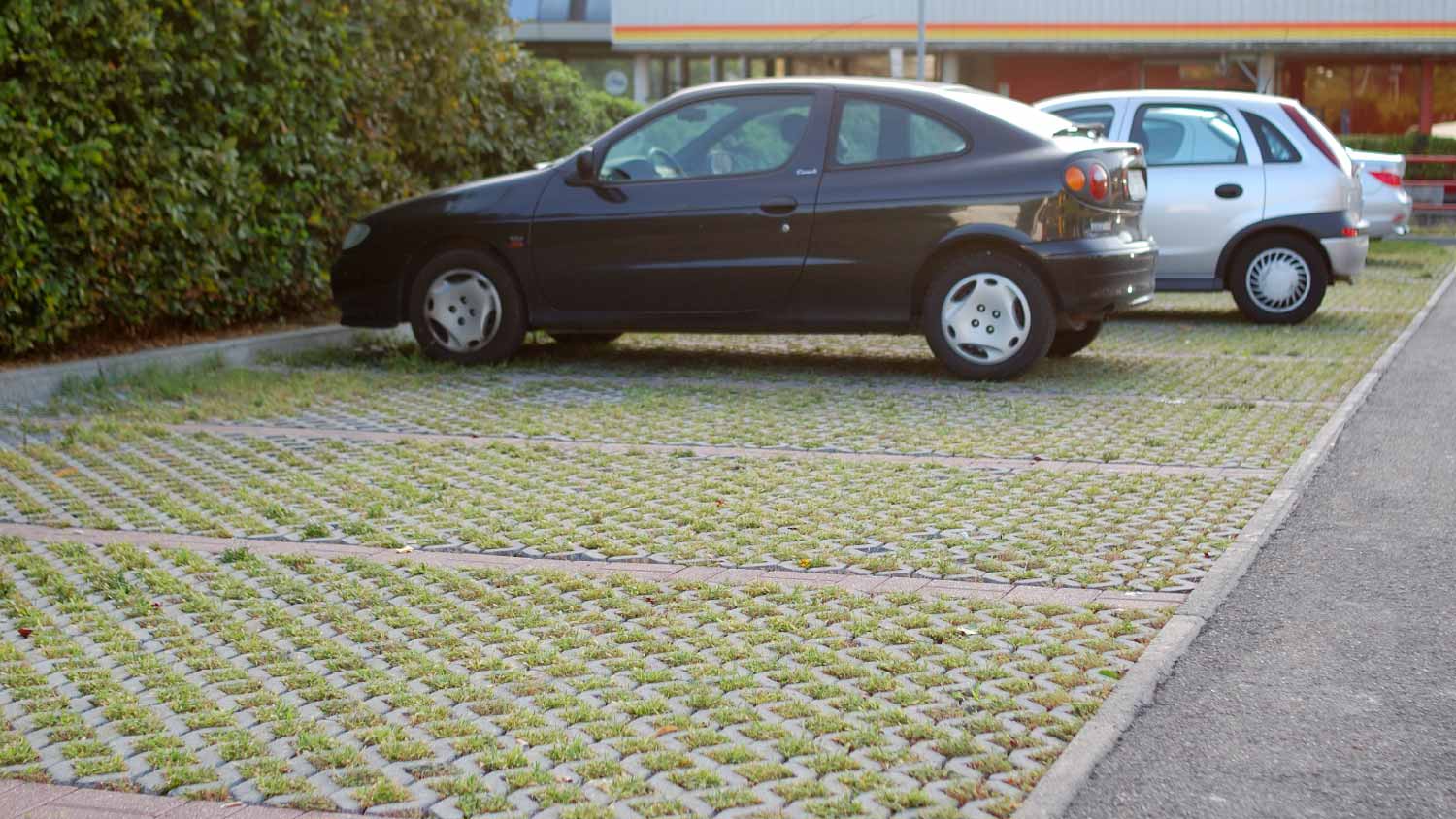
If you're designing a new patio in an area with poor drainage, permeable pavers made from porous materials may help prevent water issues. Most permeable pavers feature a gravel-only aggregate base instead of a concrete base to allow water to flow through instead of getting trapped. While beneficial in some cases, permeable pavers come with higher initial costs and greater load-bearing limitations compared to traditional pavers.

Asphalt and tarmac are not the same thing. Traditional tarmac, short for tarmacadam, uses tar as a binder to hold crushed stone together. Asphalt uses bitumen—a byproduct of crude oil—to bind aggregate. Though tarmac was once a go-to for roads, asphalt has become the modern standard. And these days, most surfaces referred to as “tarmac” are actually asphalt. So, while the names may overlap, the key distinction lies in the binder—tar for tarmac and bitumen for asphalt.

After removing existing moss, consider using paver blocking sand to fill the joints. This specialty material hardens once placed and serves as an effective barrier against moss and weeds. From there on, regularly clean your pavers and try to keep them dry. You can also seal your paver as a semi-permanent solution — just make sure you reseal every 3 to 5 years.

A driveway approach is the part of a driveway where the public road meets the private driveway. This section contains several key elements, including the driveway apron, the curb cut, and the end slope. Depending on the slope of the driveway, this area may also contain the trench drain.

The best way to stop your pavers from sinking is to ensure you've properly compacted the base layers. Use your paver compactor and work over the base layer several times to create the hardest possible base. If the soil and sand of your base are compact, you’ll experience less shifting and sinking.

The Leland, MI homeowners’ guide to paving services

From average costs to expert advice, get all the answers you need to get your job done.