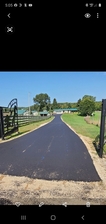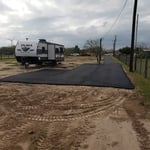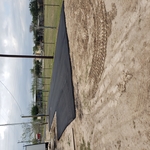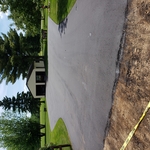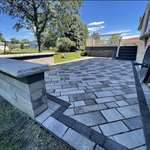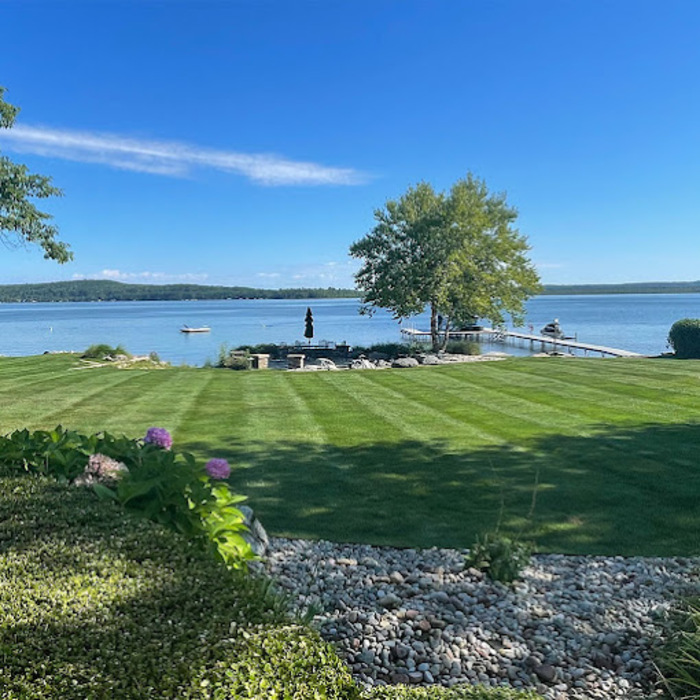






Top-rated paving pros.

Get matched with top paving pros in Alden, MI

Enter your zip and get matched with up to 5 pros

Need a pro for your paving service project in Alden, MI?

Select your specific project to find the pro for you.

TRUSTED BY ALDEN, MI HOMEOWNERS

  • Average homeowner rating star icon4.8
    Average homeowner rating
  • Verified reviews icon17
    Verified paving services reviews

Find Paving pros in Alden

Avatar for Lake Life Lawncare & Maintenance
Lake Life Lawncare & Maintenance
4.9(
35
)

Serving Alden, MI and surrounding areas

Approved

In business since 2018

Free estimates

Small jobs welcome

"The owner is reliable and professional and genuinely cares about doing a good job.When he had to take over for a different lawn care service he was quick to answer my call and to make things work."
Plowing snow
Response time8 hrs
Recommended by100%of homeowners
Avatar for Liquid Roofing and Construction
Liquid Roofing and Construction
4.5(
15
)

Serving Alden, MI and surrounding areas

In business since 2004

Free estimates

Emergency services offered

"The Liquid Construction Team was awesome. They are efficient, thorough, and professional. Their prices are very reasonable and competitive. Their commitment to customer satisfaction is exceedingly obvious."
Additional Photos
Additional Photos
Additional Photos
Additional Photos
Additional Photos

+51

Recommended by100%of homeowners
Showing 1-10 of 43
Paving Services questions, answered by experts

While blacktop is a type of asphalt, the terms should not be used interchangeably, as not all asphalt qualifies as blacktop. The primary differences are in their composition, production process, and ideal applications. Blacktop contains more stone than other types of asphalt and is heated to a higher temperature during production—300°F or more—while hot-mix asphalt is heated to between 275°F and 300°F. The ratio of bitumen (a tar-like crude oil) is a key differentiator, though sources vary: some state blacktop has less bitumen, making it less durable, while others claim it has a higher ratio. Due to these differences, asphalt is generally more durable and better for high-traffic areas like highways and streets, while blacktop is more suitable for playgrounds and residential driveways. For a driveway project, it is best to consult a professional to determine the most appropriate material.
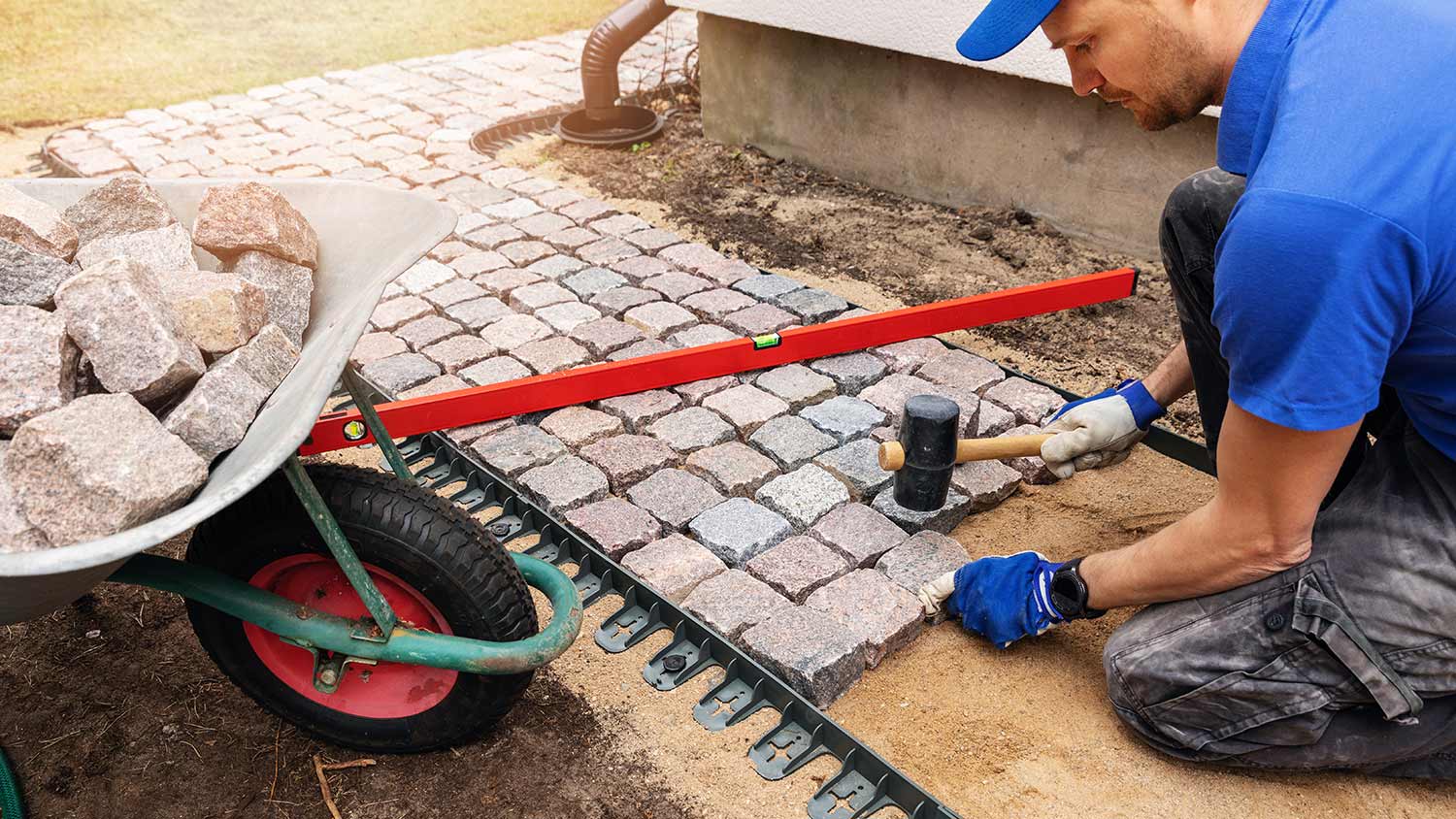
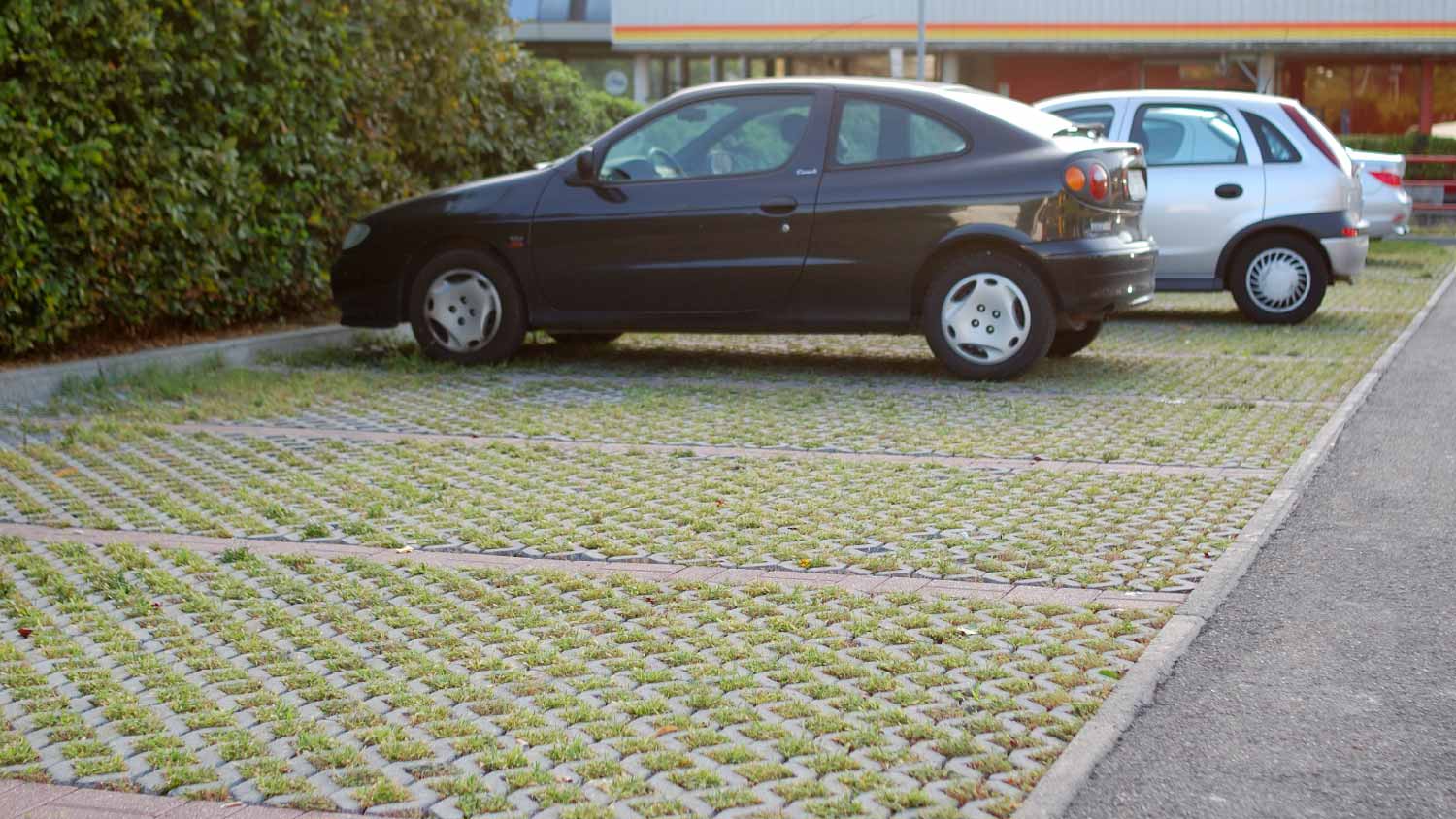
An example of permeable paving is a set of cinder blocks or natural stone pavers with room inside for natural materials, such as gravel, sand, or grass. You can also design these pavers with brick or plastic tiles.

In addition to these pavers, permeable pavement can be obtained by using a highly porous material, such as pervious concrete or pervious asphalt.

Yes, it is possible to pave over an existing driveway, but whether it's the right choice depends on several factors. If the underlying structure of your current driveway is still strong, concrete or asphalt resurfacing can be a cost-effective way to prolong its life. However, if your driveway has significant issues like potholes, deep cracks, or other inconsistencies, it is best to remove the old driveway and start from scratch. Key factors to consider include the current driveway's condition, the compatibility of the new material, the added thickness and height, and the necessary surface preparation.

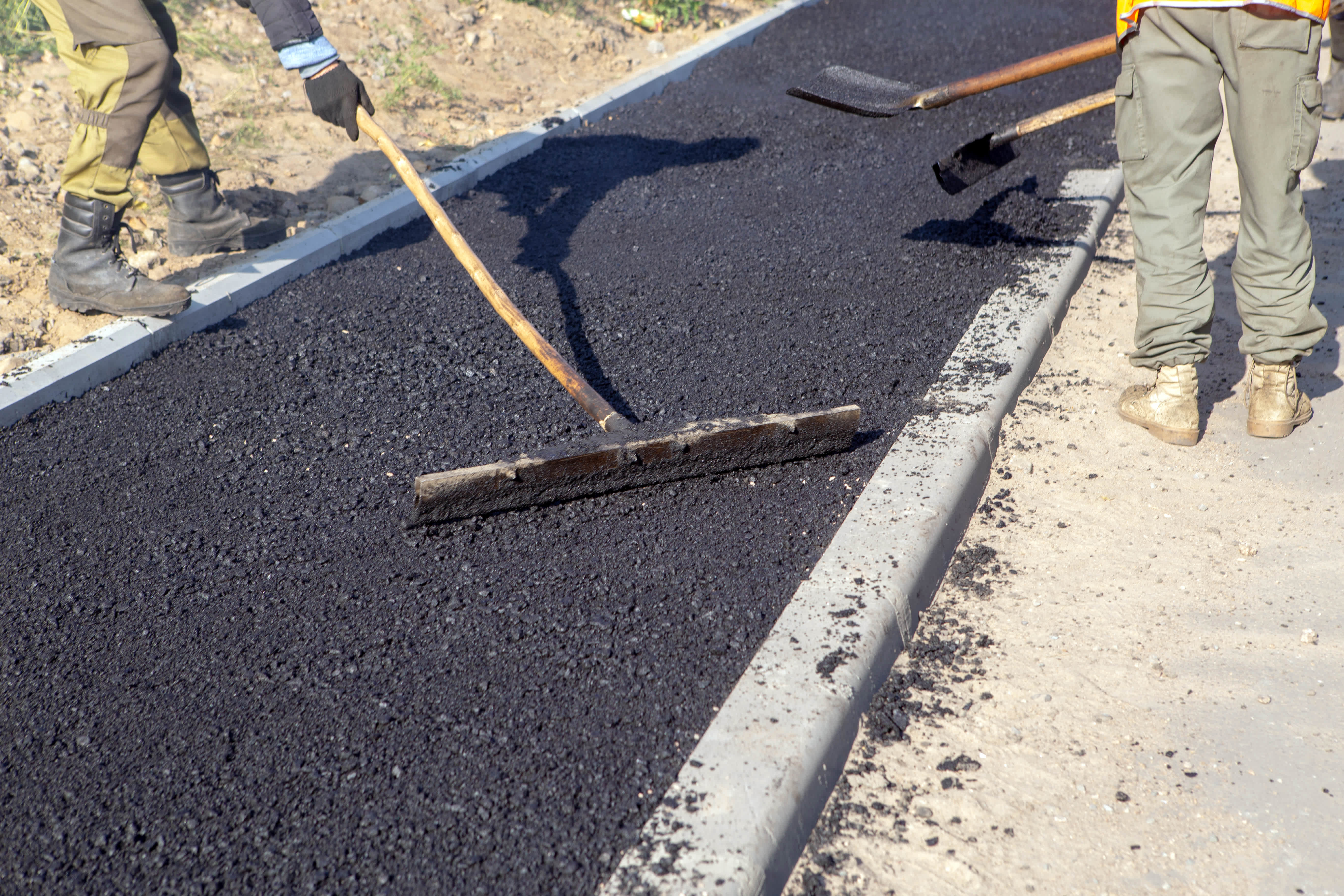
It takes recycled asphalt 48 hours to initially harden and up to 3 months to fully cure. It’s best to stay off of recycled asphalt for at least 48 hours, then you can walk or drive standard vehicles on it. Hold off on driving heavy trucks or equipment on it for at least 7 days. Allowing the surface to melt together and harden ensures that the surface stays durable and long-lasting. 

Asphalt and tarmac are not the same thing. Traditional tarmac, short for tarmacadam, uses tar as a binder to hold crushed stone together. Asphalt uses bitumen—a byproduct of crude oil—to bind aggregate. Though tarmac was once a go-to for roads, asphalt has become the modern standard. And these days, most surfaces referred to as “tarmac” are actually asphalt. So, while the names may overlap, the key distinction lies in the binder—tar for tarmac and bitumen for asphalt.

The Alden, MI homeowners’ guide to paving services

From average costs to expert advice, get all the answers you need to get your job done.