Top-rated paving pros.

Get matched with top paving pros in Glen Arbor, MI

Enter your zip and get matched with up to 5 pros

Need a pro for your paving service project in Glen Arbor, MI?

Select your specific project to find the pro for you.

Find Paving pros in Glen Arbor

Reddy Asphalt
3.5(
11
)
Asphalt Paving - InstallAsphalt Paving - Install- For Business

Serving Glen Arbor, MI and surrounding areas

In business since 2019

Free estimates

Offers commercial services

"7/18/2023 ~ â­ ï¸ â­ ï¸ â­ ï¸ â­ ï¸ â­ ï¸ I am gobsmacked at the work of art left where my ugly driveway used to reside by Justin, Jesse, Buster & crew at Reddy Asphalt. So thankful their flier made it to my mailbox!! The tar and chip seal process was fascinating to watch, and the crewâ s attention to detail mesmerizing. I could not be happier. Great people, great job. Highly recommended!!!"
Response time11 hrs
Recommended by85%of homeowners
PENINSULA PAVERS
4.4(
5
)
Asphalt Paving - InstallAsphalt Paving - Install- For BusinessAsphalt Paving - Repair or Patch+2 more

Serving Glen Arbor, MI and surrounding areas

In business since 1994

Free estimates

Credit card accepted

"The price was fair. When they originally came to do it, there was not enough road gravel down so we had to have the other guy come back and redo that. We kept getting a promise date and then they wouldn't show. It took a while to get them back so we were a little disappointed with them. We couldn't reach them. We would leave messages and they wouldn't call back. Since we missed our first opportunity, then we got pushed back and they took care of the other places. They should have responded and let us know. When they finally did come the crew was great and the finished product was good. The pricing was in the ballpark. This was set up through our contractor. They did finally come when they said but it took 3 times. We might look for somebody else in the future."
Recommended by75%of homeowners
Showing 1-10 of 31
Paving Services questions, answered by experts

Maintaining a driveway depends on its material. For concrete and asphalt, it's best to clean the surface thoroughly twice a year with a stiff broom and a pressure washer to remove accumulated dirt and debris. Sealing the driveway is crucial to protect it from water damage and freeze-thaw cycles. Before applying a sealant, pressure wash the surface to remove any loose sealant, dirt, or stains, as sealing over them will trap them. Any cracks or expansion joints should be filled with a flexible polyurethane caulk or asphalt sealer. In colder climates, use sand instead of salt for de-icing. Sand helps melt snow and ice without accelerating the freeze-thaw process, which can cause cracks.

If your driveway is cracked, you can repave it with a process called asphalt overlay. Overlay is more cost-effective than a full replacement but is better suited for minor cracks and issues. If you have major cracks or other problems like water pooling, asphalt overlay isn’t your best bet. Plus, paving over a cracked driveway only extends the lifetime by about 10 years, whereas replacing it would start the clock over completely to give you up to 30 years.

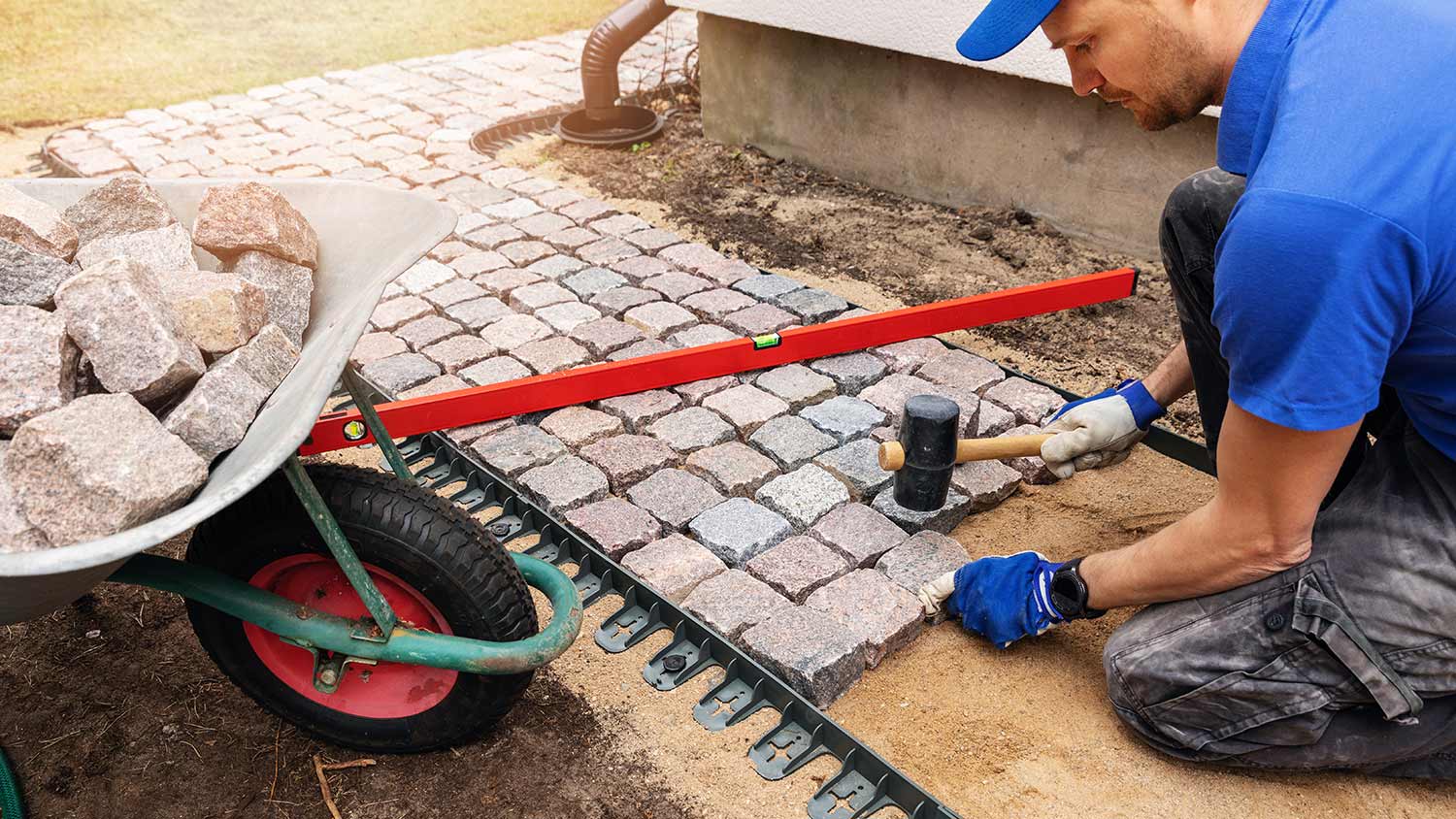
The most common causes of sunken pavers are poor base preparation and insufficient compaction. The problem could also be how your pavers were installed. If the soil beneath your patio or walkway wasn't compacted, it will pull pavers down as it settles. Additionally, using bare soil instead of making a paver bed with compacted gravel and sand can cause sinking over time. To fix sunken pavers, consider recompacting the base and addressing any drainage or erosion issues in the area.

While it may be less expensive initially to lay concrete vs. pavers, the long-term expenses that come with repairing concrete may prove to be less cost-friendly than simply replacing a few damaged pavers. On top of that, stamped concrete may only last for 25 years compared to pavers, which can last over 50 years.

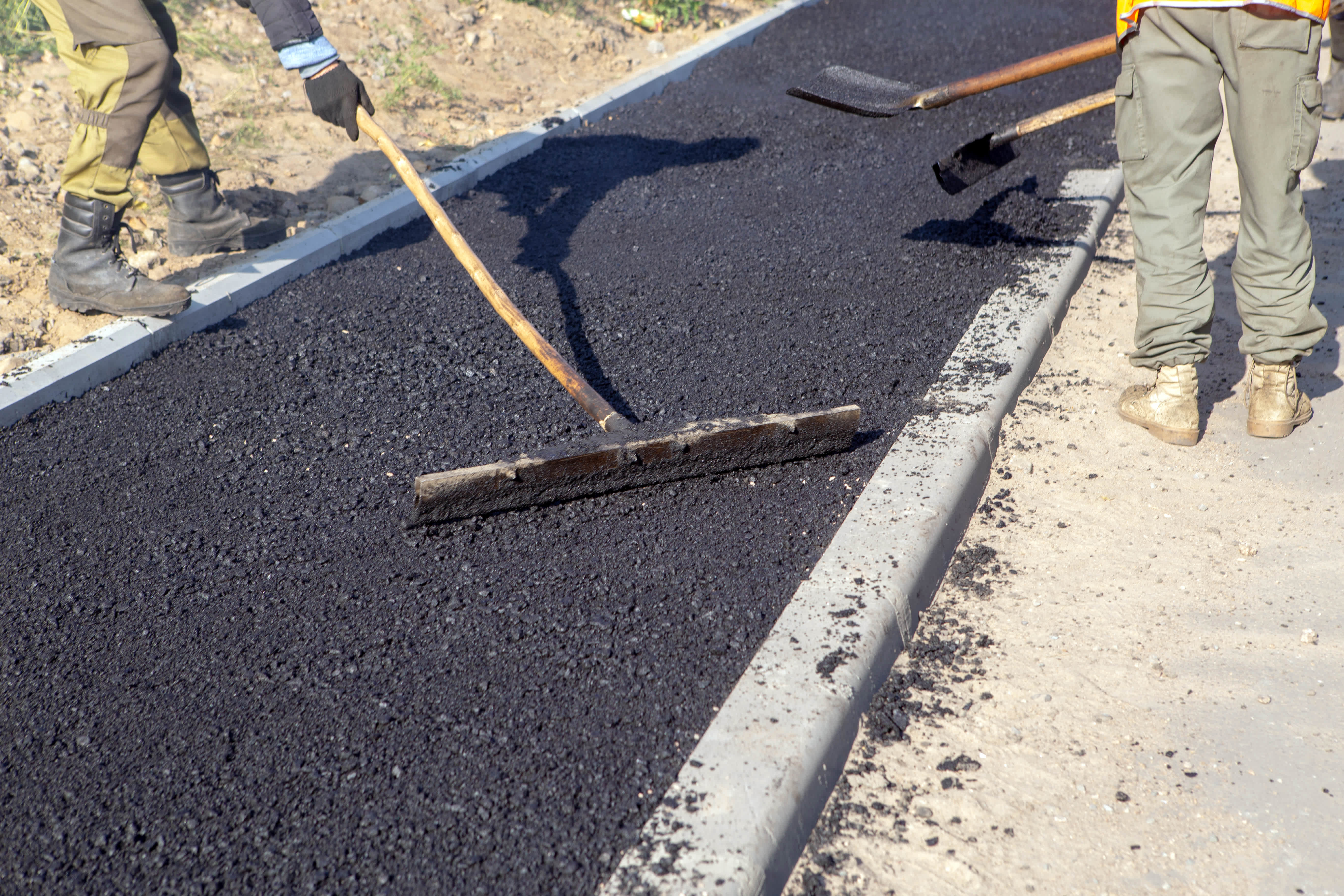
Asphalt and tarmac are not the same thing. Traditional tarmac, short for tarmacadam, uses tar as a binder to hold crushed stone together. Asphalt uses bitumen—a byproduct of crude oil—to bind aggregate. Though tarmac was once a go-to for roads, asphalt has become the modern standard. And these days, most surfaces referred to as “tarmac” are actually asphalt. So, while the names may overlap, the key distinction lies in the binder—tar for tarmac and bitumen for asphalt.

The Glen Arbor, MI homeowners’ guide to paving services

From average costs to expert advice, get all the answers you need to get your job done.