




Top-rated radon detection and reduction specialists.

Get matched with top radon detection and reduction specialists in Highland Park, MI

Enter your zip and get matched with up to 5 pros

Need a pro for your radon detection and reduction project in Highland Park, MI?

Select your specific project to find the pro for you.

Find Radon detection and reduction specialists in Highland Park

Avatar for Robert Home Inspections LLC
Robert Home Inspections LLC
5.0(
10
)
Radon Gas - Testing

Serving Highland Park, MI and surrounding areas

Approved

Free estimates

Credit card accepted

Offers commercial services

"Robert was very pleasant to work with. He answered my request for a quote within minutes of my request. His price was lower than other quotes. He stayed in touch with me and showed up on time. Robert took his time and did a through inspection of my home. He explained issues he found and suggestion on how to fix some. His written explanation was documented with many pictures. I would highly recommend Robert for inspections of your home. Thank you!"
Avatar for Full View Inspections, LLC
Full View Inspections, LLC
5.0(
7
)
Radon Gas - Testing

Serving Highland Park, MI and surrounding areas

Approved

In business since 2021

Free estimates

Warranties offered

"Very personable and easy to work with. I used them to help me with my house inspections. Would recommend this company to anyone needing a home inspection. I will use them again for other inspections in the future."
Missing Shingles
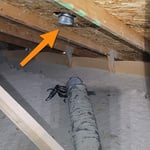
Exhaust Vent Issues
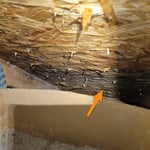
Damaged Sheathing
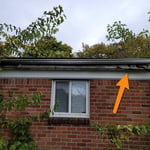
Damaged Facia
Response time50 mins
Response rate88%
Recommended by80%of homeowners
Avatar for Buyer's Inspector LLC
Buyer's Inspector LLC
4.9(
134
)
Radon Gas - Testing

Serving Highland Park, MI and surrounding areas

In business since 1986

Free estimates

Credit card accepted

"Patrick was pivotal in credibly identifying safety, code, workmanship, quality, and structural issues on our home addition and garage project done by a Mason, Michigan builder who, despite being verified as licensed and insured with a 5 star review rating, proved to be a failure on all levels of home building. Until the inspection with Patrick of The Buyer’s Inspector, we had no idea how grossly misplaced our trust was in this builder. When COVID-19 shutdown our project we began noticing quality problems. This led us to hire Patrick from The Buyer’s Inspector. He was thorough, detailed, and spot on for the major problems as well as minor issues he identified during his inspection, including the multiple structural deficiencies. He recommended we hire a structural engineer to investigate these deficiencies in detail and the engineer verified all of Patrick's findings. It has been a very trying time legally fighting for our project to be done right but we thank Patrick for identifying all the problems using his extensive knowledge, experience, and understanding of Michigan's Building Construction Codes and industry standard building practices. Without his help we would have likely been stuck with this horrible build project that is riddled with safety, structural, workmanship, quality, and code issues. We highly recommend Patrick to anyone needing a thorough and detailed home inspection."
Patrick Lyons
Recommended by97%of homeowners
Showing 1-10 of 36
Radon Detection and Reduction questions, answered by experts

The fan that pulls the radon out of the air needs to run continuously, so you may see an increase in your electric bill once you install the mitigation system. Additionally, you may see an increase in your heating or cooling bills, as the fan can cause some loss of hot or cool air.

The average radon mitigation system uses about 876 kWh of electricity per year, although the exact amount of electricity used will vary depending on the size of the radon fan. Once the system is installed, the annual increase to your energy bill could range from $30 to $300 per year, again depending on the size of the fan.

Installing a mitigation system reduces radon levels, which can cause lung cancer, providing peace of mind and long-term health benefits. It can also increase your home’s value, as many buyers prefer properties with radon safety measures in place. The investment is relatively low compared to the potential health risks associated with prolonged radon exposure.

The lifespan of a radon mitigation system depends on the type of system and its maintenance. With proper care, a system can last for many decades. Passive systems tend to last longer as they have fewer components that require replacement. Active systems, which have more moving parts like fans, generally have a shorter lifespan. For instance, water filtration devices and active pressurization systems require more frequent maintenance. While the system as a whole is durable, the radon fan in an active system typically has a lifespan of 5 to 10 years and will need to be replaced. As long as the fan is working, the mitigation system should function correctly.

You'll need to test your home for radon after installing the mitigation system, then again every two years. If radon remains elevated, contact a licensed radon professional, either the contractor who installed the system or a different one, and have them evaluate the system. They may need to make some changes to improve its effectiveness and performance.

The Highland Park, MI homeowners’ guide to radon detection and reduction services

From average costs to expert advice, get all the answers you need to get your job done.