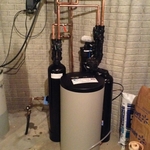
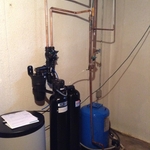
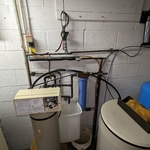
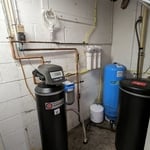
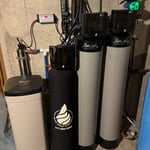
"Quick return call for meeting and quote for new water softener. Quick and smooth installation of the new water softener. Old softener hauled away at no additional charge."
Leaf Home Water Solutions provides best-in-class water filtration and softener products for healthy, purified water that protects both the home and family. With state-of-the-art water testing materials, dedication to White Glove installation and service, best-in-class products, and the support of the nation's largest home solutions company, homeowners can feel confident choosing Leaf Home Water Solutions. Since all installations are tailored to specific water needs, custom solutions may include enhanced impact on hair and skin, energy savings on bills, increased appliance longevity, and elimination of hard water contaminants like calcium and magnesium, while also combatting taste and odor issues by filtering out chlorine and other organic compounds. The team of professionals at Leaf Home Water Solutions takes great pride in knowing that families are provided with the cleanest, crispest, and heathiest water possible.
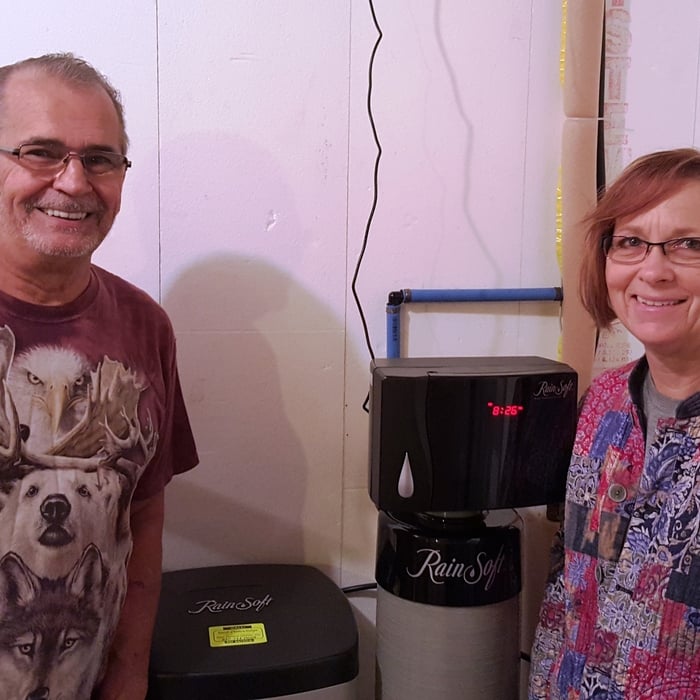
"RainSoft of Northern Michigan has improved our water. I can see a difference in the laundry, coffee tastes better, cleaning the bathrooms & kitchen is easier, & showing is actually a pleasure (not a chore). Very happy we decided on RainSoft of Northern Michigan from the sales representative to the installation Technician."
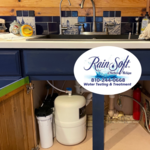
"Jalen was an outstanding technician. He did a thorough assessment of our equipment and made sure everything was working. He also changed the filters on my RO system to ensure my family has the best drinking water possible. Thank you for sending such a great tech to our home."
"Tim was just here. He is very friendly and knowledgeable. I couldn't have asked for a better appointment, and my new water softener will be installed tomorrow!"
"I have called this company to repair a leaky toilet as well as repair to my water heater. In both instances, they responded quickly, were professional, friendly, and able to expertly make the needed repairs. I highly recommend Brock Mechanical and going forward will choose to call on them for needed services."
"Great people to work with. We had a water softener and carbon filter installed and they work great. The well water has a lot of iron and some sulfur that smelled a little bad. After the system was installed the water is clear and has no smell at all. I highly recommend this company."
"We just moved into our house from city water to well water. We did not understand the water softener system the tech took the time to explain how it works. He was very friendly and I would call them back for future service if needed."
Yes, a water softener can remove scale deposits. According to the U.S. Department of Energy, after you add a water softener to your home, “gradually the softer water will dissolve limescale scale deposits and remove the problem entirely.” Installing a water softener—or water descaler—will also help prevent new scale deposits from forming.
A water softener is a worthwhile investment if you live in an area with hard water. While hard water is safe to drink, it contains minerals like calcium and magnesium that can cause significant problems over time. These minerals build up inside pipes, reducing water flow and eventually corroding the plumbing system, which can lead to leaks and a shortened lifespan. Hard water also damages fixtures and appliances, potentially resulting in costly repairs. Additionally, it makes soaps and detergents less effective, meaning you'll use more product to get things clean. By installing a water softener, you can prevent these issues. The initial investment is often recouped through long-term savings, including lower energy bills, reduced appliance and plumbing maintenance, and spending less on soap and cleaning supplies. Other benefits include cleaner linens, dishes, and clothing, as well as softer water that is gentler on your skin and hair. In some areas, a water softener can also increase your home's value, making it a valuable long-term investment.
Water softeners have many benefits. The most important one is converting previously hard water—water with too many minerals—to more usable, easier water. When we say easier water, we mean water that’s easier to digest, less harsh on skin and clothes, and builds up less in the water system. Softer water may lead to lower energy costs and will extend the lifespan of all appliances that use water.
Choosing involves understanding water hardness levels, household size, desired features, and consulting professionals experienced in suitable system types.
While not everyone can detect taste differences in high-calcium water, water that has a slightly metallic taste probably has too much calcium.
The Genoa, MI homeowners’ guide to water softener services
From average costs to expert advice, get all the answers you need to get your job done.
Water softener repair costs can add up, but they’re almost always worthwhile. Use this guide to see what your project is going to cost before you get started.
Water softeners work to remove unwanted minerals from hard water through a filtration and recharge cycle. Keep reading to learn how a water softener works.
There are four common softener alternatives available on the market today. We compare and contrast each one to help you find your best-fit solution in this blog.
Water softeners rid your home of hard minerals and, well, soften your water. Even better, the regeneration process is an automatic cycle that works when you’re least likely to use it.