




Top-rated radon detection and reduction specialists.

Best radon detection and reduction specialists near North Street, MI

Enter your zip and get matched with up to 5 pros

Need a pro for your radon detection and reduction project in North Street, MI?

Select your specific project to find the pro for you.

Top-Rated Radon detection and reduction specialists in North Street - Updated Nov 2026

Avatar for Epic Radon Solutions
Epic Radon Solutions
4.9(
140
)
Radon Gas - Abatement

Serving North Street, MI and surrounding areas

Approved

In business since 2021

Free estimates

Small jobs welcome

"We had a special situation, and Epic was the only company willing to come out to help us evaluate the best location for installation. Installer was great - he recognized asbestos tile on the basement floor, and recommended appropriate remediation service. System is basically invisible - no ugly pipe up the outside of the house! Follow-up test shows radon level reduced to well under recommended minimum."
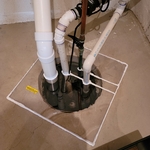
Standard Radon Mitigation
Response time12 hrs
Response rate90%
60 neighbors recently requested a quote
Avatar for Robert Home Inspections LLC
Robert Home Inspections LLC
5.0(
10
)
Radon Gas - Testing

Serving North Street, MI and surrounding areas

Approved

Free estimates

Credit card accepted

Offers commercial services

"Robert was extremely efficient and knowledgeable. He did our home inspection very quickly and thoroughly, even mentioning a few minor things that we may not have noticed, definitely worth giving him a call"
2 neighbors recently requested a quote

Avatar for SWAT Environmental, Inc.
SWAT Environmental, Inc.
4.3(
251
)
Radon Gas - Abatement

Serving North Street, MI and surrounding areas

In business since 1988

Free estimates

Credit card accepted

"SWAT did a great job installing the radon mitigation system in my house. They were very responsive, coming out quickly to provide a quote and offered a discount if the neighbors in the connecting townhouse would sign on as well. Installation was quick and the system was installed with no problem whatsoever. The radon levels in my house dropped from a reading of 12 to “undetectable” in just a couple of weeks."
Recommended by92%of homeowners
Double Check Inspect
3.8(
26
)
Radon Gas - Testing

Serving North Street, MI and surrounding areas

In business since 2000

Free estimates

Credit card accepted

"I hired Double Check to do an inspection for a personal decision of "Repair or Replace". Justin came out, performed the inspection, took photographs and answered all my questions. He found some issues like a few shingles missing, popped nailheads and the like. We discussed the Repair or Replace decision. Very knowledgeable and easy to deal with. Highly recommended."
Response time3 hrs
Recommended by80%of homeowners
Showing 1-10 of 12
Radon Detection and Reduction FAQs, answered by experts

Your radon mitigation system may be loud because it’s time to replace it. Any sounds are usually from the inline fan that helps create the vacuum and resulting airflow. If you hear a new, loud mechanical or humming noise from your radon fan, it might be time to replace it. Most fans used in radon mitigation systems last up to 10 years, but may need to be replaced sooner.

No level of radon is technically safe, but since it is naturally present everywhere, it is impossible to avoid entirely. The average radon level in homes across the United States is 1.3 picocuries per liter (pCi/L). The Environmental Protection Agency (EPA) recommends taking action to reduce radon levels if your home's test results are between 2 and 4 pCi/L or higher.

Yes, many systems include warranties for performance. Confirm terms with your installer.

The average radon mitigation system uses about 876 kWh of electricity per year, although the exact amount of electricity used will vary depending on the size of the radon fan. Once the system is installed, the annual increase to your energy bill could range from $30 to $300 per year, again depending on the size of the fan.

The natural breakdown of uranium in soil, rock, and water can cause radon to appear in a home. The gas seeps into homes through cracks in foundations, walls, or floors, as well as through gaps around pipes or construction joints. Radon levels are influenced by soil composition, building materials, and ventilation. Poorly sealed or airtight homes can trap radon, allowing it to accumulate.

The North Street, MI homeowners’ guide to radon detection and reduction services

From average costs to expert advice, get all the answers you need to get your job done.