





Top-rated retaining wall installation pros.

Get matched with top retaining wall installation pros in Evart, MI

Enter your zip and get matched with up to 5 pros

Need a pro for your retaining wall installation project in Evart, MI?

Select your specific project to find the pro for you.

TRUSTED BY EVART, MI HOMEOWNERS

  • Average homeowner rating star icon4.4
    Average homeowner rating
  • Verified reviews icon21
    Verified retaining wall installation services reviews

Find Retaining wall installation pros in Evart

Avatar for Northern Ground Services
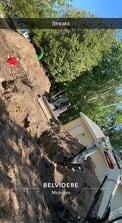
Northern Ground Services
New to Angi
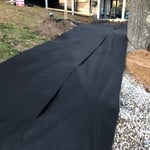
Retaining Wall - Install

Serving Evart, MI and surrounding areas

Approved

In business since 2003

Free estimates

Emergency services offered

Northern Ground Services has become a staple of professionalism and quality work in Michigan for years. With decades of experience, there is no job too large or small. Call today to schedule an appointment!

Response time4 days
16 neighbors recently requested a quote
Showing 1-10 of 28
Retaining Wall Installers questions, answered by experts

If you don’t backfill a retaining wall—either at all or adequately enough—the wall won’t drain well, and water will be able to pass through it. Poor drainage will lead to a warped wall or a buildup of hydrostatic pressure, which can eventually collapse your retaining wall. If you have particularly sloped land, consult a structural engineer to ensure your hardscaping is adding value to your home.

A retaining wall can only function as a fence if it’s high enough on all sides to prevent someone from accidentally falling into the pool. However, most retaining walls retain dirt, which means their purpose is not related to safety. There would need to be nothing on the other side of the wall for it to be considered a fence, but in that case, it wouldn’t retain anything and would cease to be a retaining wall.  

Generally speaking, a retaining wall should be between 3 and 4 feet high, depending on variables such as the wall-building material, the purpose of the retaining wall, and more. If you want your retaining wall to be taller than 4 feet, check with your local building ordinance office for the maximum allotment. You may also need a special permit for retaining walls over 4 feet tall.

The lifespan of a retaining wall varies based on its material, installation quality, maintenance, and local climate, with an average range of 20 to 100 years. Retaining walls made from durable materials like concrete, stone, and brick generally last a minimum of 50 years. Concrete walls typically last between 50 and 100 years, while brick can last for over a century in ideal conditions. Timber retaining walls can last from 20 to 40 years, depending on the wood quality, and pressure-treated wood walls average around 30 years. It is important to note that a retaining wall can fail prematurely if it was poorly constructed, for example, with inefficient footings or without necessary rebar reinforcements.

Most railroad tie retaining walls have a life span of 20 to 30 years, though you may need to replace your wall sooner if it’s repeatedly exposed to heavy rain, runoff, and excess moisture. Railroad ties are typically treated with creosote, which makes them much more durable than untreated wood. Though they last longer, they don’t last forever. For the most longevity, make sure your retaining wall has a sturdy base and steel reinforcements. You should also install drainage to direct water away from the wall.

The Evart, MI homeowners’ guide to retaining wall installation services

From average costs to expert advice, get all the answers you need to get your job done.