




Top-rated radon detection and reduction specialists.

Get matched with top radon detection and reduction specialists in Clinton Township, MI

Enter your zip and get matched with up to 5 pros

Need a pro for your radon detection and reduction project in Clinton Township, MI?

Select your specific project to find the pro for you.

Find Radon detection and reduction specialists in Clinton Township

Bench-Mark Home Inspections, LLC
5.0(
9
)
Radon Gas - Testing

Serving Clinton Township, MI and surrounding areas

Approved

Super Service Award Winner

In business since 2025

Free estimates

Warranties offered

"Great experience! Extremely fair pricing, very professional, and provided an extensive and thorough inspection report. I would definitely recommend Bench-Mark to anyone in the process of purchasing a home or starting a remodeling project."
Response time6 hrs
Response rate85%
64 neighbors recently requested a quote
Avatar for Full View Inspections, LLC
Full View Inspections, LLC
5.0(
7
)
Radon Gas - Testing

Serving Clinton Township, MI and surrounding areas

Approved

In business since 2021

Free estimates

Warranties offered

Full View Home Inspections is known for our extensive market knowledge and unmatched devotion to clients, our success is based almost exclusively on positive referrals. We earn the respect of our clients by working on their behalf and by always offering them candid advice. For most people your home is your largest investment. Full View Home Inspections can show you how to maintain and repair your largest investment. With 25+ years of experience building, renovating, buying and selling residential homes.\nFull View Home Inspections first priority is to ensure that the home inspection process is easy and stress-free. We carefully listen to our clients wants and needs to achieve the best outcome in every transaction. Our clients love knowing they can count on us and we're always available and alongside them during the entire process.\nWe're committed to being a reliable resource and a trusted advisor in regards to any of your inspection questions, curiosities, or needs.

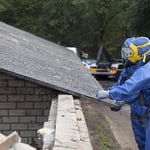
Missing Shingles
Exhaust Vent Issues
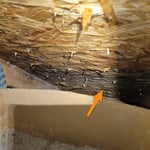
Damaged Sheathing
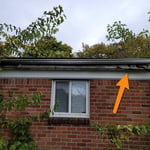
Damaged Facia
Response time50 mins
Response rate88%
Recommended by80%of homeowners
Showing 1-10 of 36
Radon Detection and Reduction questions, answered by experts

Ideally, no one will live in a house with elevated radon levels, as prolonged exposure increases the risk of serious health issues like lung cancer. However, homes with radon can be made safe through mitigation systems, such as active soil depressurization. Testing for radon regularly and addressing high levels helps ensure a safe living environment.

Radon enters your home when warm air begins to rise and exits through the roof, creating a vacuum that pulls cooler air from under the foundation. Part of that air is radon, which is an invisible, odorless gas that develops naturally when radioactive particles are deep within the ground. Those particles usually come from decaying matter in soil and rocks.

The lifespan of a radon mitigation system depends on the type of system and its maintenance. With proper care, a system can last for many decades. Passive systems tend to last longer as they have fewer components that require replacement. Active systems, which have more moving parts like fans, generally have a shorter lifespan. For instance, water filtration devices and active pressurization systems require more frequent maintenance. While the system as a whole is durable, the radon fan in an active system typically has a lifespan of 5 to 10 years and will need to be replaced. As long as the fan is working, the mitigation system should function correctly.

Radon is present almost everywhere but, like sunlight, the concentration levels and how often you are exposed to it have a large part to play in just how dangerous it is. There are levels of radon that are acceptable inside a house, but above a certain limit, radon becomes a serious radioactive hazard that is a known cause of lung cancer. In fact, radon exposure is the number two leading cause of lung cancer (after smoking).

No level of radon is technically safe, but since it is present everywhere, complete avoidance is impossible. The average radon level in homes across the United States is 1.3 picocuries per liter (pCi/L). The Environmental Protection Agency (EPA) recommends taking preventative measures if your home's radon levels are between 2 and 4 pCi/L or higher.

The Clinton Township, MI homeowners’ guide to radon detection and reduction services

From average costs to expert advice, get all the answers you need to get your job done.