





Top-rated excavation pros.

Get matched with top excavation pros in Chesterfield, MI

Enter your zip and get matched with up to 5 pros

Need a pro for your excavation project in Chesterfield, MI?

Select your specific project to find the pro for you.

TRUSTED BY CHESTERFIELD, MI HOMEOWNERS

  • Average homeowner rating star icon4.7
    Average homeowner rating
  • Verified reviews icon20
    Verified excavation services reviews

Find Excavation pros in Chesterfield

Avatar for New Image Lawn
New Image Lawn
5.0(
15
)
Landscape - Minor Grading or Resloping

Serving Chesterfield, MI and surrounding areas

Approved

In business since 2010

Free estimates

Small jobs welcome

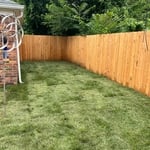
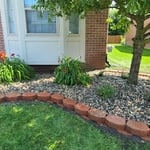
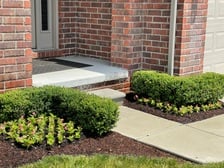
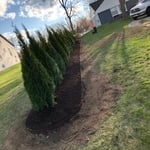
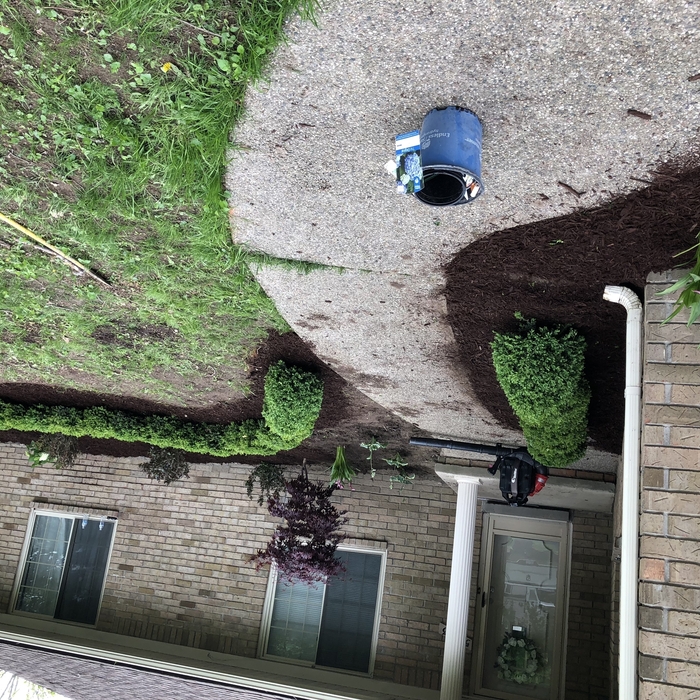
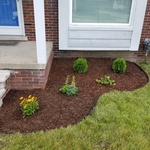
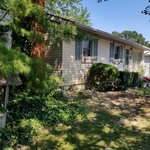
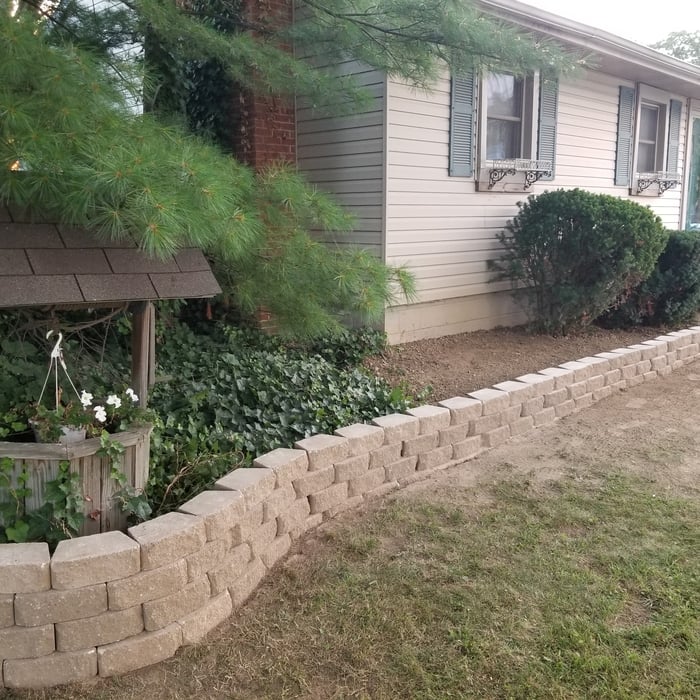
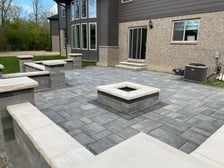
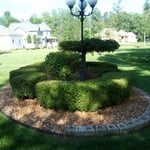
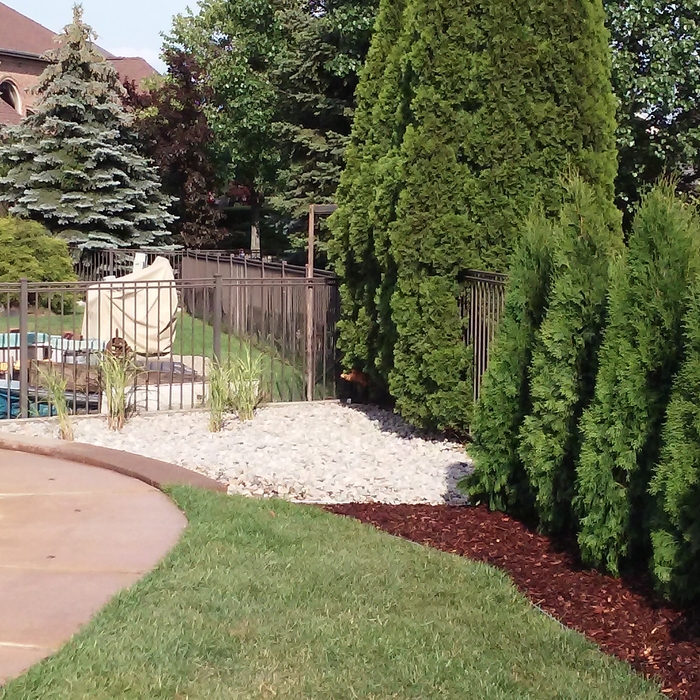
"They came out and ground stumps from removed arborvitae, placed new weed barrier and border, replaced lava rock and planted new bushes. Were fast, friendly, professional and I am already getting compliments on how nice it looks."
Previous Work
Previous Work
Previous Work
Previous Work
Previous Work

+33

Response time2 days
Recommended by92%of homeowners
Avatar for Monty Home Solutions L.L.C.
Monty Home Solutions L.L.C.
4.6(
26
)
Landscape - Minor Grading or Resloping

Serving Chesterfield, MI and surrounding areas

Approved

In business since 2021

Free estimates

Credit card accepted

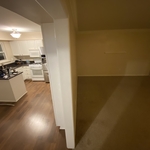
"I had my whole kitchen remodeled. They do awesome tiles and beautiful work. Installed a hood fan over stove. Great people!!! Decent prices. Easy to work with. 100% trust in their help. Extremely helpful."
Living Room Before
Kitchen & Living Room Before
Hallway Before
Bedroom Before
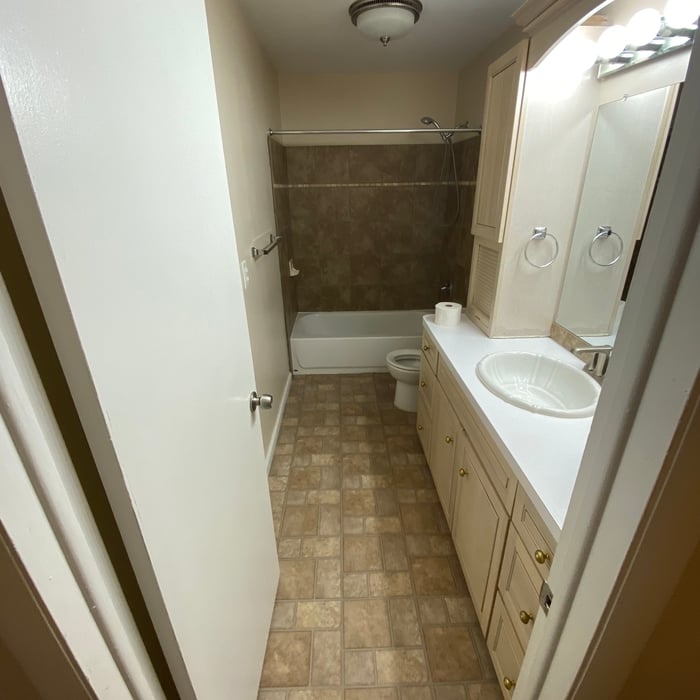
Guest Bathroom Before

+9

Response time3 days
Recommended by84%of homeowners
...
Showing 1-10 of 125
Excavating questions, answered by experts

The best type of soil to build on is a mixture of sand and clay, known as loam soil. Loam soil has the best combination of these soil types to build a foundation on. The clay particles help with water retention, so it won’t erode like sandy soil might, and the sandy particles help with drainage, so you won’t see unsafe soil expansion or have an increased risk of leaks from water sitting against your foundation.

The digging depth will depend on the size of the trencher you use. Even smaller units can dig up to 4 feet deep, which is plenty for a DIY job. However, much larger trenchers can reach a depth of 18 feet and are better used by a team of pro contractors, not a single DIYer. As with all home improvement projects, use the right tool for the job and proceed with caution.

It takes one hour to dig a 10-foot trench by hand. Use a trenching shovel with a sharp tip and a long head. Plan for more time if your soil is heavy or rocky. Consider renting a trencher if you’re digging a long or deep trench or if you have challenging soil or terrain. 

The rules and regulations regarding groundwater use vary between states. To find out if you can dig a well on your property, you’ll have to consult these regulations, address any compliance requirements, and get the appropriate permits. It’s also important to check that your intended location has the right geology and water table to support a well.
Sewer lines can be buried anywhere from 18 inches to 8 feet deep, with a common average depth between 18 and 30 inches. The exact depth depends on local factors like climate and soil type. In colder regions, pipes must be buried deeper (below the frost line) to prevent freezing, sometimes as deep as 8 feet. The digging depth can also impact the cost of sewer line replacement. To find the specific depth for your property, you can check the building plans for your system, which should be on file with your city or local sanitation department since permits are required for installation.

The Chesterfield, MI homeowners’ guide to excavation services

From average costs to expert advice, get all the answers you need to get your job done.