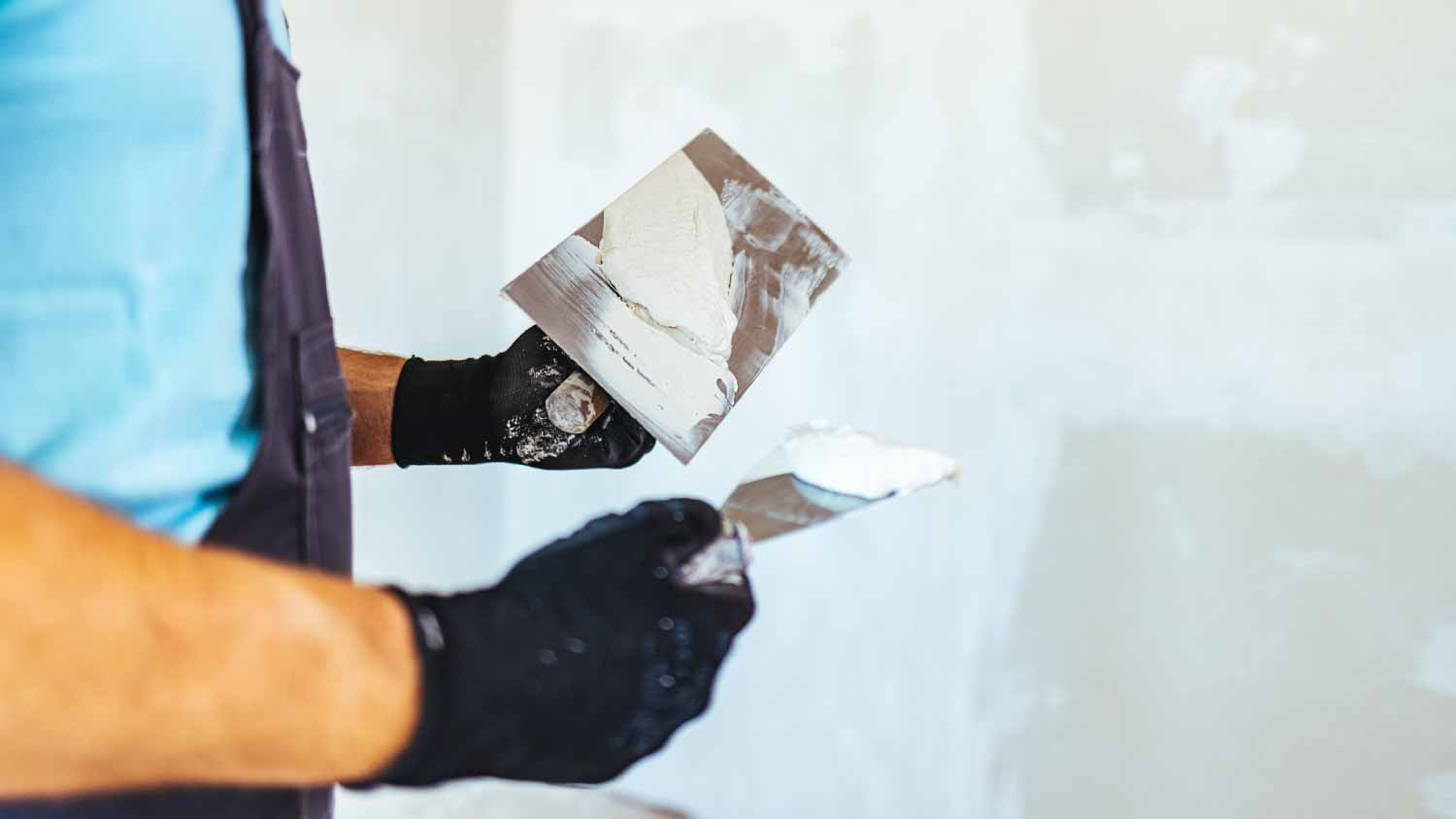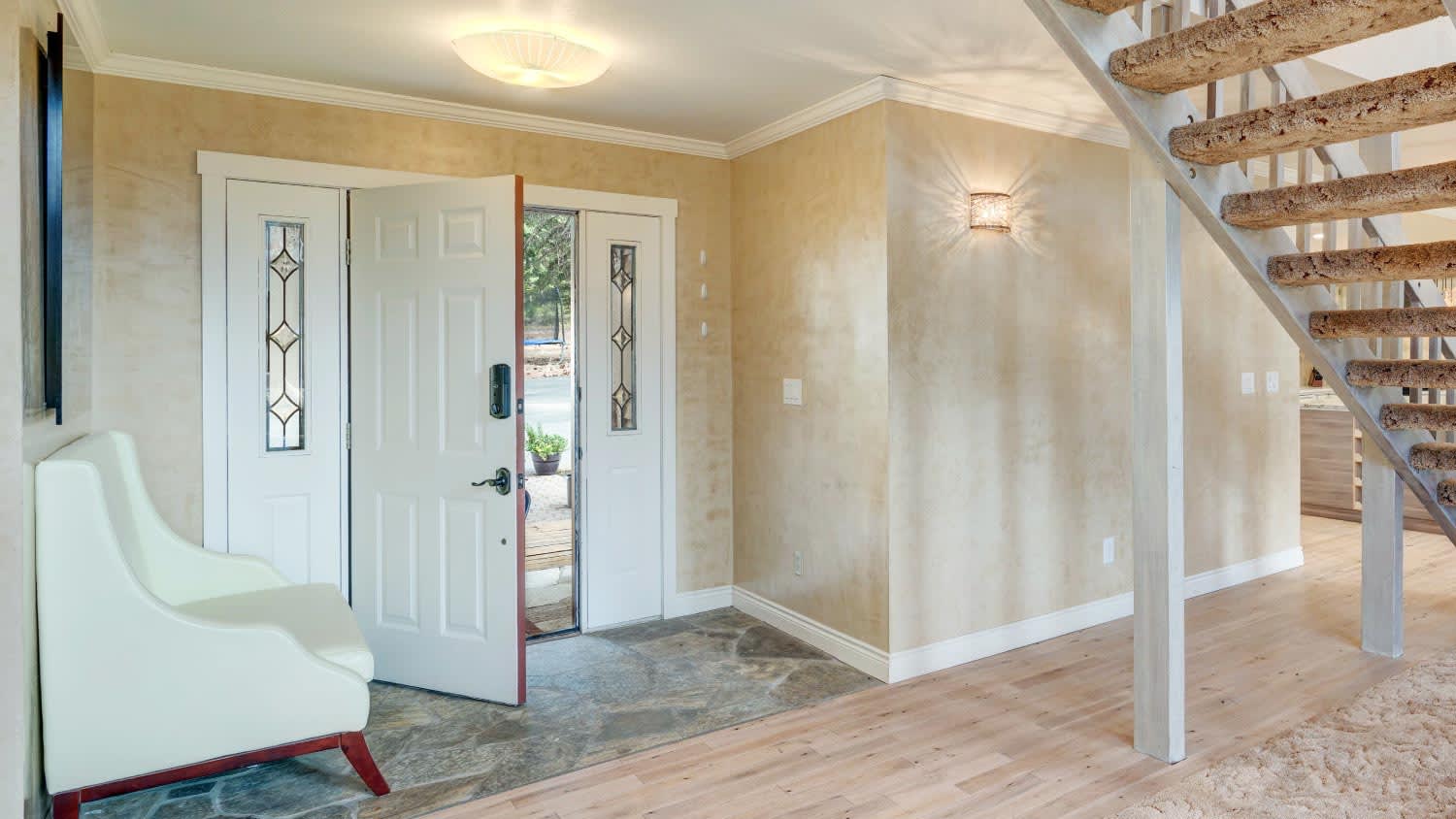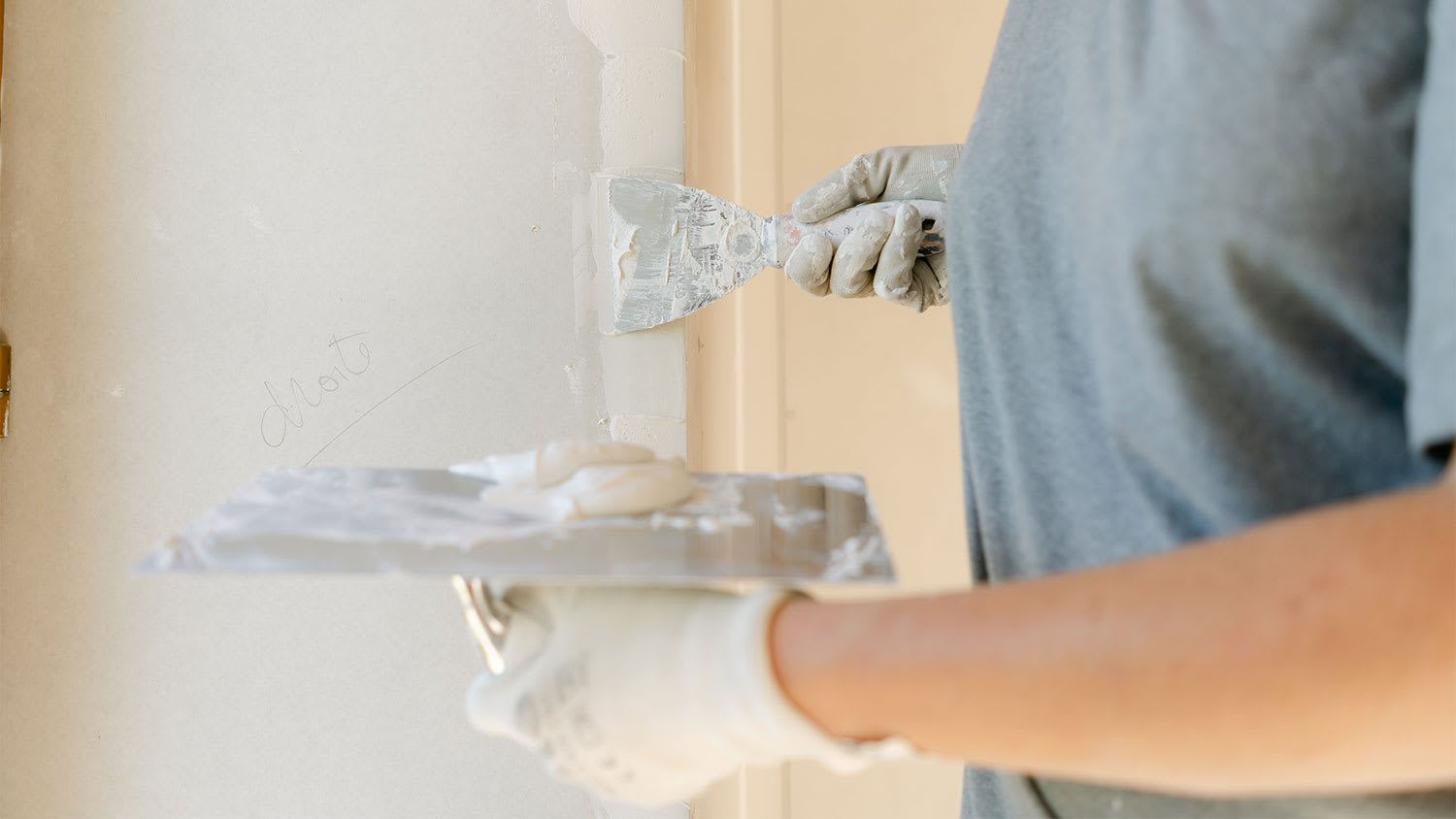




Top-rated plaster repair specialists.

Get matched with top plaster repair specialists in Cascade, MI

Enter your zip and get matched with up to 5 pros

Need a pro for your plaster repair project in Cascade, MI?

Select your specific project to find the pro for you.

TRUSTED BY CASCADE, MI HOMEOWNERS

  • Average homeowner rating star icon4.6
    Average homeowner rating
  • Verified reviews icon118
    Verified plaster repairs reviews

Find Plaster repair specialists in Cascade

Avatar for MXT Drywall
MXT Drywall
5.0(
3
)
Plaster - RepairPlaster - Repair - For Business

Serving Cascade, MI and surrounding areas

Approved

In business since 2019

Free estimates

Customers say: Quick response

"Martin completed our plastering project with excellent results. His workmanship is outstanding. He was a very hard worker and he was professional, diligent and willing to engage and answer questions throughout the project. I highly recommend Martin and MXT Drywall."
Response time2 days
4 neighbors recently requested a quote
Recommended by100%of homeowners
...
Showing 1-10 of 80
Plaster Repair questions, answered by experts

Yes, you can speed up the time it takes for plaster to dry, but it's important to do so carefully to avoid issues like cracking or crumbling. Proper ventilation is key; open a window or use a fan to circulate air in the room. Heat can also accelerate drying, but be cautious, as too much heat can cause the plaster to dry too quickly and crack. Check the plaster's packaging for the recommended drying temperature and set the room's thermostat accordingly. While managing humidity is important, avoid using a dehumidifier, which can remove moisture too aggressively and result in crumbly plaster.

You’ll want to inspect your plaster walls for signs of damage before painting. If you notice soft spots, deep cracks, bubbling, or areas where the plaster is crumbling or pulling away from the wall, it likely needs repair. While small hairline cracks are common and likely cosmetic, you should address larger issues before painting to ensure a quality, smooth finish.

Although they have similar applications, spackle and joint compound are not the same. Their primary differences lie in their composition, consistency, and ideal use cases.

Spackle is composed of gypsum and binding agents, making it thicker than joint compound. It dries quickly and is easy to sand, which makes it ideal for small wall repair projects like filling nail holes or patching minor damage.

Joint compound, also known as drywall mud, consists of limestone and gypsum. It is primarily used for large-scale projects, such as taping and finishing the seams on newly installed drywall. It tends to shrink more than spackle and can be more difficult to spread.

While both products can be used to fill small depressions and cracks, spackle cannot replace joint compound for taping and mudding new drywall. Conversely, you can often use joint compound for small patching jobs typically done with spackle.

It may take a bit of patience and trial and error to match your particular drywall texture type when making repairs. For orange peel or knockdown finishes, use a spray texture product or a thinned joint compound applied with a roller or sponge. Practice on scrap drywall or cardboard first. Once dry, lightly sand and prime before painting.

While it is possible to repair minor plaster cracks or holes yourself, it is generally not recommended for larger jobs or if you want a professional result. Plaster repair can be difficult in practice; proper wall preparation and achieving a smooth, seamless finish that blends with the existing wall requires experience, especially on textured surfaces. Hiring a professional ensures the repair will be durable and last longer, potentially saving you money over time. A pro can also determine if the cracks are from normal expansion or a more serious underlying issue.

The Cascade, MI homeowners’ guide to plaster repairs

From average costs to expert advice, get all the answers you need to get your job done.