


Top-rated radon detection and reduction specialists.

Get matched with top radon detection and reduction specialists in Belmont, MI

Enter your zip and get matched with up to 5 pros

Need a pro for your radon detection and reduction project in Belmont, MI?

Select your specific project to find the pro for you.

Find Radon detection and reduction specialists in Belmont

Avatar for SM Radon Pro, Inc
SM Radon Pro, Inc
5.0(
6
)
Radon Gas - AbatementRadon Gas - Testing

Serving Belmont, MI and surrounding areas

Approved

In business since 2017

Free estimates

Emergency services offered

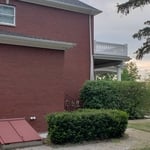
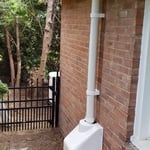
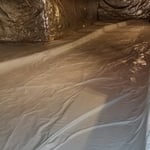
With years of experience in HVAC, plumbing, electrical, and general contracting, we entered the radon industry when we saw a lack of quality. We design every system specific to your home with quality and longevity in mind. Many competitors have a focus on money and speed, we focus on quality and efficiency.

Additional Photos
Additional Photos
Additional Photos
Additional Photos
Additional Photos

+5

Response time1 day
3 neighbors recently requested a quote
Avatar for SWAT Environmental, Inc.
SWAT Environmental, Inc.
4.3(
251
)
Radon Gas - Abatement

Serving Belmont, MI and surrounding areas

In business since 1988

Free estimates

Credit card accepted

"Radon gas in my house’s lower level was 3.6 picocuries per liter: below 4.0 pCi/L, at which EPA urges remediation, but high enough that it’s recommended. Beginning a week after SWAT installed gas elimination system (for $850), radon level dropped to 0.3 pCi/L: about the same amount of radon as is found in fresh air. Nuff said."
Recommended by92%of homeowners
Double Check Inspect
3.8(
26
)
Radon Gas - Testing

Serving Belmont, MI and surrounding areas

In business since 2000

Free estimates

Credit card accepted

"I hired Double Check to do an inspection for a personal decision of "Repair or Replace". Justin came out, performed the inspection, took photographs and answered all my questions. He found some issues like a few shingles missing, popped nailheads and the like. We discussed the Repair or Replace decision. Very knowledgeable and easy to deal with. Highly recommended."
Response time3 hrs
Recommended by80%of homeowners
Avatar for Over & Underwood Home Inspection
Over & Underwood Home Inspection
5.0(
4
)
Radon Gas - Testing

Serving Belmont, MI and surrounding areas

In business since 2011

Small jobs welcome

Credit card accepted

"I bought my home over six years ago, and James did my home inspection. I have never had such a through and complete report. My realtor was very impressed, also. James is very trustworthy and has great customer service. I would not hesitate to recommend Over and Underwood Home Inspection to anyone needing an inspection."
Response time2 hrs
Recommended by100%of homeowners
Showing 1-10 of 17
Radon Detection and Reduction questions, answered by experts

The lifespan of a radon mitigation system depends on the type of system and its maintenance. With proper care, a system can last for many decades. Passive systems tend to last longer as they have fewer components that require replacement. Active systems, which have more moving parts like fans, generally have a shorter lifespan. For instance, water filtration devices and active pressurization systems require more frequent maintenance. While the system as a whole is durable, the radon fan in an active system typically has a lifespan of 5 to 10 years and will need to be replaced. As long as the fan is working, the mitigation system should function correctly.

Testing every 2-5 years or upon adjusting occupancy or structural changes maintains safe environments.

Your radon mitigation system may be loud because it’s time to replace it. Any sounds are usually from the inline fan that helps create the vacuum and resulting airflow. If you hear a new, loud mechanical or humming noise from your radon fan, it might be time to replace it. Most fans used in radon mitigation systems last up to 10 years, but may need to be replaced sooner.

Installation typically takes 1-2 days, depending on the system and property layout.

The soil beneath your house is most likely what’s causing an increased level of radon. This is because soil holds radioactivity for a long time and it’s also what most buildings are built on. Another common source of radon is water from a source that hasn’t been through periodic radon tests, such as well water. Over time, the radon from the soil can inhabit other parts of your house like the foundation or plumbing.

The Belmont, MI homeowners’ guide to radon detection and reduction services

From average costs to expert advice, get all the answers you need to get your job done.